

As a dedicated supplier of kindergarten tables, I often encounter inquiries from educators, parents, and facility managers regarding the weight capacity of these essential pieces of furniture. Understanding the weight capacity of a kindergarten table is crucial for ensuring the safety and durability of the product, as well as for creating a comfortable and functional learning environment for young children. In this blog post, I will delve into the factors that influence the weight capacity of kindergarten tables, provide guidelines for choosing the right table for your needs, and showcase some of our high-quality products that are designed to meet the unique requirements of early childhood settings.
Factors Affecting the Weight Capacity of Kindergarten Tables
The weight capacity of a kindergarten table is determined by several key factors, including the materials used in its construction, the design and structure of the table, and the intended use of the table. Let's take a closer look at each of these factors:
Materials
The materials used to build a kindergarten table play a significant role in determining its weight capacity. Tables made from high-quality, durable materials such as solid wood, metal, or heavy-duty plastic are generally able to support more weight than tables made from lighter or less sturdy materials. For example, a solid wood table with a thick top and strong legs will typically have a higher weight capacity than a table made from particleboard or thin plastic.
Design and Structure
The design and structure of a kindergarten table also impact its weight capacity. Tables with a wider base and more support legs are generally more stable and able to support more weight than tables with a narrow base or fewer legs. Additionally, tables with reinforced corners and edges are less likely to break or collapse under heavy loads. For instance, a table with a reinforced steel frame and four solid legs will be more capable of handling the weight of multiple children and their belongings than a table with a flimsy plastic frame and only two legs.
Intended Use
The intended use of a kindergarten table is another important consideration when determining its weight capacity. Tables that are used for activities such as art, crafts, or science experiments may need to support heavier items such as paint sets, clay, or science equipment. On the other hand, tables that are used primarily for eating or reading may not need to support as much weight. It's important to choose a table with a weight capacity that is appropriate for the specific activities that will take place on it.
Guidelines for Choosing the Right Kindergarten Table
When choosing a kindergarten table, it's important to consider the weight capacity in relation to the number of children who will be using the table and the types of activities that will take place on it. Here are some guidelines to help you make the right choice:
Consider the Number of Children
Determine the maximum number of children who will be using the table at one time. As a general rule, each child should have at least 18 to 24 inches of table space. Multiply the number of children by the average weight of a child in the age group you are serving (e.g., 30 to 40 pounds for preschoolers) to estimate the total weight that the table will need to support.
Think About the Activities
Consider the types of activities that will take place on the table. If the table will be used for activities that involve heavy materials or equipment, choose a table with a higher weight capacity. For example, if you plan to use the table for art projects that involve paint, clay, or large pieces of paper, you may want to choose a table with a weight capacity of at least 200 pounds.
Check the Manufacturer's Specifications
Always check the manufacturer's specifications for the weight capacity of the table. This information is usually provided in the product description or on the product label. Make sure that the weight capacity of the table meets or exceeds your requirements.
Test the Table
If possible, test the table before purchasing it. Sit on the table or place some heavy objects on it to see how it responds. A stable table should not wobble or tip over easily. If the table feels flimsy or unstable, it may not be able to support the weight of multiple children and their belongings.
Our High-Quality Kindergarten Tables
At our company, we offer a wide range of kindergarten tables that are designed to meet the diverse needs of early childhood settings. Our tables are made from high-quality materials and are built to last. Here are some of our popular products:
Plastic Children Square Table
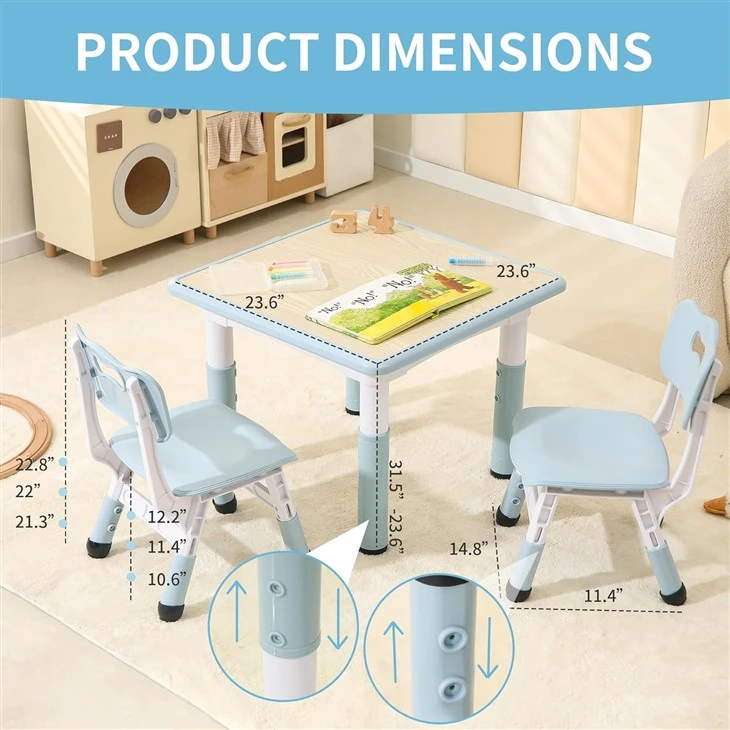
Our Plastic Children Square Table is a lightweight and durable option that is perfect for small groups of children. Made from heavy-duty plastic, this table is easy to clean and maintain. It has a weight capacity of up to 150 pounds, making it suitable for a variety of activities such as art, crafts, and reading.
Toddler Table and Chair Set
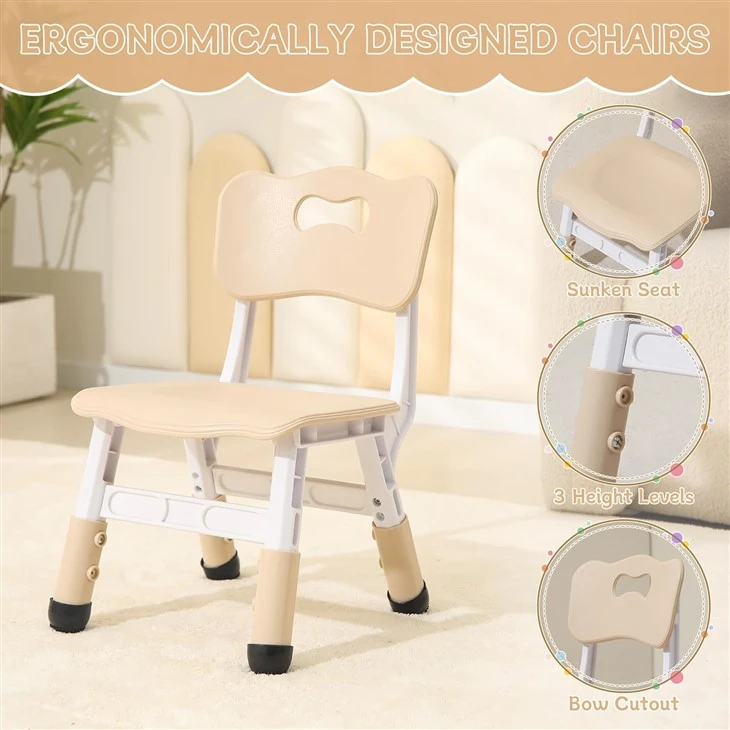
Our Toddler Table and Chair Set is specifically designed for young children. The table is made from solid wood and has a smooth, rounded edge to prevent injuries. It has a weight capacity of up to 100 pounds, which is sufficient for toddlers and their toys. The set includes four chairs that are also made from solid wood and are comfortable for little ones to sit on.
Preschool Tables and Chairs for Kids
Our Preschool Tables and Chairs for Kids are a great choice for larger groups of children. The tables are made from a combination of wood and metal, which provides a strong and stable structure. They have a weight capacity of up to 250 pounds, making them suitable for a wide range of activities such as science experiments, group projects, and meals. The set includes six chairs that are adjustable in height to accommodate growing children.
Conclusion
In conclusion, the weight capacity of a kindergarten table is an important consideration when choosing the right table for your early childhood setting. By understanding the factors that influence the weight capacity and following the guidelines provided in this blog post, you can make an informed decision and choose a table that is safe, durable, and suitable for the needs of your children. At our company, we are committed to providing high-quality kindergarten tables that meet the highest standards of safety and performance. If you have any questions or would like to discuss your specific requirements, please don't hesitate to contact us. We look forward to working with you to create a comfortable and functional learning environment for your children.
References
- American Society for Testing and Materials (ASTM). (2023). Standard Consumer Safety Specification for Toddler High Chairs. ASTM F404-23.
- Consumer Product Safety Commission (CPSC). (2023). Safety Standards for Children's Furniture. Retrieved from https://www.cpsc.gov/
- National Association for the Education of Young Children (NAEYC). (2023). Guidelines for Healthy and Safe Environments in Early Childhood Programs. Retrieved from https://www.naeyc.org/