

Testing the quality of a kids scooter is a crucial process that ensures the safety and satisfaction of young riders. As a kids scooter supplier, I understand the importance of delivering high - quality products to the market. In this blog, I will share some scientific and practical methods for testing the quality of kids scooters.
Structural Integrity Testing
One of the primary aspects of testing a kids scooter is to evaluate its structural integrity. The frame of the scooter is the backbone that supports the weight of the child and endures various forces during use.
Material Quality
The materials used in the construction of the scooter frame play a significant role. For instance, if the frame is made of high - grade aluminum alloy, it should be inspected for proper alloy composition. A simple way to test the material is through a hardness test. Using a hardness tester, we can measure the resistance of the material to indentation. A scooter frame with the right hardness will be strong enough to withstand impacts without being too brittle.
For plastic parts, such as the deck or handlebar grips, we need to check for any signs of brittleness or low - quality molding. We can perform a flex test by gently bending the plastic part within a reasonable range. If it cracks or shows excessive deformation, it indicates poor material quality. The Scooter Board for Kids in our product line is carefully crafted with high - quality plastics and metals to ensure its structural integrity.
Welds and Joints
In scooters with welded components, the quality of the welds is of utmost importance. A visual inspection can reveal any obvious defects such as cracks, porosity, or unevenness in the welds. Additionally, a non - destructive testing method like ultrasonic testing can be used to detect internal flaws in the welds.
For joints, such as the connection between the handlebar and the frame or the folding mechanism, we need to test their stability. Apply a moderate amount of force to the joints while simulating normal use. If there is excessive play or looseness, it may pose a safety risk.
Wheel and Bearing Testing
The wheels and bearings of a kids scooter are essential for smooth and safe riding.
Wheel Durability
The wheels should be able to withstand the wear and tear of regular use. We can conduct a wear test by running the scooter on a rough surface for a certain period. Measure the reduction in the thickness of the wheel tread. If the wear is excessive, it means the wheels are not durable enough.
The hardness of the wheel material also affects its performance. Softer wheels provide better shock absorption but may wear out faster, while harder wheels are more durable but may offer less comfort. We need to find the right balance based on the target age group and usage scenarios. The Kids Sitting Scooter Board in our collection is equipped with high - quality wheels that are designed to offer a good combination of durability and comfort.
Bearing Performance
The bearings in the wheels are responsible for smooth rotation. A simple way to test the bearings is to spin the wheel by hand. If the wheel stops spinning quickly or makes a grinding noise, it indicates a problem with the bearings. We can also measure the rotational resistance of the bearings using a specialized tool. Low rotational resistance means less energy is wasted during riding, providing a better riding experience for the kids.
Braking System Testing
The braking system is a critical safety feature of a kids scooter.
Braking Effectiveness
To test the braking effectiveness, we can conduct a speed - based braking test. Set the scooter at a certain speed (simulating normal riding speed for kids) and then apply the brakes. Measure the distance it takes for the scooter to come to a complete stop. A shorter braking distance indicates better braking performance.
We also need to test the consistency of the braking system. Repeat the braking test multiple times to ensure that the brakes work reliably every time. For scooters with different types of brakes, such as foot brakes or hand brakes, each type should be tested separately. The Plastic Floor Scooter Board has a well - designed braking system that provides effective and consistent braking performance.
Brake Durability
The brakes should be able to withstand repeated use without significant wear. We can perform a long - term braking test by applying the brakes a large number of times. Check for any signs of wear on the brake pads or other braking components. If the brakes start to lose their effectiveness after a relatively small number of uses, it means they lack durability.
Safety Feature Testing
In addition to the above - mentioned aspects, safety features are also an important part of quality testing.
Reflectors and Lights
If the scooter is equipped with reflectors or lights, we need to test their functionality. For reflectors, check if they are properly attached and can reflect light effectively. For lights, test their brightness, battery life, and on/off functionality. These features are crucial for increasing the visibility of the scooter, especially in low - light conditions.
Anti - Slip Surface
The deck of the scooter should have an anti - slip surface to prevent the child from slipping off during riding. We can perform a friction test by placing a weighted object on the deck and gradually tilting it until the object starts to slide. A higher angle of tilt indicates better anti - slip performance.
Ergonomic Testing
A kids scooter should be ergonomically designed to ensure the comfort and proper body posture of the child.
Handlebar Height and Grip
The handlebar height should be adjustable to accommodate different heights of kids. Test the adjustability mechanism to ensure it is easy to operate and can securely hold the handlebar at the desired height.
The grip of the handlebar should be comfortable and provide a good grip. Check for any sharp edges or rough surfaces on the grip that could cause discomfort or injury to the child's hands.
Deck Size and Shape
The deck size should be appropriate for the child's feet. It should be wide enough to allow the child to stand comfortably and have enough space for movement. The shape of the deck should also be designed to support the natural stance of the child.
Long - Term Performance Testing
To fully assess the quality of a kids scooter, long - term performance testing is necessary. This involves having a group of kids ride the scooter over an extended period, usually several weeks or months.
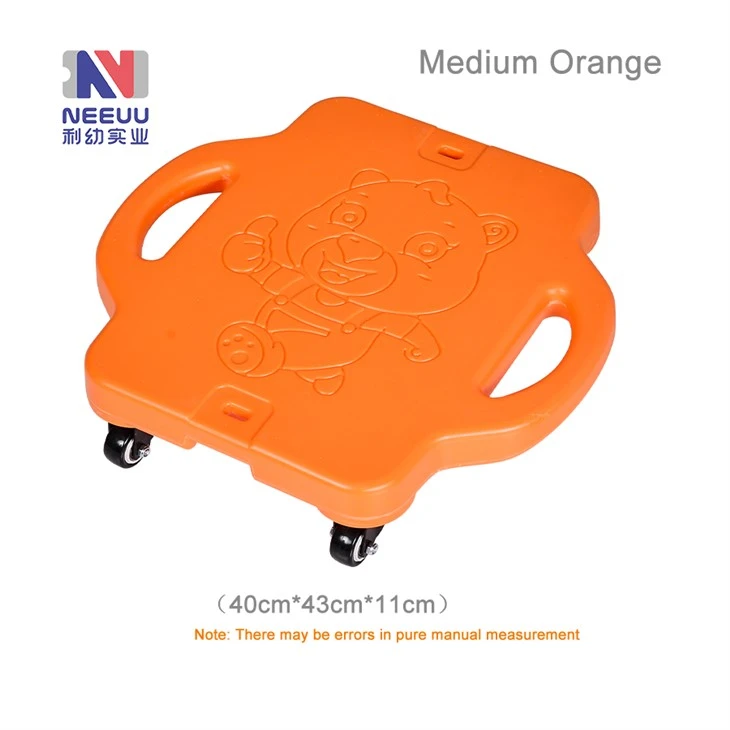

During this period, collect feedback from the kids and their parents. Ask about any issues they have encountered, such as parts breaking, discomfort during riding, or problems with the functionality of the scooter. This real - world testing can provide valuable insights into the long - term durability and performance of the scooter.
Conclusion
Testing the quality of a kids scooter is a comprehensive process that involves multiple aspects, from structural integrity to safety features and ergonomics. As a kids scooter supplier, we are committed to ensuring that every scooter we produce meets the highest quality standards. By using scientific testing methods and real - world feedback, we can deliver safe, durable, and comfortable scooters to our customers.
If you are interested in our kids scooters or have any questions about our products, we welcome you to contact us for procurement and further discussions. We look forward to working with you to provide the best scooters for kids.
References
- ASTM F963 - 17, Standard Consumer Safety Specification for Toy Safety.
- EN 71 - 1:2014+A1:2018, Safety of toys - Part 1: Mechanical and physical properties.