

When it comes to enhancing balance, coordination, and core strength, both wobble boards and balance boards are popular tools. As a balance board supplier, I often encounter customers who are confused about the differences between these two types of boards. In this blog post, I'll delve into the characteristics, functions, and suitable users of wobble boards and balance boards to help you make an informed decision.
Physical Characteristics
Wobble Boards
Wobble boards typically have a flat platform on top and a rounded or spherical base. This design allows the board to tilt and rock in multiple directions when pressure is applied. The range of motion is relatively free - form, and the instability is more pronounced. For example, a common wobble board might have a circular platform with a hemispherical bottom. The size of wobble boards can vary, but they are generally more compact, making them easy to store and transport. Some wobble boards come with adjustable features, such as adding or removing weights to change the level of difficulty.
Balance Boards
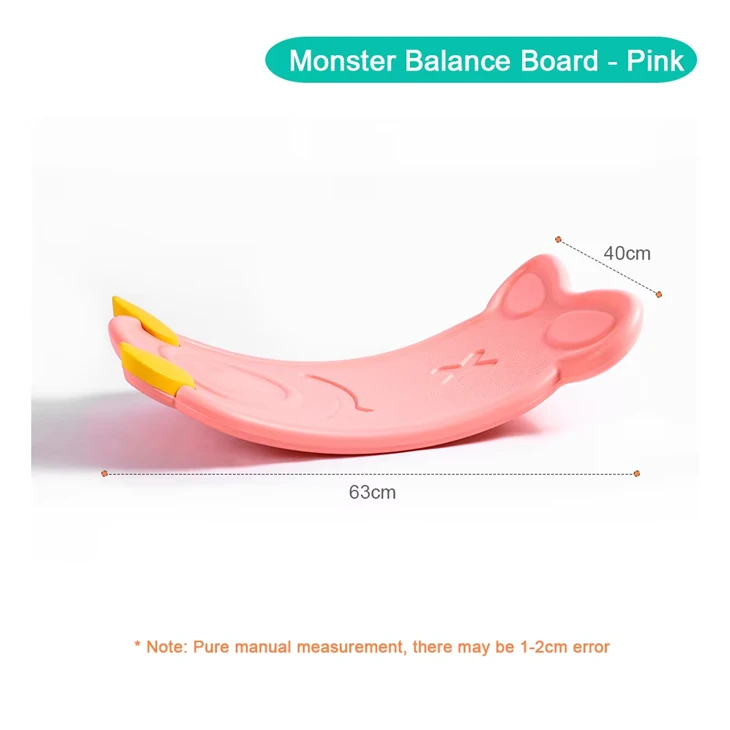
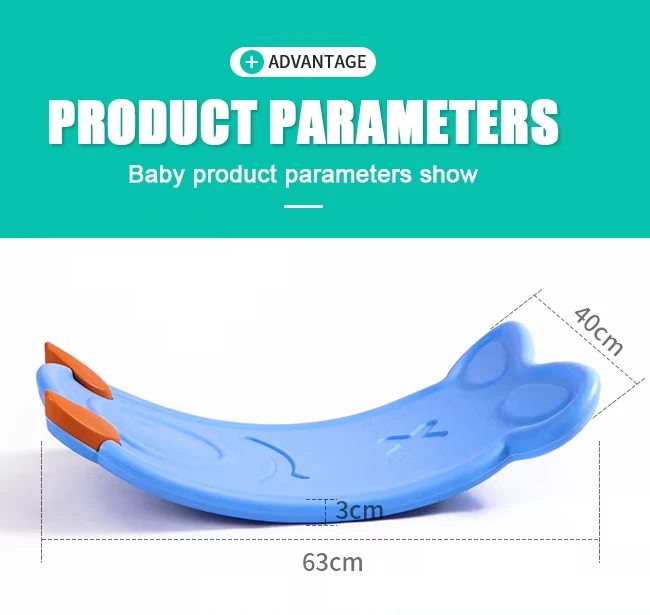
Balance boards, on the other hand, can have a variety of shapes. Some are long and narrow, resembling a small surfboard, while others are more square - shaped. They often have a more stable base compared to wobble boards. Some balance boards are designed with a fixed pivot point, which allows for controlled movement in specific directions. For instance, a classic balance board might have a central fulcrum that enables it to rock back and forth or side to side. These boards can be larger in size, especially those designed for more advanced users or for specific activities like balance training for athletes.
Movement and Function
Wobble Boards
The movement on a wobble board is less predictable. When you step on a wobble board, it starts to tilt and roll in different directions simultaneously, forcing your body to constantly adjust to maintain balance. This kind of movement engages a large number of small muscle groups throughout your body, including the ankles, knees, hips, and core. It is excellent for improving proprioception, which is your body's ability to sense its position in space. Wobble boards are also great for rehabilitation purposes. For example, if someone has suffered an ankle sprain, using a wobble board can help strengthen the ankle muscles and improve stability during the recovery process.
Balance Boards
Balance boards offer more structured movement. Depending on their design, they can be used for different types of balance training. A balance board with a fixed pivot point is ideal for training specific movement patterns, such as forward - backward or lateral balance. This type of training is beneficial for athletes in sports like skiing, snowboarding, or skateboarding, as it helps them develop the balance skills required for those activities. Balance boards can also be used for general fitness and core strengthening. By standing on a balance board and performing simple exercises like squats or lunges, you can increase the intensity of the workout and engage your core muscles more effectively.
Suitable Users
Wobble Boards
Wobble boards are suitable for a wide range of users, from children to adults. For kids, Wobble Board for Kids can be a fun and engaging way to develop their balance and coordination skills. It can also be used as a sensory toy to stimulate their senses. For adults, wobble boards are a great addition to a home workout routine. They are easy to use and can provide a challenging workout even in a small space. People who are recovering from injuries or looking to improve their overall balance and stability can also benefit from using wobble boards.
Balance Boards
Balance boards are often favored by athletes and fitness enthusiasts. Athletes can use balance boards to simulate the movements required in their sports and improve their performance. For example, snowboarders can use a balance board to practice their turns and balance on a flat surface. Fitness enthusiasts can incorporate balance boards into their strength training routines to add an extra challenge. Versatile Rocking Balance Boards are a good option for those who want a board that can be used for multiple types of balance training. Additionally, balance boards can be used by people with more advanced balance skills who are looking for a greater challenge than what a wobble board can provide.
Our Product Offerings
As a balance board supplier, we offer a variety of balance boards to meet different needs. Our Curvy Rocker Board is a unique design that combines the features of both wobble boards and balance boards. It has a curvy shape that allows for a wide range of movement, providing a challenging and dynamic balance training experience. Whether you are a beginner looking to improve your basic balance skills or an advanced user seeking a more intense workout, our curvy rocker board is a great choice.
We also offer other types of balance boards, including traditional long - shaped balance boards and square - shaped ones. Our boards are made from high - quality materials to ensure durability and safety. We understand that different users have different requirements, so we strive to provide products that are suitable for everyone.
Conclusion
In summary, while both wobble boards and balance boards are used for balance training, they have distinct differences in terms of physical characteristics, movement, and suitable users. Wobble boards offer a more unpredictable and free - form movement, making them suitable for a wide range of users, especially for beginners and those in rehabilitation. Balance boards, on the other hand, provide more structured movement and are often preferred by athletes and advanced users.
If you are interested in purchasing balance boards for personal use, for a fitness center, or for a rehabilitation facility, we would love to hear from you. We can provide you with detailed product information, pricing, and shipping options. Please feel free to contact us to start the procurement discussion and find the perfect balance board for your needs.
References
- "Balance Training: A Review of the Literature" by Smith, J. (2018)
- "The Effects of Wobble Board Training on Balance and Proprioception" by Johnson, R. (2019)
- "Balance Boards in Sports Training: A Practical Guide" by Brown, S. (2020)