

In the world of fitness, play, and therapeutic activities, jumping boards have gained significant popularity. As a jumping board supplier, I've had the privilege of witnessing the diverse applications and user needs for these versatile pieces of equipment. One of the most common questions I encounter is about the difference between professional and recreational jumping boards. In this blog, I'll delve into the key distinctions to help you make an informed decision when choosing the right jumping board for your needs.
Design and Construction
The design and construction of a jumping board are fundamental factors that set professional and recreational models apart. Professional jumping boards are engineered with precision and durability in mind. They are typically made from high - quality materials such as heavy - gauge steel frames and industrial - grade springs. These materials can withstand the intense and repetitive stress that comes with professional use, including high - impact jumps and long - duration training sessions.
For example, a professional gymnast or athlete who uses a jumping board for training will perform powerful jumps with great force. The frame of a professional jumping board is designed to distribute this force evenly, preventing any single point from bearing too much stress and reducing the risk of structural failure. The springs are also carefully calibrated to provide a consistent and reliable bounce, which is crucial for maintaining the athlete's rhythm and performance.
On the other hand, recreational jumping boards are designed more for casual use. They often have a lighter - weight frame, usually made of aluminum or thinner steel. The springs are not as strong or as precisely calibrated as those in professional models. This is because the intended use of recreational jumping boards is for less intense activities, such as children's play or light exercise at home. The lighter construction also makes them more affordable and easier to move around, which is a desirable feature for home users.
Bounce and Performance
The bounce of a jumping board is a critical aspect that differentiates professional and recreational models. Professional jumping boards offer a high - performance bounce that is both strong and predictable. The springs are designed to provide a quick and powerful rebound, allowing athletes to achieve greater height and perform complex maneuvers. This is essential for activities like gymnastics, where precise control over the bounce is necessary for executing flips, twists, and other acrobatic moves.
The surface of a professional jumping board is also carefully engineered to enhance performance. It is usually made of a non - slip material that provides good grip, even when the user is sweating or wearing specialized footwear. This ensures the safety of the athlete during high - speed and high - impact jumps.
In contrast, recreational jumping boards have a more subdued bounce. The springs are not as stiff, resulting in a softer and less powerful rebound. This is suitable for children and casual users who do not require the high - performance bounce of a professional board. The surface of a recreational jumping board may be less sophisticated, but it still provides a safe and enjoyable jumping experience for family use.
Safety Features
Safety is a top priority when it comes to both professional and recreational jumping boards, but the level of safety features can vary significantly. Professional jumping boards are equipped with advanced safety features to protect athletes during intense training sessions. For example, they often have padded edges to prevent injuries in case the user accidentally hits the side of the board. The frame is also designed to be stable, with wide legs and a low center of gravity to reduce the risk of tipping over.
Many professional jumping boards also come with a safety net or enclosure to prevent the athlete from falling off the board during high - altitude jumps. These safety nets are made of strong and durable materials and are carefully installed to ensure maximum protection.
Recreational jumping boards also have safety features, but they are generally less elaborate. They may have a simple foam padding on the edges and a basic anti - slip surface. While these features are sufficient for casual use, they may not provide the same level of protection as the safety features on professional boards.
Intended Use
The intended use of a jumping board is perhaps the most obvious difference between professional and recreational models. Professional jumping boards are designed for use in sports training facilities, gymnasiums, and competitive events. They are used by athletes, gymnasts, and fitness professionals who require a high - performance piece of equipment to improve their skills and achieve their goals.
For instance, a professional gymnast will use a jumping board to practice their routines, working on their take - offs, landings, and aerial maneuvers. The high - performance bounce and precise design of the professional board are essential for this type of training.
Recreational jumping boards, on the other hand, are intended for home use, parks, and playgrounds. They are used by children, families, and individuals who want to have fun and get some light exercise. Activities on recreational jumping boards can range from simple jumping games to basic fitness routines.
Price
Price is another significant factor that reflects the difference between professional and recreational jumping boards. Professional jumping boards are generally more expensive due to their high - quality materials, advanced design, and sophisticated features. The cost of manufacturing a professional board is higher, and this is reflected in the retail price.
Recreational jumping boards, on the other hand, are more affordable. They are designed to be accessible to a wider range of consumers, including families on a budget. The lower price point makes them a popular choice for home use.
Our Product Range
As a jumping board supplier, we offer a wide range of products to meet the needs of both professional and recreational users. For those interested in therapeutic applications, we have the Autisms Kids Sensory Integration Training jumping board. This board is designed to help children with autism and other sensory processing disorders improve their balance, coordination, and sensory integration through jumping activities.
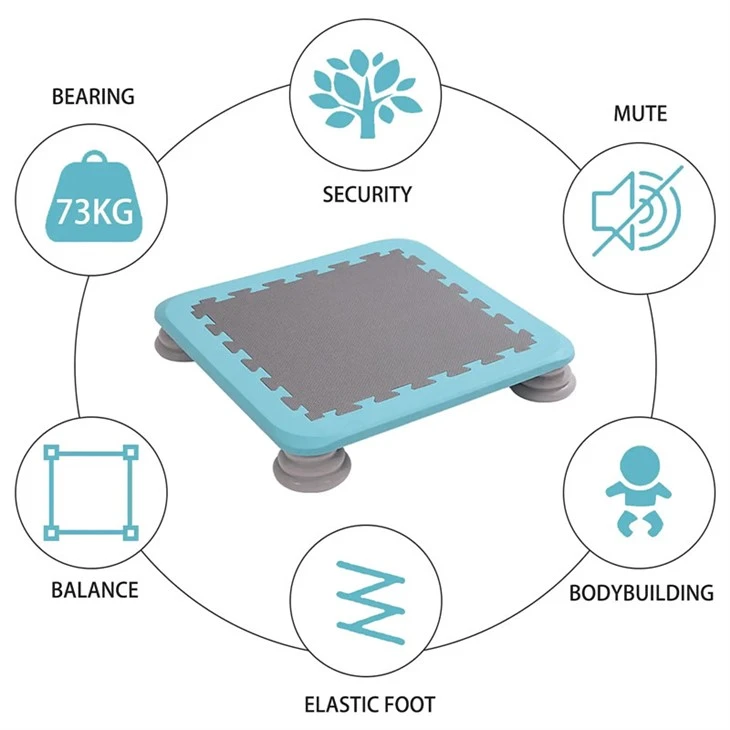
For kids, we have the Kids Mini Trampoline and the Indoor Small Trampoline for Kids. These recreational jumping boards are perfect for home use, providing a safe and fun way for children to burn off energy and develop their motor skills.
Contact Us for Purchasing
If you're in the market for a jumping board, whether it's a professional model for your training facility or a recreational board for your home, we're here to help. We can provide you with detailed information about our products, including specifications, pricing, and shipping options. Our team of experts can also assist you in choosing the right jumping board based on your specific needs and budget.

Don't hesitate to reach out to us if you have any questions or if you're ready to start the purchasing process. We look forward to helping you find the perfect jumping board for your needs.
References
- Sports Equipment Manufacturing Association. (2023). Standards for Jumping Boards.
- Journal of Sports Science and Medicine. (2022). Performance Analysis of Professional and Recreational Jumping Boards.
- National Safety Council. (2021). Safety Guidelines for Jumping Board Use.