

Do cloth sensory toys come with different colors?
As a supplier of cloth sensory toys, I often get asked about the color options available in our product range. The short answer is yes, cloth sensory toys do come with a wide variety of colors, and there are several reasons why this is both important and beneficial.
Color is a fundamental aspect of our perception and interaction with the world. From a very young age, children are attracted to bright and vivid colors. This is because colors stimulate the visual senses and can have a profound impact on a child's development. In the context of cloth sensory toys, different colors can serve multiple purposes.
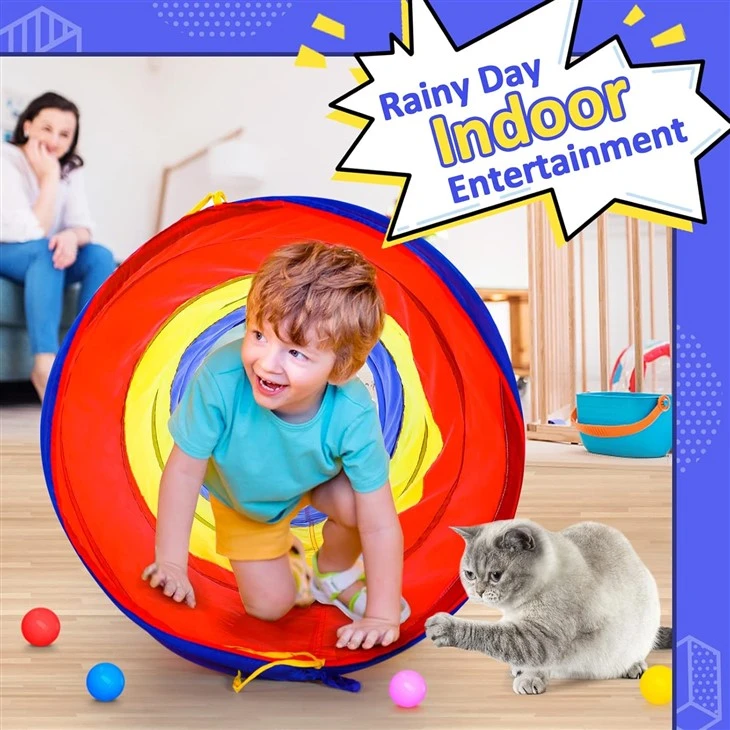
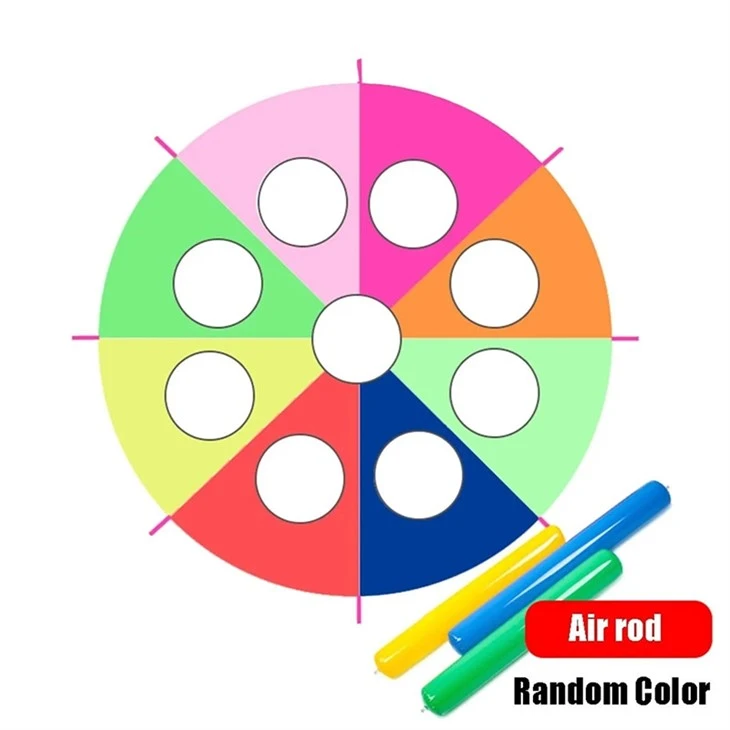
First and foremost, colors can enhance the aesthetic appeal of the toys. A colorful cloth sensory toy is more likely to catch a child's attention and spark their interest. For example, our Colorful Pop Up Crawl Tunnel Toy is designed with a vibrant color scheme that makes it visually appealing. The bright colors not only make the toy more engaging but also create a fun and inviting environment for children to play in.
Colors also play a crucial role in sensory development. Each color can evoke different emotions and sensations. For instance, warm colors like red, orange, and yellow are often associated with energy, excitement, and happiness. These colors can stimulate a child's sense of adventure and encourage active play. On the other hand, cool colors such as blue, green, and purple are known for their calming and soothing effects. They can help children relax and focus, which is particularly beneficial during quiet playtime or when a child needs to unwind.
In addition to emotional and sensory benefits, colors can also aid in cognitive development. By exposing children to a variety of colors, we can help them learn to distinguish between different hues, shades, and tones. This can improve their visual discrimination skills, which are essential for tasks such as reading, writing, and art. For example, our Kids Play Gymnastics Parachute comes in a range of colors, allowing children to identify and name different colors as they play. This simple activity can lay the foundation for more advanced learning later on.
Another advantage of having different colors in cloth sensory toys is that it allows for customization and personalization. Children have their own unique preferences when it comes to colors, and by offering a diverse color selection, we can cater to these individual tastes. Some children may be drawn to primary colors, while others may prefer pastels or earth tones. By providing a variety of options, we can ensure that each child can find a toy that they truly love and connect with.
At our company, we understand the importance of color in cloth sensory toys, and we go to great lengths to offer a wide range of color options in our products. Our design team carefully selects colors that are not only visually appealing but also safe and non-toxic for children. We use high-quality dyes and materials to ensure that the colors remain vibrant and fade-resistant, even after repeated use and washing.
In addition to the standard color options, we also offer custom color choices for our clients. This is particularly useful for schools, daycare centers, and other organizations that may have specific color requirements or branding guidelines. We work closely with our clients to understand their needs and create bespoke cloth sensory toys that meet their exact specifications.
When it comes to the manufacturing process, we take several steps to ensure that the colors are evenly distributed and of the highest quality. Our production team uses advanced dyeing techniques to achieve consistent color saturation and depth. We also conduct rigorous quality control checks at every stage of the manufacturing process to ensure that the colors meet our strict standards.
One of the challenges we face in offering a wide range of colors is managing inventory. With so many color options available, it can be difficult to keep track of stock levels and ensure that we have enough of each color in stock. To address this issue, we use a sophisticated inventory management system that allows us to monitor stock levels in real-time and place orders for replenishment as needed. This helps us to minimize the risk of stockouts and ensure that we can meet the demands of our customers.
Another consideration is the environmental impact of the dyes and materials used in the coloring process. We are committed to sustainability and take steps to minimize our environmental footprint. We use eco-friendly dyes and materials that are free from harmful chemicals and pollutants. We also recycle and reuse materials wherever possible to reduce waste and conserve resources.
In conclusion, cloth sensory toys do come with different colors, and this is a significant advantage for both children and parents. Colors enhance the aesthetic appeal of the toys, stimulate sensory and cognitive development, and allow for customization and personalization. At our company, we are dedicated to providing high-quality cloth sensory toys with a wide range of color options. We believe that by offering a diverse selection of colors, we can help children develop a love for learning and play in a safe and engaging environment.
If you are interested in learning more about our cloth sensory toys or would like to discuss a potential purchase, please feel free to reach out to us. We would be happy to answer any questions you may have and provide you with more information about our products and services.
References
- Berk, L. E. (2018). Development through the lifespan. Pearson.
- National Association for the Education of Young Children (NAEYC). (2020). Developmentally appropriate practice in early childhood programs serving children from birth through age 8. NAEYC.
- Piaget, J. (1952). The origins of intelligence in children. International Universities Press.