

When it comes to sensory chairs, understanding their standard dimensions is crucial for both providers and users. As a supplier of sensory chairs, I've been deeply involved in researching, manufacturing, and distributing these essential tools that offer therapeutic benefits, especially for children with special needs. In this blog, I'll delve into the key dimensions of a standard sensory chair, explaining how they contribute to the chair's functionality and comfort.
Overall Height
The overall height of a sensory chair is an important factor that affects its usability and the user's experience. For most sensory chairs designed for children, the height typically ranges from 24 to 36 inches. This height is carefully calibrated to ensure that the child can easily access the chair, sit comfortably, and have their feet rest flat on the ground. A chair that is too tall may make the child feel unstable or unable to reach the floor, while a chair that is too short can cause discomfort and poor posture.
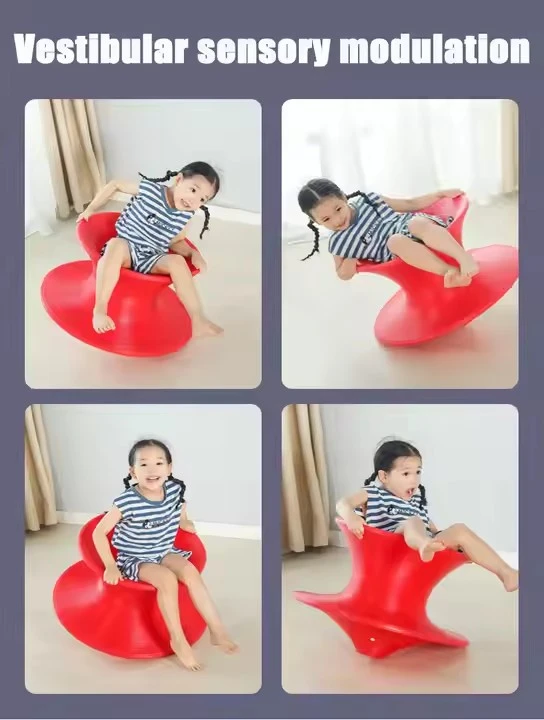
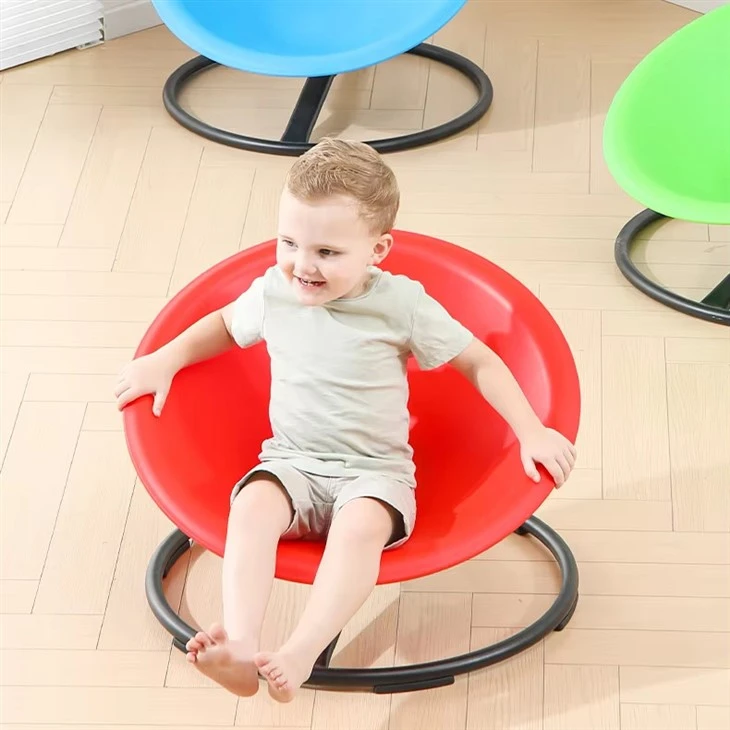
For example, our Spin Sensory Chair for Kids is designed with an optimal height of 30 inches. This height allows children to sit securely while providing enough space for their legs to move freely, which is essential for sensory stimulation. The height also ensures that the child's eyes are at a comfortable level, whether they are using the chair for play or relaxation.
Seat Height
Seat height is another critical dimension that directly impacts the user's comfort and safety. The seat height of a standard sensory chair for children usually falls between 12 and 18 inches. This range is determined by the average height of children in different age groups and ensures that the child's knees are bent at a comfortable angle when sitting. A proper seat height also helps to prevent pressure on the child's thighs, which can lead to discomfort and poor circulation.
Our Sensory Chair for Autism Kids has a seat height of 15 inches. This height is ideal for children aged 3 to 8 years old, as it allows them to sit upright with their feet flat on the ground. The seat is also designed with a slight curve to support the child's lower back, promoting good posture and reducing the risk of back pain.
Seat Width
Seat width is an important consideration to ensure that the user has enough space to sit comfortably. The seat width of a standard sensory chair for children typically ranges from 16 to 20 inches. This width provides enough room for the child to move around and adjust their position, which is important for sensory exploration. A wider seat also allows for the use of additional accessories, such as cushions or sensory pads.
Our Kids Sit and Spin Toy has a seat width of 18 inches. This width is suitable for most children, providing them with enough space to sit comfortably while still allowing for a snug fit. The seat is also designed with a non-slip surface to ensure that the child stays in place while spinning.
Backrest Height
The backrest height of a sensory chair plays a crucial role in supporting the user's back and neck. For children's sensory chairs, the backrest height usually ranges from 12 to 18 inches. A proper backrest height provides support for the child's upper back and neck, reducing the risk of strain and discomfort. It also helps to keep the child in an upright position, which is important for maintaining good posture.
Our sensory chairs are designed with a backrest height of 15 inches. This height provides adequate support for the child's back and neck, allowing them to relax and enjoy the sensory experience. The backrest is also adjustable, allowing the child to find the most comfortable position for their body.
Armrest Height and Width
Armrests are an important feature of a sensory chair, providing support and stability for the user's arms. The armrest height of a standard sensory chair for children typically ranges from 6 to 10 inches. This height allows the child to rest their arms comfortably while sitting, reducing the risk of fatigue and discomfort. The armrest width usually ranges from 4 to 6 inches, providing enough space for the child's arms to rest without feeling cramped.
Our sensory chairs are equipped with armrests that are 8 inches high and 5 inches wide. These dimensions are designed to provide optimal support for the child's arms, allowing them to relax and enjoy the sensory experience. The armrests are also padded to provide additional comfort and reduce pressure on the child's arms.
Base Dimensions
The base dimensions of a sensory chair are important for stability and safety. The base of a standard sensory chair for children typically has a diameter of 24 to 30 inches. This diameter provides a wide and stable base, reducing the risk of the chair tipping over. The base is also designed to be heavy enough to prevent the chair from moving around during use.
Our sensory chairs have a base diameter of 26 inches. This diameter provides a stable and secure base, allowing the child to spin and move around without the risk of the chair tipping over. The base is also made of a durable material that can withstand the weight and movement of the child.
Importance of Standard Dimensions
The standard dimensions of a sensory chair are not arbitrary; they are carefully designed to meet the needs of the users. By adhering to these dimensions, we can ensure that the sensory chair provides the maximum therapeutic benefits while ensuring the safety and comfort of the user.
For children with special needs, such as autism or sensory processing disorder, a properly sized sensory chair can make a significant difference in their daily lives. It can provide them with a safe and comfortable space to relax, play, and explore their senses. The standard dimensions also ensure that the chair can be easily integrated into different environments, such as classrooms, therapy rooms, or homes.
Customization Options
While standard dimensions are important, we also understand that every child is unique, and their needs may vary. That's why we offer customization options for our sensory chairs. We can adjust the dimensions of the chair to fit the specific needs of the child, such as increasing the seat width or height for larger children. We can also add additional features, such as sensory pads or vibration motors, to enhance the sensory experience.
If you have a child with special needs and are looking for a sensory chair that is tailored to their specific needs, please don't hesitate to contact us. Our team of experts will work with you to design a custom sensory chair that meets your child's requirements.
Conclusion
In conclusion, understanding the dimensions of a standard sensory chair is essential for both providers and users. The overall height, seat height, seat width, backrest height, armrest height and width, and base dimensions all play a crucial role in the functionality and comfort of the chair. By adhering to these dimensions, we can ensure that the sensory chair provides the maximum therapeutic benefits while ensuring the safety and comfort of the user.
If you're interested in purchasing a sensory chair for your child or organization, we invite you to contact us for more information. Our team of experts is available to answer any questions you may have and help you find the perfect sensory chair for your needs. We look forward to working with you to improve the lives of children with special needs.
References
- American Academy of Pediatrics. (2019). Position statement: Promoting healthy posture in children and adolescents. Pediatrics, 143(3), e20183254.
- Dunn, W. (2007). The sensory profile. San Antonio, TX: Pearson.
- Case-Smith, J., & Bryan, J. (2015). Sensory integration: Theory and practice (6th ed.). St. Louis, MO: Elsevier.