

In today's society, the concept of inclusivity has become increasingly important, especially in spaces designed for young children. A toddler playground should be a place where every child, regardless of their abilities, backgrounds, or identities, can feel welcome, safe, and have the opportunity to play and learn. As a supplier of toddler playground equipment, I understand the significance of creating inclusive playgrounds and am committed to providing solutions that cater to the diverse needs of all children. In this blog post, I will share some practical tips on how to make a toddler playground more inclusive.
1. Understand the Diverse Needs of Toddlers
The first step in creating an inclusive toddler playground is to understand the diverse needs of the children who will be using it. Toddlers come from different cultural, ethnic, and socioeconomic backgrounds, and they may have various physical, cognitive, and emotional abilities. By considering these differences, we can design playgrounds that accommodate a wide range of needs and ensure that every child can participate fully in play activities.

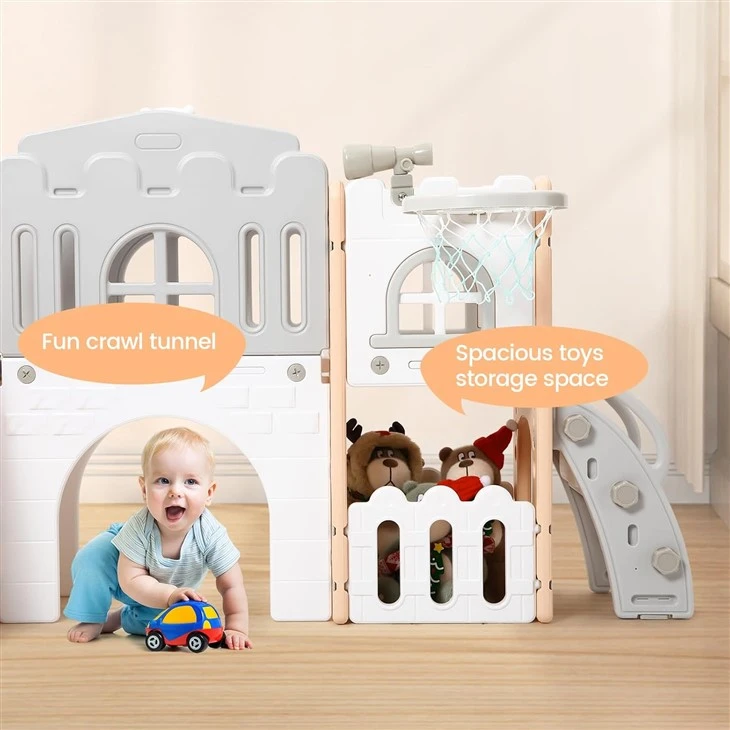
For example, some toddlers may have mobility challenges and require accessible equipment such as ramps, wide pathways, and wheelchair-friendly swings. Others may have sensory sensitivities and benefit from sensory-rich play areas with soft surfaces, textured materials, and calming sounds. By conducting research and consulting with experts, including occupational therapists and special education professionals, we can gain a better understanding of the specific needs of different groups of toddlers and design playgrounds that meet those needs.
2. Choose Inclusive Play Equipment
One of the most important aspects of creating an inclusive toddler playground is choosing the right play equipment. When selecting equipment, it is essential to consider the accessibility, adaptability, and sensory features of each item.
- Accessible Equipment: Look for play equipment that is designed to be accessible to children with disabilities. This may include wheelchair ramps, transfer platforms, and adaptive swings. For example, Indoor Outdoor Baby Slide can be designed with a gentle slope and a wide entrance to accommodate children with mobility challenges.
- Adaptable Equipment: Choose play equipment that can be easily adapted to meet the changing needs of different children. For instance, some swings can be adjusted to different heights and angles, allowing children of various sizes and abilities to use them comfortably. Additionally, modular play structures can be customized to include different types of play elements, such as slides, climbing walls, and sensory panels, to provide a diverse range of play experiences.
- Sensory-Rich Equipment: Incorporate sensory-rich play equipment into the playground to stimulate the senses of all children, including those with sensory sensitivities. This may include items such as musical instruments, water play areas, and textured surfaces. For example, a Kids Indoor Playground can feature a sensory wall with different textures, colors, and shapes to encourage exploration and tactile learning.
3. Design Inclusive Play Spaces
In addition to choosing inclusive play equipment, it is also important to design the playground space itself to be inclusive. This includes considering the layout, signage, and safety features of the playground.
- Layout: Design the playground layout to be easy to navigate and accessible to all children. Use clear pathways and signage to guide children and their caregivers around the playground. Ensure that there is enough space between play equipment to allow for easy movement, especially for children using wheelchairs or other mobility aids.
- Signage: Use clear and simple signage throughout the playground to provide information about the play equipment, safety rules, and accessible features. Signage should be in multiple languages and include pictures or symbols to make it easy for children of all ages and backgrounds to understand.
- Safety Features: Ensure that the playground is safe for all children by using appropriate safety surfacing, installing guardrails and handrails, and regularly inspecting and maintaining the play equipment. Additionally, provide shaded areas and drinking fountains to ensure that children stay hydrated and protected from the sun.
4. Promote Social Inclusion
A toddler playground is not just a place for physical play; it is also a place for social interaction and learning. To make the playground more inclusive, it is important to promote social inclusion among children of all backgrounds and abilities.
- Diverse Play Opportunities: Provide a variety of play opportunities that encourage children to interact and collaborate with each other. This may include group play activities, such as sandcastle building, puppet shows, and cooperative games. By creating opportunities for children to work together, we can help them develop social skills, empathy, and a sense of community.
- Inclusive Staff Training: Train playground staff to be inclusive and sensitive to the needs of all children. Staff should be knowledgeable about different disabilities and cultural backgrounds and be able to provide appropriate support and assistance to children and their families. Additionally, staff should encourage children to interact with each other and promote a positive and inclusive atmosphere in the playground.
- Community Engagement: Engage with the local community to promote the importance of inclusivity in the playground. This may include hosting community events, such as open houses and family fun days, to introduce the playground to families and encourage them to use it. Additionally, collaborate with local schools, community organizations, and disability advocacy groups to raise awareness about the needs of children with disabilities and to promote inclusive play.
5. Provide Inclusive Programming
In addition to creating an inclusive physical environment, it is also important to provide inclusive programming at the toddler playground. This may include offering special events, classes, and activities that are designed to meet the needs of different groups of children.
- Sensory-Friendly Events: Host sensory-friendly events at the playground, such as quiet play sessions or sensory exploration days, to provide a safe and comfortable environment for children with sensory sensitivities. These events can be tailored to the specific needs of different children and may include activities such as sensory art, music therapy, and tactile play.
- Multicultural Events: Organize multicultural events at the playground to celebrate the diversity of the community and to expose children to different cultures and traditions. These events may include cultural festivals, international food tastings, and language learning activities. By promoting cultural awareness and understanding, we can help children develop a sense of respect and appreciation for others.
- Inclusive Classes and Programs: Offer inclusive classes and programs at the playground, such as yoga, dance, and storytelling, that are designed to be accessible to children of all abilities. These classes can be modified to meet the needs of different children and may include adaptive equipment, such as modified yoga mats and sensory props.
Conclusion
Creating an inclusive toddler playground is a complex and ongoing process that requires careful planning, collaboration, and commitment. By understanding the diverse needs of toddlers, choosing inclusive play equipment, designing inclusive play spaces, promoting social inclusion, and providing inclusive programming, we can create playgrounds that are welcoming, safe, and engaging for all children.
As a supplier of toddler playground equipment, I am dedicated to providing high-quality, inclusive products that meet the needs of children of all abilities. If you are interested in learning more about our products or in creating an inclusive toddler playground for your community, please do not hesitate to contact me. I would be happy to discuss your specific needs and to provide you with a customized solution that meets your budget and requirements.
References
- National Association for the Education of Young Children (NAEYC). (2023). Creating Inclusive Environments for Young Children.
- Centers for Disease Control and Prevention (CDC). (2023). Play and Healthy Child Development.
- World Health Organization (WHO). (2023). Guidelines on Physical Activity, Sedentary Behavior and Sleep for Under 5s.