

As a seasoned supplier of Kindergarten Table, I've witnessed firsthand the diverse needs and preferences of kindergartens and parents when it comes to choosing the right tables for young learners. One of the most common questions I encounter is whether it's better to opt for wooden or plastic kindergarten tables. In this blog post, I'll delve into the characteristics, advantages, and disadvantages of both materials to help you make an informed decision.
Wooden Kindergarten Tables
Wooden tables have long been a staple in kindergartens, and for good reason. They exude a natural warmth and charm that can create a cozy and inviting learning environment for children. Here are some of the key benefits of choosing wooden kindergarten tables:
1. Aesthetics and Durability
Wood has a timeless appeal that can enhance the overall look of any kindergarten classroom. Its natural grain patterns and textures add a touch of elegance and sophistication, making the space more visually appealing. Additionally, high - quality wooden tables are built to last. With proper care and maintenance, they can withstand the rigors of daily use by energetic young children. Solid wood, such as oak or maple, is particularly durable and resistant to scratches and dents.
2. Safety and Health
Wood is a natural material that is free from harmful chemicals and toxins. Unlike some plastic products, wooden tables do not emit volatile organic compounds (VOCs), which can be detrimental to children's health. This makes them a safer choice for kindergartens, where children are more vulnerable to the effects of indoor air pollution. Moreover, wood has a lower static electricity build - up compared to plastic, reducing the risk of electrostatic shocks.
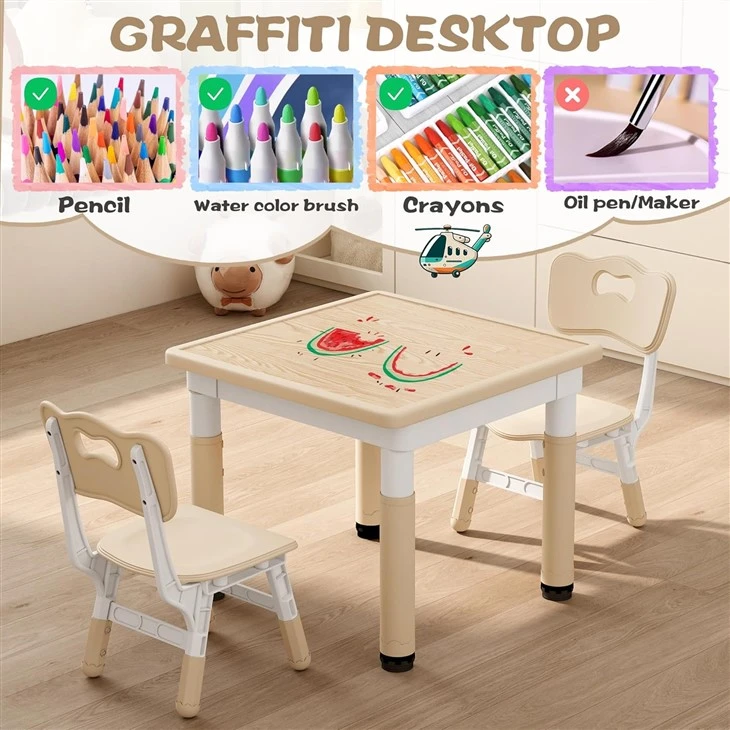
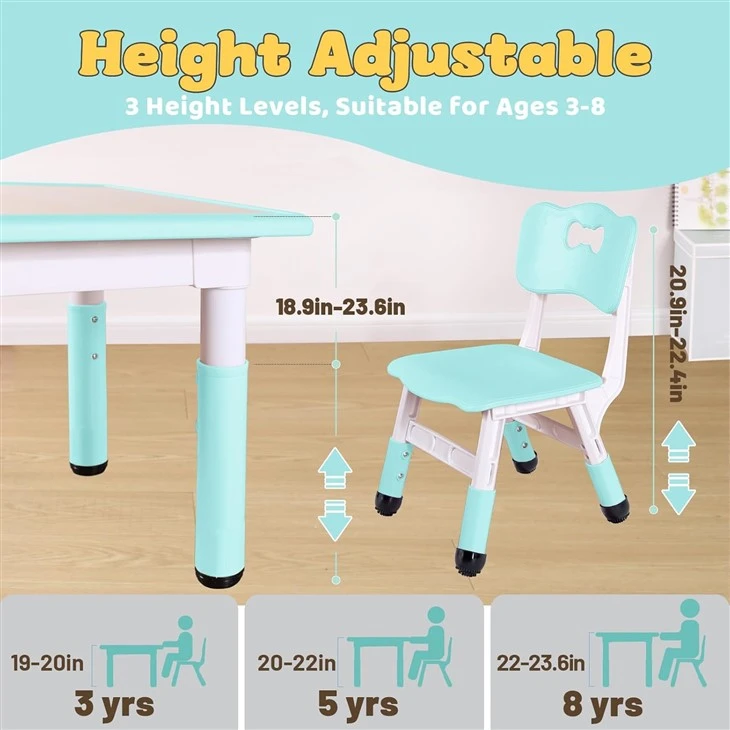
3. Customization
Wooden tables offer a high degree of customization. They can be easily sanded, stained, or painted to match the color scheme and decor of the kindergarten. You can also choose from a variety of shapes and sizes, including rectangular, circular, and hexagonal tables, to meet the specific needs of your classroom. For example, circular tables are great for promoting group activities and interaction among children.
However, wooden kindergarten tables also have some drawbacks. They are generally more expensive than plastic tables, especially if you opt for high - quality solid wood. Wood is also susceptible to moisture damage, so it requires regular maintenance to prevent warping, cracking, or rotting. In addition, wooden tables may be heavier and more difficult to move around, which can be a challenge when rearranging the classroom layout.
Plastic Kindergarten Tables
Plastic tables have gained popularity in recent years due to their affordability, versatility, and ease of maintenance. Here are some of the advantages of choosing plastic kindergarten tables:
1. Affordability
Plastic tables are typically more budget - friendly than wooden tables. This makes them an attractive option for kindergartens with limited financial resources. You can purchase a set of plastic tables at a fraction of the cost of wooden tables, allowing you to equip your classroom with more furniture within your budget.
2. Lightweight and Portable
Plastic tables are lightweight and easy to move around. This makes them ideal for kindergartens where the classroom layout needs to be changed frequently to accommodate different activities. Teachers can easily rearrange the tables to create small group work areas, reading corners, or play spaces. Additionally, plastic tables are easier to transport, which is useful if you need to move them between different classrooms or locations.
3. Easy to Clean
Plastic is a non - porous material that is resistant to stains and spills. It can be easily wiped clean with a damp cloth and mild detergent, making it a hygienic choice for kindergartens. This is especially important in a setting where children are prone to making messes during art projects, snack times, or play activities.
4. Variety of Designs
Plastic tables come in a wide range of colors, shapes, and sizes. You can find Plastic Children Square Table in bright, vibrant colors that are sure to attract children's attention. They also offer unique designs, such as tables with built - in storage compartments or activity centers, which can enhance the functionality of the classroom.
On the other hand, plastic tables also have some limitations. Some lower - quality plastics may contain harmful chemicals, such as phthalates and bisphenol A (BPA), which have been linked to various health problems. It's important to choose plastic tables that are made from high - quality, food - grade plastics that are certified safe for children. Plastic tables are also less durable than wooden tables and may not withstand heavy use as well. They are more likely to crack, break, or fade over time, especially if exposed to direct sunlight or extreme temperatures.
Making the Right Choice
When deciding between wooden and plastic kindergarten tables, it's important to consider your specific needs, budget, and preferences. Here are some factors to keep in mind:
1. Budget
If you have a limited budget, plastic tables may be the more practical choice. However, if you can afford to invest in high - quality furniture that will last for many years, wooden tables are a better long - term investment.
2. Classroom Environment
Consider the size, layout, and usage of your kindergarten classroom. If you need to rearrange the furniture frequently, plastic tables' lightweight and portability make them a good option. If you have a large classroom with a traditional, cozy aesthetic, wooden tables may be more suitable.
3. Safety and Health
Safety should always be a top priority. Make sure to choose tables that are free from harmful chemicals and meet all relevant safety standards. Whether you choose wood or plastic, ensure that the tables are stable and have smooth edges to prevent injuries.
4. Maintenance
Think about the amount of time and effort you are willing to spend on table maintenance. Plastic tables require less maintenance than wooden tables, but wooden tables can be restored and refinished to extend their lifespan.
Conclusion
Both wooden and plastic kindergarten tables have their own unique advantages and disadvantages. As a supplier of School Tables and Chairs, I understand that every kindergarten has different requirements. Whether you prefer the natural beauty and durability of wood or the affordability and convenience of plastic, I can help you find the perfect tables for your classroom.
If you're interested in learning more about our kindergarten table options or would like to discuss your specific needs, please don't hesitate to reach out. We're here to assist you in making the best choice for your educational institution.
References
- "The Benefits of Wooden Furniture in Early Childhood Education." Journal of Early Childhood Education Research.
- "Plastic Safety in Children's Products." Consumer Product Safety Commission.
- "Choosing the Right Furniture for Your Kindergarten." Early Childhood Education Magazine.