

Storing kids' furniture when it's not in use is a crucial aspect that both parents and furniture suppliers like me need to consider. As a kids' furniture supplier, I've witnessed firsthand the importance of proper storage to maintain the quality and longevity of our products. In this blog, I'll share some practical tips on how to store kids' furniture effectively.
Cleaning and Preparation
Before storing any kids' furniture, it's essential to clean it thoroughly. Kids can be messy, and dirt, food stains, and other debris can accumulate on the furniture over time. For wooden furniture, use a mild wood cleaner and a soft cloth to wipe down the surfaces. Avoid using harsh chemicals that can damage the wood finish. For plastic furniture, a simple mixture of warm water and mild dish soap can do the trick. Scrub the furniture gently with a sponge or soft brush, then rinse it well and let it dry completely.
If the furniture has any removable parts, such as cushions or covers, take them off and clean them separately. Wash cushions according to the care instructions on the label, which may involve machine washing or spot cleaning. Covers can usually be machine washed on a gentle cycle.
Once the furniture is clean, inspect it for any signs of damage. Check for loose screws, cracks, or other issues that may need to be repaired before storage. Tighten any loose screws and make minor repairs as needed. If the damage is more significant, it may be worth contacting a professional furniture repair service.
Disassembly (if applicable)
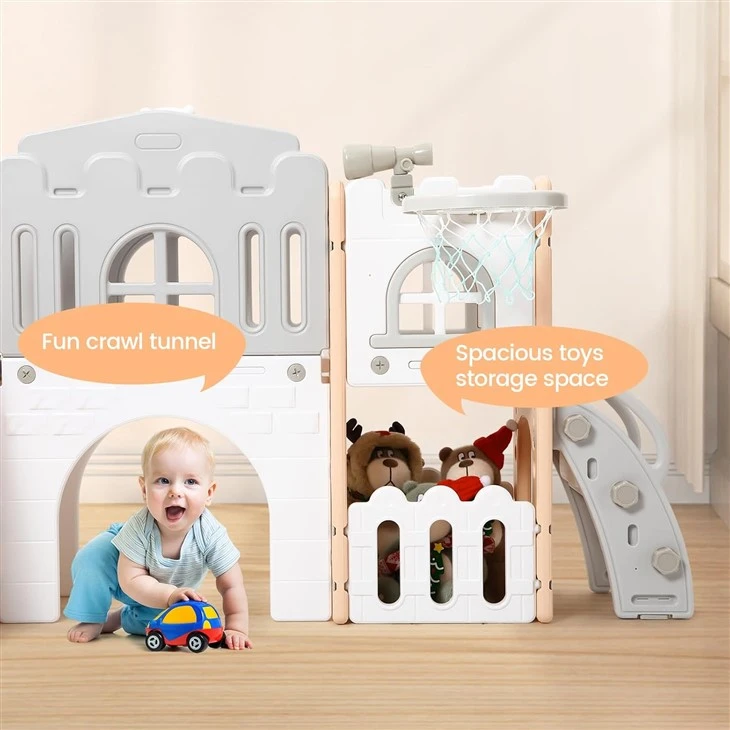
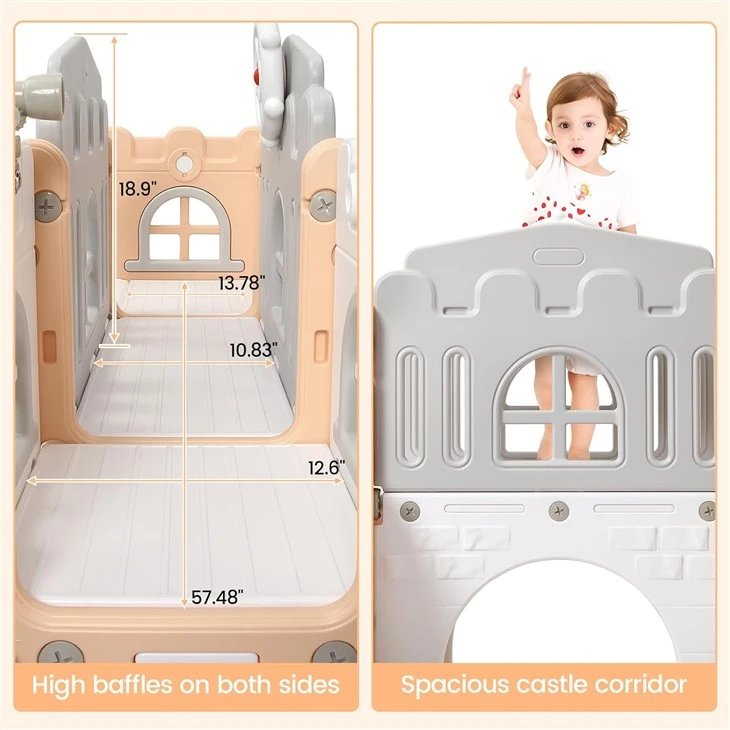
Many kids' furniture pieces, such as bunk beds, play sets, and some tables and chairs, can be disassembled for easier storage. Refer to the manufacturer's instructions or the assembly guide that came with the furniture to learn how to disassemble it properly. Keep all the screws, bolts, and other hardware in a labeled bag or container so that you can easily find them when it's time to reassemble the furniture.
For example, a Kindergarten Table may have detachable legs that can be removed to reduce its size. By disassembling the furniture, you can save a significant amount of space and make it easier to move and store.
Choosing the Right Storage Space
The storage space you choose for kids' furniture is crucial. It should be clean, dry, and protected from extreme temperatures and humidity. A basement, attic, or a storage unit are all potential options, but each has its pros and cons.
- Basements: Basements can be a convenient storage option, but they are often prone to moisture and flooding. If you choose to store furniture in the basement, make sure it's on a raised platform or pallet to keep it off the floor. Use a dehumidifier to control the humidity levels and prevent mold and mildew growth.
- Attics: Attics are usually dry, but they can get very hot in the summer and cold in the winter. Extreme temperature fluctuations can cause the wood to expand and contract, which may lead to damage. If you store furniture in the attic, try to insulate the area as much as possible and avoid storing it near the roof or any areas that may be exposed to direct sunlight.
- Storage Units: Storage units offer a controlled environment, which is ideal for storing valuable or delicate furniture. Look for a storage unit that has climate control to maintain a consistent temperature and humidity level. Make sure the unit is clean, secure, and well-lit.
Proper Packing and Protection
Once you've chosen the storage space, it's time to pack and protect the furniture. Use appropriate packing materials to prevent scratches, dents, and other damage during storage.
- Wooden Furniture: Wrap wooden furniture in furniture blankets or moving pads. These thick, padded blankets provide a layer of protection against scratches and impacts. You can also use plastic wrap or shrink wrap to secure the blankets in place.
- Plastic Furniture: Plastic furniture is more durable than wooden furniture, but it can still get scratched. Wrap it in bubble wrap or place it in a plastic storage container to protect it.
- Upholstered Furniture: Upholstered furniture is more susceptible to stains and damage. Cover it with a furniture cover made of a breathable fabric to protect it from dust and dirt. Avoid using plastic covers, as they can trap moisture and cause mold and mildew to grow.
Organizing the Storage Space
Organizing the storage space is essential to make the most of the available space and to ensure that you can easily find the furniture when you need it. Create a layout of the storage space and plan where you will place each piece of furniture. Group similar items together and label the boxes or containers to make it easier to identify them.
For example, you can group all the baby furniture together, such as cribs, changing tables, and Baby Storage Cabinet. You can also create a separate area for play sets and toys, such as the Indoor Outdoor Baby Slide.
Regular Inspection
Even if you've taken all the necessary precautions to store the furniture properly, it's still a good idea to inspect it regularly. Check for any signs of damage, such as mold, mildew, or pest infestations. If you notice any issues, take immediate action to address them.
During the inspection, you can also check the packing materials to make sure they are still in good condition. If the furniture blankets or moving pads have become loose or damaged, replace them to ensure continued protection.
Conclusion
Properly storing kids' furniture when it's not in use is essential to maintain its quality and longevity. By following these tips, you can ensure that your kids' furniture stays in good condition and is ready to use when needed. As a kids' furniture supplier, I'm always here to provide you with high-quality furniture and helpful advice on storage and maintenance. If you're interested in purchasing kids' furniture or have any questions, please don't hesitate to contact me for a friendly and professional purchasing discussion.
References
- "Furniture Storage Tips." HomeAdvisor.
- "How to Store Furniture Properly." The Spruce.