

Can sensory chairs be used in a stress management session?

In the fast - paced modern world, stress has become an omnipresent issue affecting people of all ages. From children dealing with the pressures of school and social interactions to adults facing work - related stress, finding effective stress management techniques is crucial. As a supplier of sensory chairs, I've often pondered whether these unique chairs can play a role in stress management sessions. In this blog, I'll explore the potential of sensory chairs in such settings, backed by scientific understanding and real - world applications.
Understanding Sensory Chairs
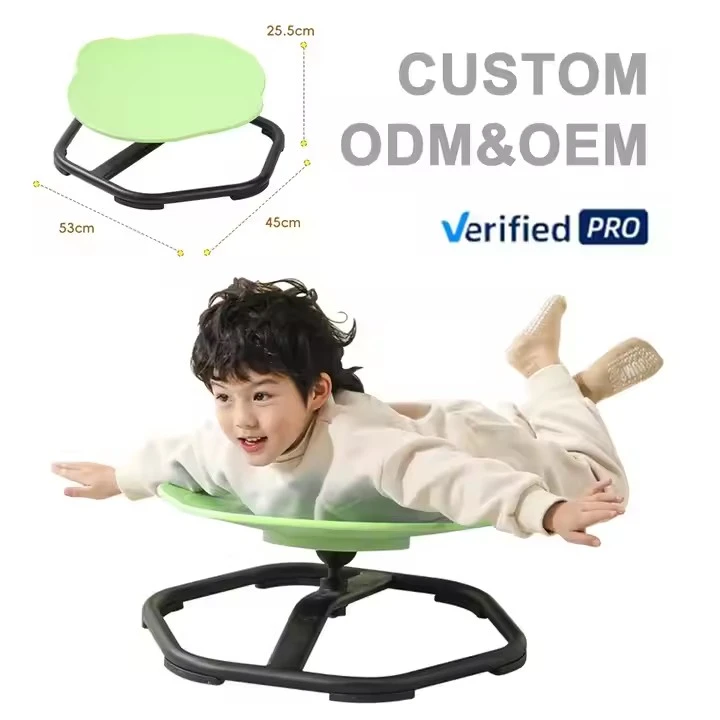
Sensory chairs are designed to provide a multi - sensory experience. They come in various forms, such as the Swivel Chair for Kids, which offers a fun and engaging way for children to move and interact. There are also specialized options like the Swivel Chair for Kids with Autism and the Autism Spinning Chair for Kids, which are tailored to meet the specific sensory needs of children on the autism spectrum.
These chairs typically stimulate the vestibular, proprioceptive, and tactile senses. The vestibular sense is related to balance and spatial orientation, and many sensory chairs provide gentle rocking, spinning, or movement that helps to regulate this sense. Proprioceptive input comes from the muscles and joints, and sitting in a sensory chair can offer resistance and support that gives the body feedback about its position and movement. Tactile stimulation can be provided through the texture of the chair's material, which can be soothing or invigorating depending on the design.
The Science of Stress and Sensory Input
Stress activates the body's fight - or - flight response. When we are stressed, our sympathetic nervous system kicks in, increasing heart rate, blood pressure, and releasing stress hormones like cortisol. Prolonged exposure to stress can have detrimental effects on both physical and mental health, including increased risk of heart disease, depression, and anxiety.
On the other hand, sensory input can have a profound impact on the nervous system. Positive sensory experiences can activate the parasympathetic nervous system, which is responsible for the body's rest - and - digest response. This can counteract the effects of stress by lowering heart rate, reducing blood pressure, and decreasing cortisol levels.
For example, vestibular stimulation has been shown to have a calming effect on the brain. Gentle rocking or spinning movements can synchronize brain waves, promoting a state of relaxation. Proprioceptive input can also help to ground a person in their body, reducing feelings of anxiety and restlessness. Tactile stimulation can be soothing, similar to the way a hug can provide comfort.
Using Sensory Chairs in Stress Management Sessions
In a stress management session, sensory chairs can be used in several ways. For children, the Swivel Chair for Kids can be incorporated into relaxation exercises. A therapist can guide the child to sit in the chair and gently spin or rock while focusing on their breath. This combination of movement and mindfulness can help the child to relax and let go of stress.
For adults, sensory chairs can be used in corporate wellness programs. Employees can take short breaks and sit in a sensory chair to decompress during a busy workday. The gentle movement and sensory feedback can help to clear the mind and reduce stress levels, improving productivity and overall well - being.
In a clinical setting, such as a counseling or therapy session, a sensory chair can be a valuable tool. Clients who are experiencing high levels of stress or anxiety may find it difficult to relax and open up. Sitting in a sensory chair can provide a safe and comforting space, allowing them to feel more at ease and more likely to engage in the therapeutic process.
Real - World Examples
There have been several case studies that demonstrate the effectiveness of sensory chairs in stress management. In a school setting, teachers have reported that using sensory chairs during break times helps to reduce disruptive behavior among students. Children who were previously fidgety and unable to focus were able to relax in the chairs and return to class more calm and attentive.
In a corporate environment, a company introduced sensory chairs in their break rooms. Employees reported feeling less stressed and more energized after using the chairs. The company also noticed a decrease in absenteeism and an increase in employee satisfaction.
Considerations for Using Sensory Chairs in Stress Management
While sensory chairs offer many potential benefits in stress management sessions, there are some considerations to keep in mind. First, not all individuals may respond positively to the same type of sensory input. Some people may find spinning or rocking too stimulating, while others may prefer more tactile or proprioceptive stimulation. It's important to assess each individual's sensory preferences and needs before incorporating a sensory chair into a stress management session.
Second, proper training is required for those using sensory chairs in a professional setting. Therapists, teachers, and corporate wellness coordinators need to understand how to use the chairs safely and effectively. They should also be able to monitor the individual's response to the sensory input and adjust the session accordingly.
Conclusion
In conclusion, sensory chairs have significant potential in stress management sessions. Their ability to provide multi - sensory stimulation can help to activate the parasympathetic nervous system, counteracting the effects of stress. Whether it's in a school, corporate, or clinical setting, sensory chairs can offer a unique and effective way to promote relaxation and well - being.
As a supplier of sensory chairs, I am excited about the possibilities that these chairs present in the field of stress management. If you are interested in learning more about how sensory chairs can be incorporated into your stress management programs or would like to discuss purchasing options, I encourage you to reach out. We can work together to find the right sensory chairs to meet your specific needs.
References
- Ayres, A. J. (1972). Sensory integration and learning disorders. Western Psychological Services.
- Kaplan, S. (1995). The restorative benefits of nature: Toward an integrative framework. Journal of Environmental Psychology, 15(3), 169 - 182.
- Thayer, R. E. (1989). The origin of everyday moods: Managing energy, tension, and stress. Oxford University Press.