

Can sensory chairs be used in conference rooms? That's a question I've been getting a lot lately, and as a sensory chair supplier, I'm excited to dive into this topic.
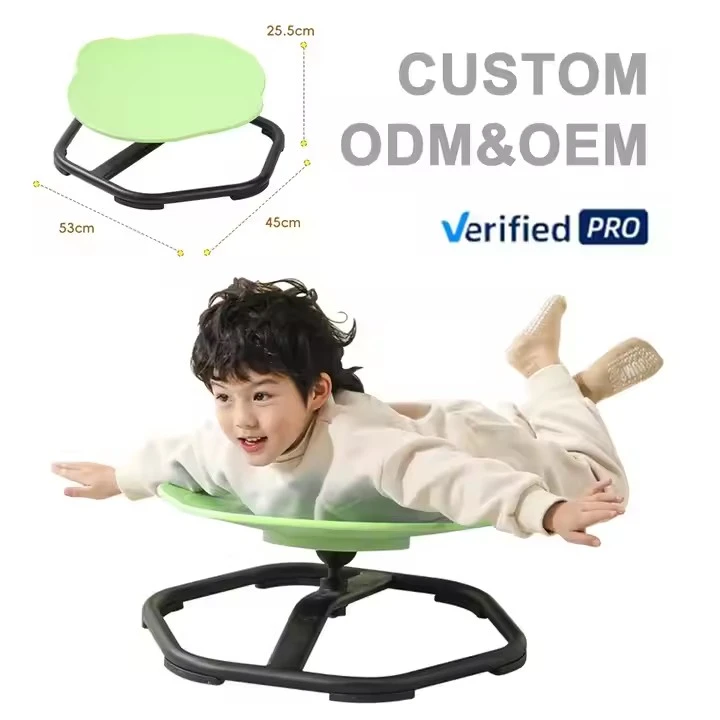
First off, let's talk about what sensory chairs are. They're specially designed chairs that offer unique sensory experiences. For example, you've got the Kids Sit and Spin Toy, which is great for kids to spin around and get that vestibular input. Then there's the Swivel Chair for Kids, allowing for easy movement and rotation. And the Autism Spinning Chair for Kids is tailored to meet the specific sensory needs of kids with autism.
Now, back to the big question: Can these chairs work in conference rooms? At first glance, it might seem a bit odd. Conference rooms are usually associated with formal meetings, presentations, and serious discussions. But let me tell you, there are some solid reasons why sensory chairs can actually be a great addition.
One of the main benefits is increased focus and productivity. Sitting in a regular, static chair for long periods can make people feel stiff and bored. Sensory chairs, on the other hand, allow for gentle movement. For instance, a swivel chair lets people shift their position slightly, which can help release pent - up energy. This constant, small - scale movement can keep the body engaged, and as a result, the mind stays more focused on the meeting.
Think about those long meetings where people start to zone out after an hour or so. With a sensory chair, they can fidget in a productive way. Instead of daydreaming or checking their phones, they're getting the sensory stimulation they need to stay present. It's like giving the brain a little nudge to keep paying attention.
Another advantage is stress reduction. Meetings can be stressful, especially when there's a lot at stake. Sensory chairs can provide a calming effect. The repetitive motion of spinning or rocking can be soothing, much like how a baby is calmed by being gently rocked. When people are less stressed, they're more likely to think clearly and contribute positively to the meeting.
Moreover, sensory chairs can promote better circulation. Sitting still for extended periods can lead to poor blood flow, which can make people feel tired and sluggish. The movement allowed by sensory chairs helps keep the blood moving throughout the body. This not only makes people feel more alert but also reduces the risk of health problems associated with prolonged sitting, like deep - vein thrombosis.
But it's not all sunshine and rainbows. There are some potential challenges to using sensory chairs in conference rooms. One concern is the noise. Some chairs might make a bit of noise when they move, which could be a distraction during a quiet meeting. However, with the right design and materials, this issue can be minimized. For example, chairs with smooth - running wheels or well - lubricated joints won't make much noise at all.
Another challenge is the perception of professionalism. Some people might think that having sensory chairs in a conference room makes the space look less formal. But here's the thing: professionalism isn't just about the furniture. It's about the quality of the discussions, the expertise of the participants, and the overall atmosphere. If the meetings are well - organized and productive, the presence of sensory chairs won't detract from the professionalism.
Now, let's talk about different types of sensory chairs that could work in a conference room. A simple swivel chair is a great option. It allows for easy movement in all directions, so people can turn to face different speakers or look at the presentation materials. It's a subtle way to add movement without being too obtrusive.

There are also chairs with built - in massage features. These can provide a relaxing and invigorating experience during breaks in the meeting. They're like a mini - spa session right in the conference room, helping people recharge and get ready for the next part of the meeting.
If you're worried about the cost, don't be. There are a variety of sensory chairs available at different price points. You can find budget - friendly options that still offer the benefits of sensory stimulation. And when you consider the potential increase in productivity and the improvement in the well - being of your employees, it's actually a smart investment.
In conclusion, sensory chairs can definitely be used in conference rooms. They offer numerous benefits, from increased focus and productivity to stress reduction and better circulation. Sure, there are some challenges, but with proper planning and selection, these can be overcome.
If you're interested in exploring how sensory chairs can transform your conference rooms, I'd love to have a chat with you. Whether you're a small business owner looking to enhance your meeting spaces or a large corporation aiming to improve employee well - being, we've got the right sensory chairs for you. Get in touch with us to start a conversation about how we can tailor a solution to your specific needs.
References
- Research on the effects of movement on focus and productivity in work environments.
- Studies on stress reduction through sensory stimulation.
- Information on the health benefits of improved circulation during sitting.