

Can cloth sensory toys be used in a hospital setting?
In recent years, the use of sensory toys has gained significant attention in various therapeutic and educational settings. As a supplier of cloth sensory toys, I have often been asked whether these toys can be effectively utilized in a hospital environment. In this blog post, I will explore the potential benefits, considerations, and practical applications of cloth sensory toys in hospitals.
Benefits of Cloth Sensory Toys in a Hospital Setting
-
Stress and Anxiety Reduction
Hospitals can be intimidating and stressful places, especially for children. Cloth sensory toys offer a soft, comforting texture that can help soothe anxiety and provide a sense of security. The act of touching, squeezing, or cuddling a cloth toy can have a calming effect on patients, reducing their stress levels and promoting relaxation. For example, a soft, plush teddy bear can serve as a familiar and reassuring companion for a child undergoing medical procedures. -
Sensory Stimulation
Cloth sensory toys come in a variety of textures, colors, and shapes, providing valuable sensory input for patients. This stimulation can help improve cognitive function, enhance motor skills, and promote sensory integration. For instance, a textured cloth ball can encourage a child to reach, grasp, and manipulate the toy, thereby developing their fine motor skills. Additionally, the bright colors and interesting patterns on cloth toys can visually engage patients, stimulating their visual senses. -
Distraction and Entertainment
Medical procedures can be painful and uncomfortable, and patients often need a distraction to take their minds off the discomfort. Cloth sensory toys can serve as an effective distraction tool, providing entertainment and diverting patients' attention from the medical situation. For example, a Kids Play Parachute can be used in group activities, where children can hold onto the edges and watch as the parachute rises and falls, creating a fun and engaging experience. -
Social Interaction
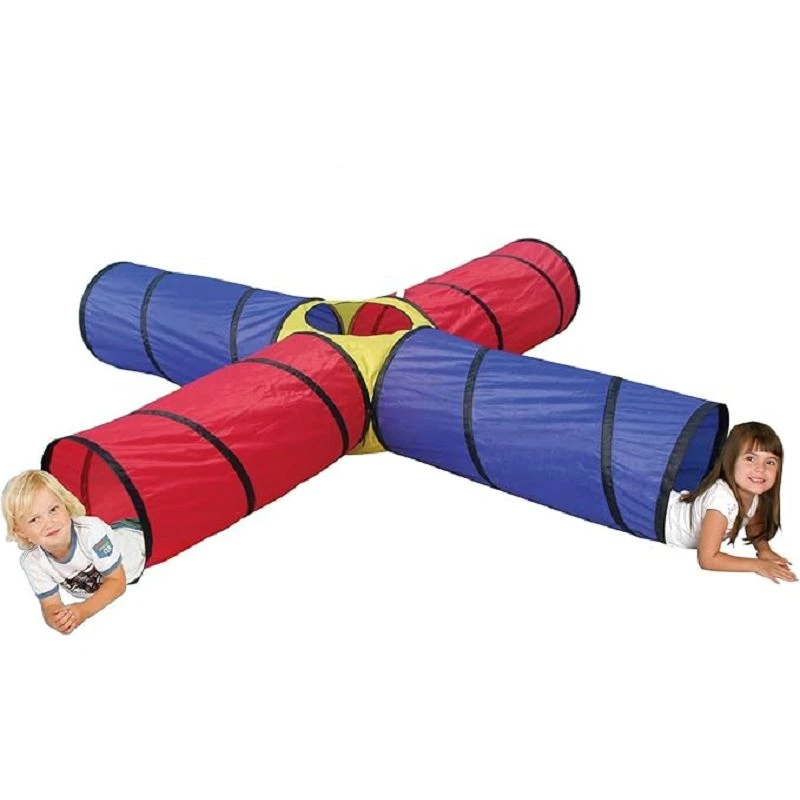
In a hospital setting, patients may feel isolated and lonely. Cloth sensory toys can facilitate social interaction among patients, allowing them to engage in shared activities and build connections with one another. For example, a Colorful Pop Up Crawl Tunnel Toy can be used in a playroom, where children can crawl through the tunnel together, promoting cooperation and social skills development.
Considerations for Using Cloth Sensory Toys in Hospitals
-
Hygiene
Hospitals are high-risk environments for the spread of infections, so it is crucial to ensure that cloth sensory toys are clean and hygienic. Toys should be regularly washed and disinfected to prevent the growth of bacteria and viruses. It is also important to choose toys that are made from washable materials and can withstand frequent cleaning. -
Safety
Patient safety is of utmost importance in a hospital setting. Cloth sensory toys should be free from small parts that could pose a choking hazard, and they should be made from non-toxic materials. Additionally, toys should be inspected regularly for any signs of damage or wear and tear, and damaged toys should be removed from circulation immediately. -
Staff Training
Hospital staff should be trained on how to use cloth sensory toys effectively in a therapeutic context. They should understand the benefits of sensory play and be able to incorporate the toys into patient care plans. Staff training can also help ensure that toys are used appropriately and safely, minimizing the risk of accidents or injuries.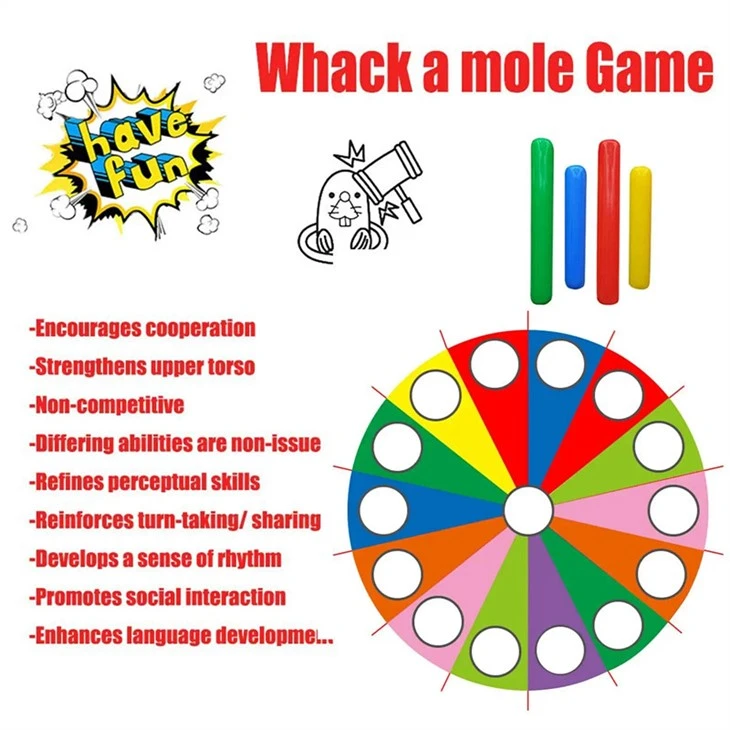
-
Patient Preferences
It is important to consider the individual preferences and needs of patients when selecting cloth sensory toys. Some patients may have sensory sensitivities or allergies, so it is essential to choose toys that are suitable for their specific requirements. Additionally, patients may have different interests and play styles, so offering a variety of toys can help ensure that each patient finds a toy that they enjoy.
Practical Applications of Cloth Sensory Toys in Hospitals
-
Pediatric Wards
In pediatric wards, cloth sensory toys can be used to create a more child-friendly and comforting environment. Toys can be placed in playrooms, patient rooms, and waiting areas to provide entertainment and distraction for children. For example, a Kids Play Gymnastics Parachute can be used in group therapy sessions to encourage physical activity and social interaction among children. -
Rehabilitation Units
In rehabilitation units, cloth sensory toys can be used as part of therapy programs to help patients regain their physical and cognitive abilities. Toys can be used to improve motor skills, balance, and coordination, as well as to provide sensory stimulation. For example, a textured cloth band can be used in physical therapy to help patients strengthen their muscles and improve their grip. -
Palliative Care
In palliative care settings, cloth sensory toys can provide comfort and emotional support for patients who are facing end-of-life issues. Toys can be used to help patients relax, reduce anxiety, and improve their quality of life. For example, a soft, weighted blanket can provide a sense of security and comfort for a patient who is experiencing pain or discomfort.
Conclusion
In conclusion, cloth sensory toys have the potential to be a valuable addition to a hospital setting. They offer numerous benefits, including stress and anxiety reduction, sensory stimulation, distraction, and social interaction. However, it is important to consider the hygiene, safety, staff training, and patient preferences when using these toys in a hospital environment. By carefully selecting and using cloth sensory toys, hospitals can create a more therapeutic and supportive environment for their patients.
If you are interested in learning more about our cloth sensory toys or would like to discuss potential procurement opportunities, please feel free to reach out. We are committed to providing high-quality products that meet the needs of hospitals and healthcare facilities.
References
- Dunn, W. (2001). The sensory profile. San Antonio, TX: The Psychological Corporation.
- Ayres, A. J. (1972). Sensory integration and learning disorders. Los Angeles, CA: Western Psychological Services.
- Fisher, K. J., Murray, E. A., & Bundy, A. C. (2009). Sensory integration: Theory and practice (2nd ed.). Philadelphia, PA: F. A. Davis Company.