

As a supplier of Toddler Playgrounds, I often encounter various questions from parents, operators, and those interested in creating a safe and enjoyable environment for toddlers. One question that comes up quite frequently is, "Can I bring food to a toddler playground?" This seemingly simple question has multiple layers to it, and in this blog, I'll delve into the considerations from different perspectives to help you make an informed decision.
The Hygiene Aspect
Maintaining a clean and hygienic environment is crucial in a toddler playground. Toddlers are more susceptible to illnesses due to their developing immune systems. When food is brought into the playground, there is a high risk of spills and crumbs. These can attract pests such as ants and flies, which not only pose a nuisance but also carry diseases. Moreover, food residues on the equipment can create a breeding ground for bacteria and mold.
For example, a small piece of fruit left on a Kids Indoor Playground slide can quickly become a sticky mess. As toddlers slide down, they may come into contact with the contaminated area, and then put their hands in their mouths, increasing the chances of getting sick.
However, if proper cleaning protocols are in place, the risk can be mitigated. Regularly wiping down the equipment and sweeping the floors can help keep the playground clean. But this requires a significant amount of time and effort from the staff. So, from a hygiene perspective, it's a trade - off between allowing food and maintaining a clean environment.
Safety Concerns
Food can also pose a safety hazard in a toddler playground. Choking is a major concern, especially for young children. Small, hard foods like nuts, popcorn, or even large pieces of candy can get stuck in a toddler's throat. When toddlers are running, climbing, or playing on a Swing Set with Slide for Kids, they are more likely to choke on food if they are eating at the same time.
In addition, food can make the surfaces slippery. If a child spills a drink on the floor near a slide or a climbing structure, it can cause a fall. This is particularly dangerous in a playground where children are constantly in motion.
On the other hand, if parents are vigilant and only bring appropriate foods, such as soft fruits cut into small pieces, and ensure that children are sitting still while eating, the safety risk can be reduced. But it's difficult to enforce these rules in a public playground setting.
Social and Comfort Factors
Allowing food in a toddler playground can have some positive aspects. It can provide a sense of comfort for the children, especially during long play sessions. For example, a child who is getting tired or hungry may be more likely to continue playing if they can have a snack. It can also be a social activity, as children can share their food with their friends, promoting interaction and cooperation.
Moreover, for parents, bringing food can be a convenient option. They don't have to worry about leaving the playground to find a suitable place to feed their child. This can make the overall experience more enjoyable for the whole family.
Policy Considerations for Playground Operators
As a Toddler Playground supplier, I understand that playground operators need to make a decision based on various factors. Some playgrounds have a strict no - food policy to ensure maximum hygiene and safety. They may provide a separate area outside the playground where parents can feed their children.
Other playgrounds allow food but have specific rules in place. For example, they may only allow certain types of food, such as healthy snacks, and require parents to clean up after their children. These rules need to be clearly communicated to the parents and enforced consistently.
When choosing a playground, parents should also consider the policy regarding food. If they have a child with special dietary needs, they may need to look for a playground that is more flexible in its food policy.
Our Role as a Supplier
At our company, we strive to provide high - quality playground equipment that is suitable for a variety of environments, whether food is allowed or not. Our Plastic Swing and Slide sets are made from durable and easy - to - clean materials. This is important because if food is allowed in the playground, the equipment will need to be cleaned more frequently.
We also offer advice to playground operators on how to design a playground that can accommodate food while still maintaining safety and hygiene. For example, we can suggest the layout of the playground to include a designated eating area away from the main play equipment.
Conclusion
The question of whether you can bring food to a toddler playground doesn't have a one - size - fits - all answer. It depends on a variety of factors, including hygiene, safety, social aspects, and the policies of the playground. As a supplier, we understand the challenges faced by both parents and playground operators.

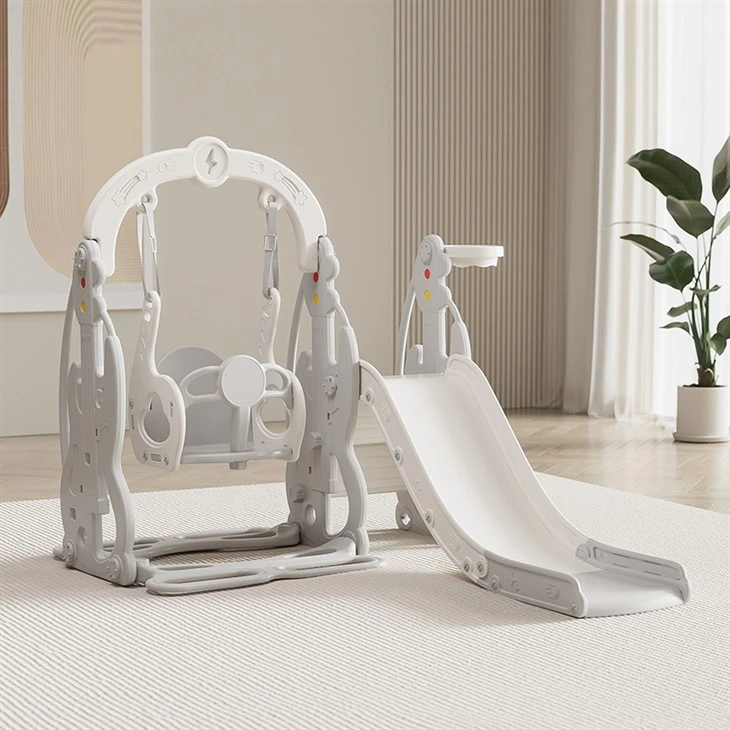
If you're an operator looking to set up a new toddler playground or upgrade an existing one, we're here to help. We can provide you with the best equipment and advice to create a safe and enjoyable environment for the little ones. Whether you choose to have a no - food policy or allow food with certain restrictions, we have the solutions to meet your needs.
If you're interested in discussing your playground project, please feel free to reach out to us. We're eager to engage in procurement discussions and help you build the perfect toddler playground.
References
- American Academy of Pediatrics. (2019). Choking Prevention in Children.
- Centers for Disease Control and Prevention. (2020). Hygiene in Public Play Areas.