

When it comes to balance beams, whether for professional gymnasts, kids learning basic motor skills, or individuals using them for rehabilitation, the material of the balance beam plays a crucial role. As a balance beam supplier, I've had extensive experience with different materials and their characteristics. In this blog, I'll delve into the various materials used to make balance beams and how they impact the performance and usability of these essential fitness and training tools.

Wood
Wood has been a traditional material for balance beams for a long time. It offers a natural and warm aesthetic that many people find appealing. Hardwoods like oak, maple, and beech are commonly used due to their durability and strength.
One of the significant advantages of wooden balance beams is their excellent shock - absorption. When gymnasts perform jumps and land on the beam, the wood can absorb some of the impact, reducing the stress on their joints. This makes it a great choice for both training and competition.
Wood also provides a good grip. The natural texture of the wood surface can offer enough friction for gymnasts to maintain their footing during routines. However, it requires regular maintenance. Wood can be affected by humidity and temperature changes. If the environment is too moist, the wood may warp or develop mold. On the other hand, in a very dry environment, it can crack.
We offer high - quality wooden balance beams that are carefully treated to resist environmental factors. Our wooden balance beams are crafted with precision to ensure a smooth and even surface, providing a reliable platform for gymnasts of all levels.
Plastic
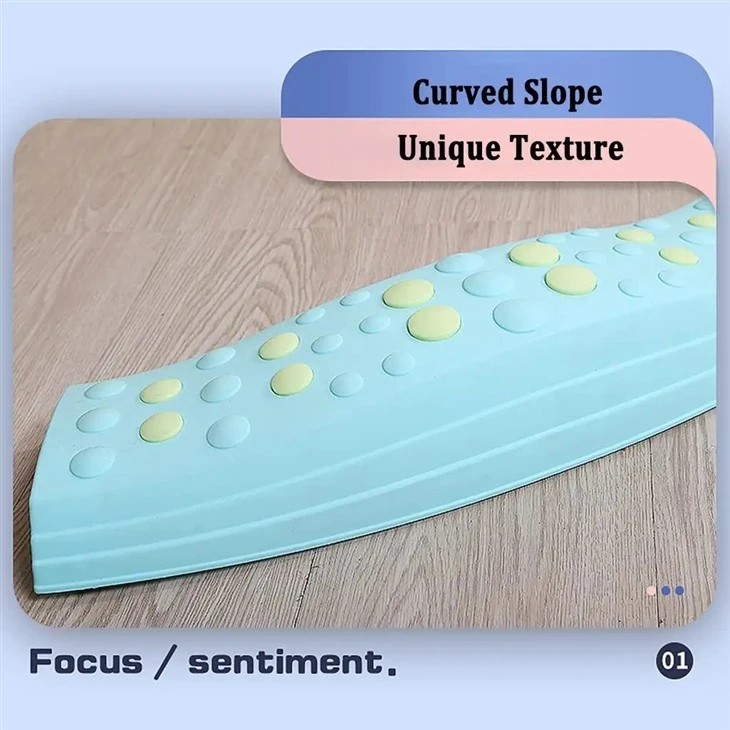
Plastic balance beams have gained popularity in recent years, especially for kids' toys and home use. They are lightweight, which makes them easy to move around and store. For instance, our Non - Slip Plastic Balance Beams are designed with a special non - slip surface to enhance safety.
Plastic is also highly resistant to moisture and chemicals. This means that it won't rot or be damaged by spills. It's a low - maintenance option, as it can be easily cleaned with a damp cloth.
However, plastic may not offer the same level of shock - absorption as wood. When a child jumps on a plastic balance beam, they may feel more of the impact. Also, in terms of durability, some lower - quality plastics may crack or break over time, especially if they are subjected to heavy use or rough handling. But our plastic balance beams are made from high - grade materials that are engineered to withstand regular use.
Metal
Metal balance beams, usually made of steel or aluminum, are known for their strength and stability. They can support heavy weights without bending or warping. Metal beams are often used in professional gymnastic facilities where the equipment needs to endure intense use.
Steel balance beams are extremely durable. They can withstand the rigors of high - level gymnastic routines, including powerful jumps and acrobatic movements. Aluminum, on the other hand, is lighter than steel while still maintaining a good level of strength. This makes it a popular choice for portable balance beams.
One drawback of metal balance beams is that they can be cold to the touch, which may be uncomfortable for gymnasts. Also, metal surfaces can be slippery, so they often need to be coated with a non - slip material. Our metal balance beams are treated with a special non - slip coating to ensure safety and a good grip.
Composite Materials
Composite materials are a combination of different substances, such as fiberglass and resin. These materials offer the best of both worlds in many ways. They can be designed to have high strength like metal, while also providing good shock - absorption similar to wood.
Composite balance beams are lightweight, which is beneficial for transportation and storage. They are also resistant to environmental factors, such as moisture and UV rays. This makes them suitable for both indoor and outdoor use.
The surface of composite balance beams can be engineered to have a consistent and reliable grip. They are often used in modern gymnastic facilities where advanced technology and performance are required.
Foam - Core Balance Beams
Foam - core balance beams are mainly used for beginners, especially kids. The foam core provides a soft and forgiving surface, reducing the risk of injury if a child falls. The outer layer is usually made of a durable fabric or plastic to protect the foam.
These balance beams are very lightweight and easy to handle. They are often used in home settings or in early childhood education centers. For example, our Kids Balance Beam Gymnastic Toy is a foam - core balance beam that is designed to be both fun and educational for kids.
Stepping Stones - Type Balance Beams
Stepping stones - type balance beams, like our Kids Balance Beam Stepping Stones, are made from a variety of materials. They can be made of plastic, wood, or even stone. These balance beams are designed to improve balance and coordination in a more dynamic way.
The individual stepping stones can be arranged in different patterns, providing a unique challenge each time. Plastic stepping stones are lightweight and easy to move around, while wooden ones offer a more natural feel. Stone stepping stones are heavy and stable, but they are less portable.
Considerations When Choosing a Balance Beam Material
When choosing a balance beam, the intended user is a crucial factor. For professional gymnasts, a high - quality wooden or composite beam may be the best choice, as they need a stable and reliable surface for their complex routines. For kids, a foam - core or plastic balance beam is often more suitable due to safety and ease of use.
The environment where the balance beam will be used also matters. If it will be used outdoors, a material that is resistant to moisture and UV rays, such as plastic or composite, is a better option. For indoor use, wood or metal beams can be considered, depending on the available space and the level of use.
Budget is another consideration. Wooden and metal beams tend to be more expensive, especially high - quality ones. Plastic and foam - core balance beams are generally more affordable, making them a good choice for home use or schools with limited budgets.
Conclusion
As a balance beam supplier, we understand the importance of choosing the right material for your balance beam. Each material has its own advantages and disadvantages, and the choice depends on various factors such as user needs, environment, and budget.
We offer a wide range of balance beams made from different materials to meet the diverse needs of our customers. Whether you are a professional gymnast, a parent looking for a safe and fun toy for your child, or a school administrator in need of balance beams for physical education classes, we have the perfect solution for you.
If you are interested in purchasing balance beams or have any questions about our products, please feel free to contact us. We are more than happy to discuss your requirements and help you find the most suitable balance beam for your situation.
References
- International Gymnastics Federation. (Year). Gymnastics Equipment Standards.
- Various research papers on sports equipment materials and their properties.