

Hey there! As a supplier of sensory chairs, I often get asked about the difference between a regular chair and a sensory chair. Well, let me break it down for you in a way that's easy to understand.
First off, let's talk about regular chairs. You know, the ones you see everywhere - in offices, at home, in restaurants. They're designed mainly for sitting. Their main job is to provide a stable and comfortable surface for you to park your behind while you work, eat, or just relax. They come in all sorts of shapes and sizes, but their basic function is pretty straightforward.
A regular chair usually has a fixed position. It doesn't move around much, and it's not really built to engage your senses in any special way. It's just there to support your body in an upright or semi - upright position. The materials used in regular chairs are typically chosen for durability and cost - effectiveness. You'll find lots of plastic, wood, and simple upholstery. They're great for the everyday tasks where you need a place to sit, but that's about it.
Now, let's shift our focus to sensory chairs. These are a whole different ballgame. Sensory chairs are designed with a specific purpose in mind: to stimulate and engage the senses. They're not just about sitting; they're about providing a unique sensory experience.
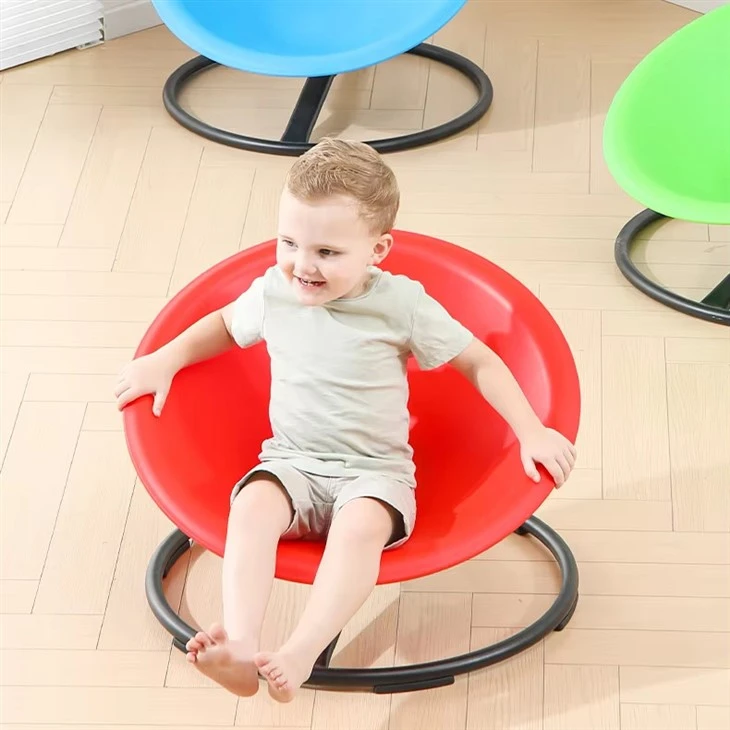
One of the key differences is the movement. Sensory chairs often have some sort of built - in movement feature. For example, there are Spin Sensory Chair for Kids that allow kids to spin around gently. This spinning movement can have a calming effect on some people, especially those with sensory processing issues. It can also help improve balance and coordination. The spinning action stimulates the vestibular system, which is responsible for our sense of balance and spatial orientation.
Another type of sensory chair might have a bouncing or rocking motion. This can be really beneficial for kids who need to release some energy or for those who find the rhythmic movement soothing. It's like having a mini - playground right in your chair!
The materials used in sensory chairs are also carefully selected to provide different tactile sensations. You might find chairs with soft, plush fabrics that feel great to touch, or ones with textured surfaces that can provide a bit of sensory feedback. Some sensory chairs even have built - in vibration features, which can add another layer of sensory stimulation.
Sensory chairs are especially popular among kids with special needs, such as autism. Sensory Chair for Autism Kids are designed to meet the specific sensory needs of these children. They can help them focus, reduce anxiety, and improve their overall well - being. The unique sensory experiences provided by these chairs can be a great way for kids with autism to self - regulate and feel more comfortable in their environment.
Let's take a closer look at some of the benefits of sensory chairs compared to regular chairs.
1. Sensory Stimulation
As I mentioned earlier, sensory chairs are all about engaging the senses. They can provide a multi - sensory experience that regular chairs just can't match. This can be really helpful for kids who are under - or over - sensitive to certain stimuli. For example, a child who is under - sensitive to movement might benefit from the spinning or rocking motion of a sensory chair, while a child who is over - sensitive to touch might find the soft fabrics of a sensory chair comforting.
2. Physical Development
The movement features in sensory chairs can also have a positive impact on physical development. The spinning, bouncing, and rocking motions can help improve balance, coordination, and muscle strength. This is especially important for young children who are still developing these skills. In contrast, regular chairs don't really offer any physical challenges or opportunities for development beyond basic sitting posture.
3. Emotional Well - being
Sensory chairs can have a big impact on emotional well - being. The sensory experiences they provide can be calming and relaxing, which can help reduce stress and anxiety. For kids with special needs, this can be a game - changer. They might feel more comfortable and confident in their environment, which can lead to better social interactions and overall emotional health. Regular chairs, on the other hand, don't have this kind of emotional impact. They're just a place to sit.
4. Focus and Concentration
Many people find that using a sensory chair can help them focus and concentrate better. The sensory stimulation can help keep the mind engaged and prevent distractions. This is particularly useful for students who might have trouble sitting still in a regular classroom chair. By providing a more engaging and comfortable seating option, sensory chairs can help improve academic performance.
Now, I know what you might be thinking. "These sensory chairs sound great, but are they worth the investment?" Well, I believe they are. While sensory chairs might be a bit more expensive than regular chairs, the benefits they offer are well worth it. They can have a long - lasting impact on the physical, emotional, and cognitive development of children, especially those with special needs.
If you're in the market for a sensory chair, I'd also like to mention our Kids Sit and Spin Toy. It's a great option for younger kids who want to experience the fun of spinning in a safe and controlled way. It's not just a toy; it's a tool for sensory development.
In conclusion, the difference between a regular chair and a sensory chair is significant. Regular chairs are great for everyday sitting, but sensory chairs offer so much more. They provide unique sensory experiences, promote physical development, improve emotional well - being, and enhance focus and concentration.
If you're interested in learning more about our sensory chairs or have any questions about how they can benefit your child or organization, I'd love to hear from you. Feel free to reach out, and we can have a chat about your specific needs. We're here to help you make the best choice for your situation.
References

- "Sensory Integration and the Child" by A. Jean Ayres
- "The Out - of - Sync Child" by Carol Kranowitz