

Hey there! I'm a supplier of kindergarten tables, and today I wanna chat about the best way to transport these little gems.
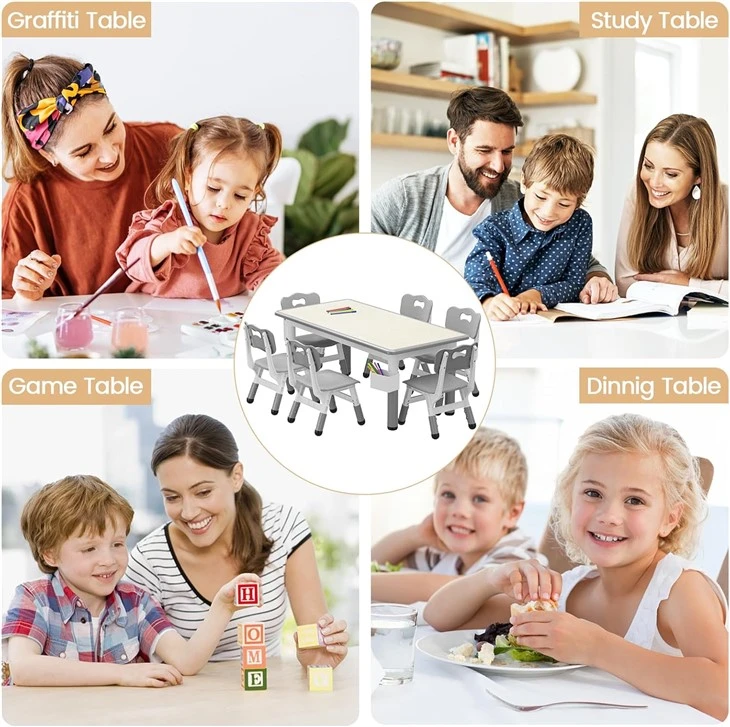
Kindergarten tables come in all shapes, sizes, and materials. Whether it's a Toddler Table and Chair Set that's super cute and compact or a Plastic Children Square Table that's durable and easy to clean, getting them to their destination in one piece is crucial.
Why the Right Transport Matters
First off, why does it matter how we transport these tables? Well, think about it. These tables are gonna be used by our little munchkins every day. If they get damaged during transport, it not only looks bad for us as suppliers but also means the kids won't have a proper place to learn, play, and have snacks. Plus, it's a waste of resources and money if we have to replace damaged tables.
Assessing the Table
Before we even start thinking about how to transport the table, we need to take a good look at it. What's it made of? Is it plastic like the ones in our Kids Plastic Table and Chair Set, or is it made of wood? Plastic tables are usually lighter and more flexible, but they can still crack if not handled properly. Wooden tables, on the other hand, are heavier and more prone to scratches and dents.
We also need to consider the size and shape of the table. Is it a small, round table that can fit in a small van, or is it a large, rectangular table that might need a bigger truck? The dimensions will determine what kind of vehicle we can use and how we need to pack it.
Packaging
Once we've assessed the table, it's time to start packing. Good packaging is the key to protecting the table during transport. For plastic tables, we can use bubble wrap to cushion them. Wrap the whole table in a few layers of bubble wrap, making sure to cover all the edges and corners. These are the parts that are most likely to get damaged.
For wooden tables, we might want to use foam padding in addition to bubble wrap. Foam padding provides extra protection against scratches and impacts. We can also use cardboard boxes to enclose the table. Cut the cardboard to fit the table's size and shape, and then tape it securely. Make sure there's enough room inside the box for the padding, so the table doesn't rub against the sides.
Choosing the Right Vehicle
The type of vehicle we choose depends on the size and quantity of the tables we're transporting. For a small number of tables, a van might be sufficient. Vans are easy to maneuver and can get to most places. However, if we're transporting a large number of tables or big tables, we'll need a truck.
When loading the tables into the vehicle, we need to be careful. Place the tables in an upright position if possible, as this reduces the risk of damage. If we have to stack the tables, make sure to put padding between each layer to prevent scratching and denting.
Securing the Tables
Once the tables are in the vehicle, we need to secure them. Loose tables can shift during transport, which can cause damage. We can use ropes or straps to tie the tables down. Make sure the ropes or straps are tight enough to hold the tables in place but not so tight that they damage the tables.
We can also use rubber mats or non - slip pads at the bottom of the vehicle to prevent the tables from sliding around. This is especially important if we're driving on bumpy roads or making sharp turns.
Handling During Loading and Unloading
Loading and unloading the tables are critical steps. We should use proper lifting techniques to avoid injury. Bend our knees, not our backs, when picking up the tables. If the table is too heavy, we should get some help.
When unloading the tables, we need to be just as careful. Place the tables gently on the ground or the designated area. Check the tables for any signs of damage after unloading. If we notice any damage, we should document it immediately and take appropriate action, such as contacting the customer and arranging for a replacement.
Weather Considerations
Weather can also affect the transport of kindergarten tables. If it's raining or snowing, we need to make sure the tables are protected from the elements. Cover the vehicle with a tarp if necessary. Moisture can damage both plastic and wooden tables. Plastic tables can become brittle in cold weather, while wooden tables can warp or rot if they get wet.
On hot days, we need to be aware of the temperature inside the vehicle. High temperatures can cause plastic to melt or warp. If possible, try to transport the tables during cooler parts of the day or use a vehicle with proper ventilation.

Insurance
It's always a good idea to have insurance for the tables during transport. Accidents can happen, and insurance provides some financial protection. Make sure to choose an insurance policy that covers damage to the tables during transit. Read the policy carefully to understand what's covered and what's not.
Tracking the Shipment
In today's digital age, we can use technology to track the shipment of the tables. This gives us and our customers peace of mind. We can use GPS tracking devices to monitor the location of the vehicle and the estimated time of arrival. This way, we can keep the customer informed and address any issues that might arise during transport.
Conclusion
Transporting kindergarten tables requires careful planning and attention to detail. By assessing the table, using proper packaging, choosing the right vehicle, securing the tables, handling them carefully during loading and unloading, considering the weather, having insurance, and tracking the shipment, we can ensure that the tables arrive at their destination in good condition.
If you're in the market for high - quality kindergarten tables, we're here to help. We offer a wide range of tables, including Toddler Table and Chair Set, Plastic Children Square Table, and Kids Plastic Table and Chair Set. Contact us to discuss your needs and let's work together to provide the best furniture for our little learners.
References
- General knowledge of furniture transport best practices
- Experience in the kindergarten table supply industry