

Stepping stones are a versatile addition to both indoor and outdoor spaces, offering a fun and engaging way for children to develop balance, coordination, and sensory awareness. As a stepping stones supplier, I've had the privilege of exploring various materials and bases to create the best products for our customers. In this blog, I'll share my insights on what makes the best base for stepping stones and why it matters.
The Importance of a Good Base
The base of a stepping stone is crucial for several reasons. First and foremost, it provides stability. When children are using stepping stones to navigate a path, they need a secure surface to step on. A wobbly or unstable base can lead to falls and injuries, which is the last thing anyone wants.
Secondly, the base affects the durability of the stepping stones. Stepping stones are often subjected to a lot of wear and tear, especially when used outdoors. A strong and resilient base can withstand the elements, such as rain, sun, and foot traffic, ensuring that the stepping stones last for a long time.
Finally, the base can enhance the overall aesthetic appeal of the stepping stones. Whether you're creating a natural-looking path in a garden or a colorful play area indoors, the base can complement the design and style of the stones, making them a more attractive addition to any space.
Types of Bases for Stepping Stones
There are several types of bases that can be used for stepping stones, each with its own advantages and disadvantages. Here are some of the most common options:
Concrete
Concrete is a popular choice for stepping stone bases because it is strong, durable, and relatively inexpensive. It can be poured into molds to create custom shapes and sizes, and it can be finished in a variety of ways to achieve different textures and colors. Concrete bases are also resistant to the elements, making them suitable for both indoor and outdoor use.
However, concrete can be heavy and difficult to move once it has set, which can make installation and transportation a challenge. It also requires a certain level of skill and experience to pour and finish properly, so it may not be the best option for DIY projects.

Wood
Wood is another traditional choice for stepping stone bases. It has a natural, rustic look that can complement a variety of outdoor settings, and it is relatively lightweight and easy to work with. Wood bases can be made from a variety of woods, such as cedar, redwood, or pressure-treated lumber, each with its own level of durability and resistance to decay.
One of the main advantages of wood is that it is a renewable resource, making it a more environmentally friendly option than some other materials. However, wood can be prone to rot and insect damage if not properly treated and maintained, and it may not be as durable as concrete or other materials in wet or humid conditions.
Plastic
Plastic is a modern alternative to traditional bases that offers several benefits. It is lightweight, easy to clean, and resistant to moisture, making it suitable for both indoor and outdoor use. Plastic bases can also be molded into a variety of shapes and sizes, and they can be colored to match the design of the stepping stones.
One of the main advantages of plastic is that it is relatively inexpensive and widely available. However, some people may find that plastic lacks the natural beauty and warmth of wood or concrete, and it may not be as durable as these materials in the long term.
Rubber
Rubber is a soft and flexible material that can provide a cushioned surface for stepping stones. It is often used in playgrounds and other areas where safety is a concern, as it can help to reduce the risk of injuries from falls. Rubber bases can be made from recycled materials, making them an environmentally friendly option.
One of the main advantages of rubber is that it is easy to install and can be cut to fit any shape or size. It is also resistant to wear and tear, making it a durable option for high-traffic areas. However, rubber can be more expensive than some other materials, and it may not be as aesthetically pleasing as wood or concrete.
Choosing the Best Base for Your Stepping Stones
When choosing the best base for your stepping stones, there are several factors to consider, including:
Location
The location where the stepping stones will be used is one of the most important factors to consider. If the stones will be used outdoors, you'll need to choose a base that is resistant to the elements, such as concrete or plastic. If the stones will be used indoors, you may have more flexibility in terms of the type of base you choose, as long as it is stable and safe.
Purpose
The purpose of the stepping stones will also influence your choice of base. If the stones are being used for a play area, you may want to choose a base that is soft and cushioned, such as rubber, to reduce the risk of injuries. If the stones are being used to create a decorative path in a garden, you may want to choose a base that complements the natural surroundings, such as wood or concrete.
Budget
Your budget will also play a role in your decision. Concrete and wood are generally the most affordable options, while rubber and some types of plastic can be more expensive. However, it's important to remember that the cost of the base is just one factor to consider, and you should also take into account the durability, maintenance requirements, and aesthetic appeal of the stones.
Design
Finally, the design of the stepping stones themselves will also affect your choice of base. If the stones have a unique shape or pattern, you may need to choose a base that can accommodate the design and provide a stable surface. If the stones are part of a larger design scheme, you may want to choose a base that complements the overall style and color palette of the space.
Our Stepping Stone Products
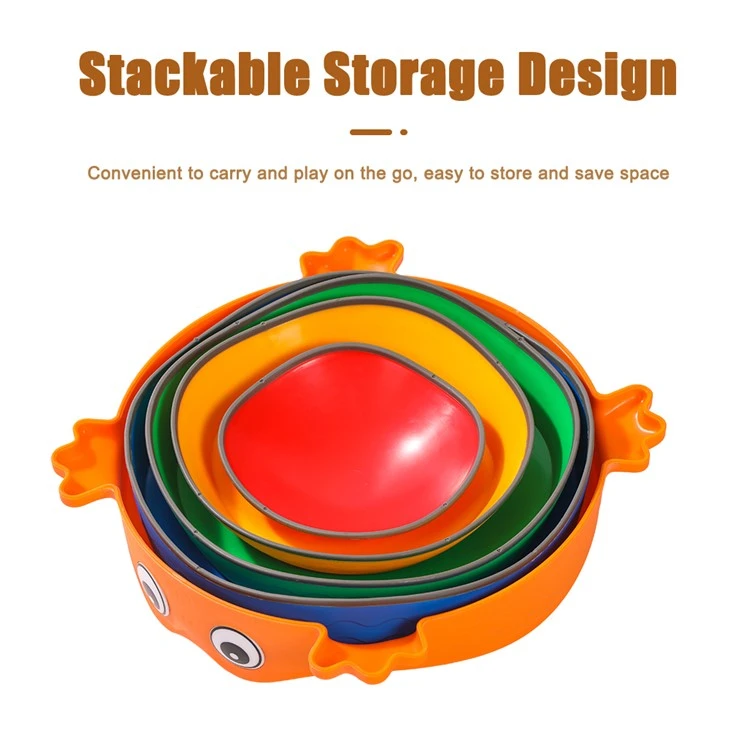
As a stepping stones supplier, we offer a wide range of products with different bases to suit your needs and preferences. Our 5pcs Non-Slip Toddler Stepping Stones are made with a durable plastic base that is lightweight and easy to move, making them perfect for indoor or outdoor play areas. They are also non-slip, which helps to reduce the risk of injuries from falls.
Our Kids Balance Stepping Stones are designed to help children develop balance and coordination skills. They feature a rubber base that provides a cushioned surface, making them a safe and comfortable option for young children. The stones are also brightly colored and have fun shapes, which makes them more appealing to kids.
For older children and adults, we offer Balance Stepping Stones for Kids that are made with a concrete base. These stones are more challenging to use, as they require greater balance and coordination, but they are also more durable and suitable for outdoor use.
Conclusion
Choosing the best base for your stepping stones is an important decision that can affect the stability, durability, and aesthetic appeal of the stones. By considering the location, purpose, budget, and design of the stones, you can choose a base that meets your needs and preferences. Whether you choose concrete, wood, plastic, rubber, or another type of base, our stepping stone products are designed to provide a safe, fun, and engaging way for children to develop their skills and have fun.
If you're interested in learning more about our stepping stone products or have any questions about choosing the best base for your needs, please don't hesitate to contact us. We'd be happy to help you find the perfect solution for your space.
References
- "Stepping Stones: A Guide to Design and Installation." Home Depot.
- "How to Make Stepping Stones." DIY Network.
- "Types of Stepping Stone Bases." Gardening Know How.