

As a supplier of toddler playground equipment, I've witnessed firsthand the profound impact a well - designed playground can have on a child's physical development. Toddlers are at a crucial stage of growth, where every movement and interaction helps shape their motor skills, balance, and overall physical well - being. In this blog, I'll share some of the best ways to promote physical development at a toddler playground.
1. Incorporate a Variety of Equipment
One of the most effective ways to encourage physical development is to offer a diverse range of playground equipment. This exposes toddlers to different types of physical challenges and helps them develop a wide array of skills.
Slides
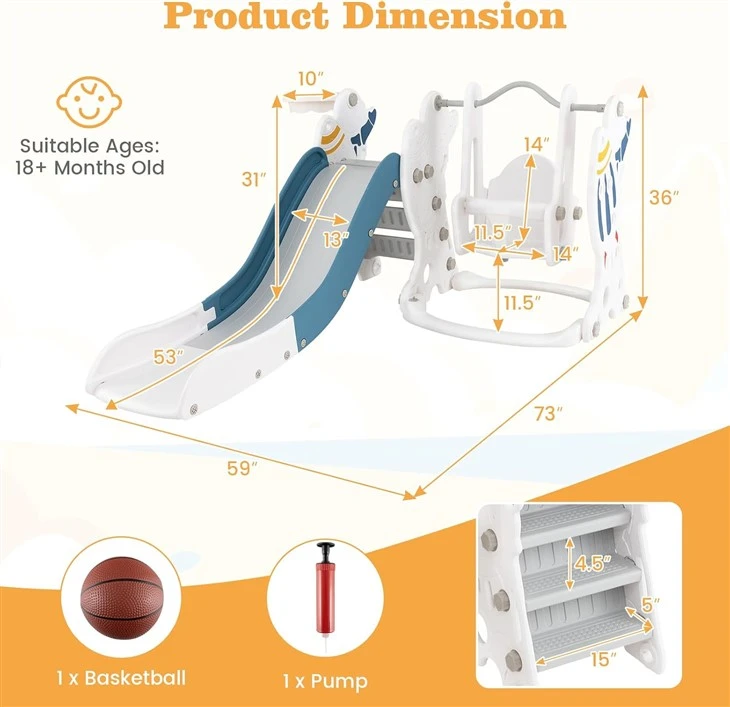
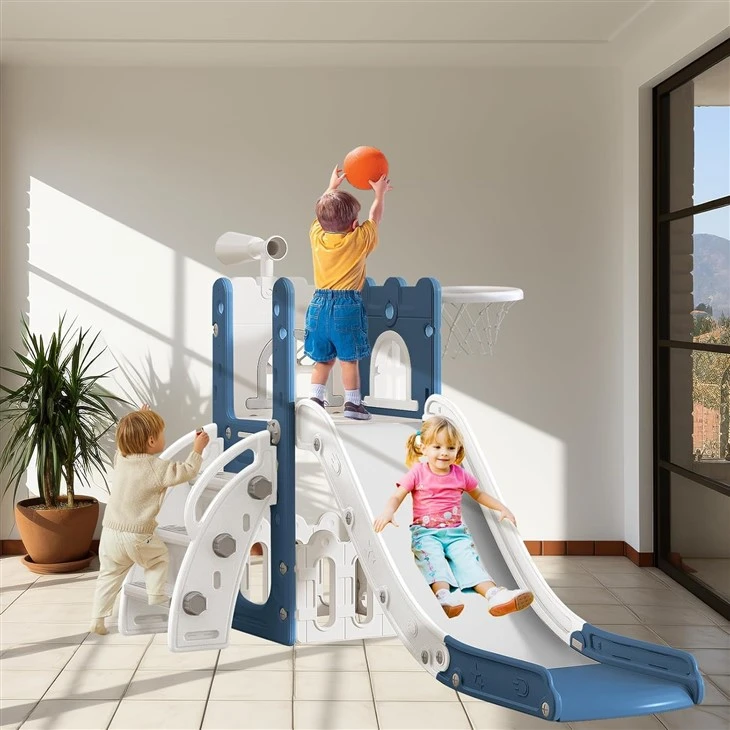
Slides are a classic and essential part of any toddler playground. They not only provide an exhilarating experience but also help improve a child's balance and coordination. When a toddler climbs up the steps of a slide, they are working on their leg strength and gross motor skills. As they slide down, they learn to control their body's speed and direction. Our Kids Slide Playset is a great option. It comes with multiple slides of different shapes and sizes, allowing toddlers to choose the one that suits their comfort level. The smooth surface of the slides ensures a safe and enjoyable ride, while the sturdy construction provides stability for climbing.
Swings
Swinging is another activity that offers numerous physical benefits. It helps toddlers develop their sense of balance, spatial awareness, and core strength. When a child swings back and forth, they must use their abdominal and back muscles to maintain an upright position. Our Swing Set with Slide for Kids combines the fun of swinging with the excitement of sliding. The set includes different types of swings, such as bucket swings for younger toddlers and traditional belt swings for older ones. This variety ensures that children of all ages can enjoy the swinging experience and reap its physical rewards.
Climbing Structures
Climbing is a fantastic way to build upper body strength, hand - eye coordination, and problem - solving skills. Toddlers need to figure out how to grip the bars, place their feet, and move their bodies in a coordinated manner to reach the top of a climbing structure. Our playgrounds feature various climbing elements, such as small rock walls, climbing nets, and ladders. These structures are designed with the safety of toddlers in mind, with appropriate spacing between the rungs and secure footholds. The Indoor Outdoor Slide for Toddlers often comes with attached climbing sections, providing a seamless transition from climbing to sliding.
2. Create a Safe and Stimulating Environment
Safety is of utmost importance when it comes to toddler playgrounds. A safe environment allows toddlers to explore and play freely without the fear of getting injured. At the same time, the playground should be stimulating enough to keep them engaged and motivated to move.
Soft Surfacing
Using soft surfacing materials, such as rubber mulch, artificial turf, or safety mats, can significantly reduce the risk of injuries from falls. These materials absorb the impact of a fall, protecting toddlers from bruises, cuts, and more serious injuries. When designing a playground, it's essential to ensure that all areas beneath the equipment are covered with an appropriate soft surface.
Age - Appropriate Equipment
All playground equipment should be age - appropriate for toddlers. The height of the slides, the size of the swings, and the difficulty level of the climbing structures should be suitable for their physical capabilities. This ensures that toddlers can use the equipment safely and effectively, without feeling overwhelmed or frustrated.
Colorful and Engaging Design
A colorful and engaging design can make the playground more appealing to toddlers. Bright colors, interesting shapes, and themed elements can capture their attention and encourage them to explore different areas of the playground. For example, a playground with a jungle theme might include tree - shaped climbing structures, monkey bars, and animal - shaped slides. This not only makes the playground more fun but also stimulates the toddlers' imagination and creativity.
3. Encourage Social Interaction
Physical development is not just about individual movement; it also involves social interaction. When toddlers play with their peers at the playground, they learn important social skills such as sharing, taking turns, and cooperation. These skills are essential for their overall development.
Group Activities
Organize group activities at the playground, such as relay races, treasure hunts, or group games. These activities encourage toddlers to work together towards a common goal, while also getting plenty of physical exercise. For example, a relay race using small tricycles or scooters can help improve their balance and coordination, as well as their social skills.
Seating Areas
Provide seating areas where parents and caregivers can sit and watch their toddlers play. These areas also serve as a gathering place for adults, allowing them to interact and exchange ideas. Sometimes, parents can also encourage their toddlers to play with other children, facilitating social interaction among the little ones.
4. Offer Educational Opportunities
A toddler playground can also be a place for learning. By incorporating educational elements into the playground equipment, we can help toddlers develop their cognitive skills while having fun.
Number and Letter Shapes
Include equipment with number and letter shapes, such as stepping stones with numbers or alphabet - shaped climbing structures. As toddlers play on these structures, they can learn to recognize numbers and letters, which is an important foundation for early literacy and numeracy.
Nature Exploration
Create a small nature area within the playground, with plants, flowers, and a small pond. Toddlers can learn about different types of plants, insects, and animals, while also getting some fresh air and exercise. This hands - on learning experience can enhance their curiosity and love for nature.
5. Regular Maintenance and Inspection
To ensure the continued safety and functionality of the playground, regular maintenance and inspection are essential.
Equipment Checks
Regularly check all playground equipment for signs of wear and tear, loose parts, or damage. Any issues should be addressed immediately to prevent accidents. For example, check the bolts on the swings, the stability of the climbing structures, and the smoothness of the slides.
Cleaning
Keep the playground clean by regularly removing debris, dirt, and leaves. This not only makes the playground more appealing but also helps prevent the spread of germs and diseases.
In conclusion, promoting physical development at a toddler playground requires a combination of appropriate equipment, a safe environment, social interaction, educational opportunities, and regular maintenance. As a supplier of toddler playground equipment, we are committed to providing high - quality products that meet these requirements. If you're interested in purchasing playground equipment for your toddler facility, whether it's a daycare center, a preschool, or a community park, we'd love to discuss your needs and provide you with the best solutions. Contact us to start the procurement discussion and let's create a wonderful playground for the little ones together.
References
- American Academy of Pediatrics. (2018). Play and the Importance of Recreation in Child Development. Pediatrics, 142(4).
- Centers for Disease Control and Prevention. (2020). Playground Safety. Retrieved from CDC official website.
- National Association for the Education of Young Children. (2019). Developmentally Appropriate Practice in Early Childhood Programs. Washington, DC: NAEYC.