

Teaching toddlers playground etiquette is a crucial aspect of their early development, as it helps them learn how to interact with others, respect boundaries, and enjoy shared spaces safely. As a supplier of Toddler Playground, I've witnessed firsthand the importance of instilling good playground manners in young children. In this blog post, I'll share some practical tips on how to teach toddlers playground etiquette effectively.
Start with the Basics: Explain the Rules
The first step in teaching toddlers playground etiquette is to explain the rules in simple, easy-to-understand terms. Use age-appropriate language and examples to help them grasp the concepts. For instance, you can say, "We take turns on the swings so everyone can have a chance to play," or "We don't push others on the slide because it can make them fall and get hurt."
Make the rules clear and consistent, and repeat them often. You can also create visual aids, such as posters or flashcards, to reinforce the rules. Hang the posters in the playground or at home, and refer to them whenever your toddler is about to go out and play.
Lead by Example
Toddlers learn by watching and imitating the behavior of adults and older children. As a parent or caregiver, you are your toddler's most important role model. Therefore, it's essential to demonstrate good playground etiquette yourself.
When you're at the playground, follow the rules and show respect for other children and their parents. Take turns on the equipment, share toys, and help others when needed. Your toddler will observe your behavior and learn that these are the right ways to interact with others in a shared space.
Practice Social Skills
Playgrounds provide an excellent opportunity for toddlers to practice their social skills, such as sharing, taking turns, and communicating with others. Encourage your toddler to interact with other children and engage in cooperative play.
You can start by introducing your toddler to other children at the playground and helping them initiate a conversation. For example, you can say, "Hi, what's your name? Do you want to play on the swings with us?" Encourage your toddler to ask questions, listen to others, and take turns speaking.
If your toddler has trouble sharing or taking turns, you can use positive reinforcement to encourage the desired behavior. For example, you can say, "Great job sharing the toy with your friend! You're being such a kind and generous person." Praise your toddler for their efforts and accomplishments, and provide them with lots of hugs and kisses to show your love and support.
Teach Safety Rules
In addition to teaching social skills, it's also important to teach your toddler basic safety rules to prevent accidents and injuries at the playground. Here are some essential safety rules to teach your toddler:
- Stay within sight: Make sure your toddler stays within your sight at all times. Keep an eye on them, especially when they're playing on the equipment or near the edge of the playground.
- Use the equipment properly: Teach your toddler how to use the playground equipment safely. For example, show them how to hold onto the handrails when climbing the stairs, how to sit properly on the swings, and how to slide down the slide feet first.
- Avoid rough play: Discourage your toddler from engaging in rough play, such as pushing, shoving, or hitting other children. Explain that these behaviors can cause injuries and are not acceptable at the playground.
- Wear appropriate clothing and shoes: Make sure your toddler wears appropriate clothing and shoes for the playground. Avoid loose-fitting clothing that can get caught in the equipment, and choose shoes with good traction to prevent slips and falls.
Address Problem Behavior
Despite your best efforts, your toddler may sometimes exhibit problem behavior at the playground, such as refusing to share, pushing others, or throwing tantrums. When this happens, it's important to address the behavior promptly and calmly.
First, try to understand the reason behind your toddler's behavior. Is your toddler tired, hungry, or frustrated? Are they having trouble sharing or taking turns? Once you understand the cause of the behavior, you can take appropriate steps to address it.
If your toddler is refusing to share or take turns, you can try to distract them with another activity or toy. You can also remind them of the rules and explain why it's important to share and take turns. If your toddler continues to exhibit problem behavior, you may need to remove them from the situation and give them a time-out to calm down.
Provide Positive Reinforcement
Positive reinforcement is a powerful tool for teaching toddlers playground etiquette. When your toddler exhibits good behavior at the playground, such as sharing, taking turns, or helping others, make sure to praise and reward them.
You can use a variety of rewards to reinforce the desired behavior, such as stickers, small toys, or extra playtime. Make sure the rewards are age-appropriate and meaningful to your toddler.
In addition to tangible rewards, you can also use verbal praise and physical affection to show your toddler that you're proud of them. For example, you can say, "You did a great job sharing the toy with your friend! I'm so proud of you." Give your toddler a hug, a kiss, or a high-five to show your love and support.
Create a Safe and Welcoming Environment
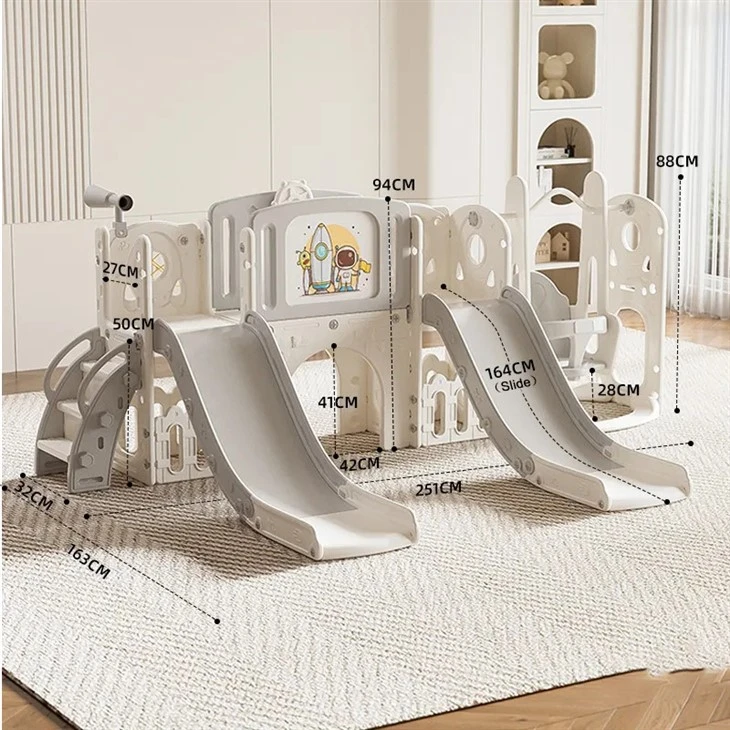
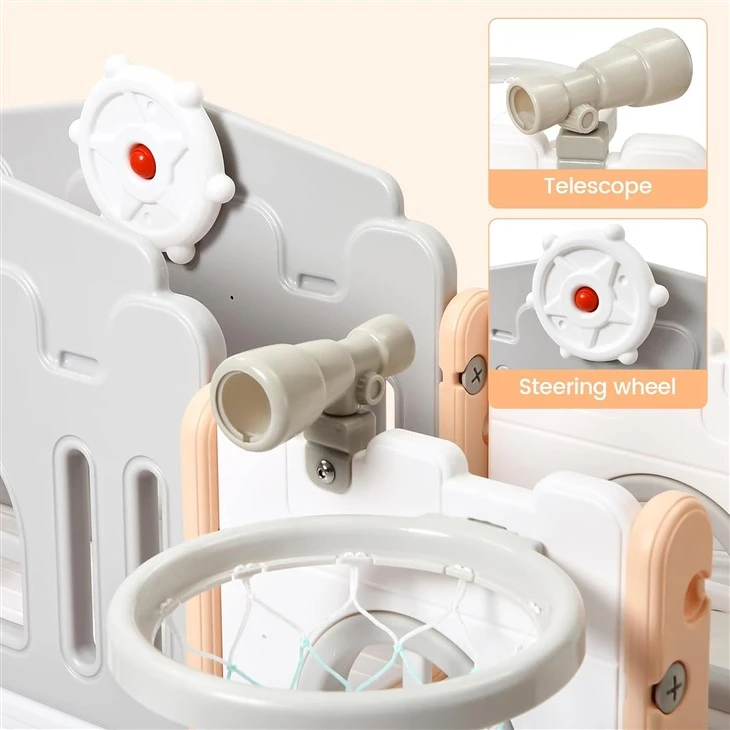
As a Toddler Playground supplier, I understand the importance of creating a safe and welcoming environment for toddlers to play. When you're choosing a playground for your toddler, look for one that is clean, well-maintained, and equipped with age-appropriate equipment.
Make sure the playground has soft surfaces, such as rubber mulch or artificial turf, to cushion falls and prevent injuries. Check the equipment regularly for any signs of damage or wear and tear, and report any issues to the playground management immediately.
In addition to physical safety, it's also important to create a welcoming and inclusive environment for all children. Encourage your toddler to be friendly and respectful to children of all ages, genders, races, and abilities. Teach your toddler to accept differences and celebrate diversity.
Conclusion
Teaching toddlers playground etiquette is an important part of their early development. By following these tips, you can help your toddler learn how to interact with others, respect boundaries, and enjoy shared spaces safely.
As a Toddler Playground supplier, I'm committed to providing high-quality playground equipment that is safe, durable, and fun for toddlers. If you're interested in purchasing a playground for your home, school, or community, please don't hesitate to contact us. We'll be happy to help you choose the right equipment for your needs and budget.
References
- Copple, C., & Bredekamp, S. (Eds.). (2009). Developmentally appropriate practice in early childhood programs serving children from birth through age 8 (3rd ed.). National Association for the Education of Young Children.
- Gopnik, A., Meltzoff, A. N., & Kuhl, P. K. (2000). The scientist in the crib: Minds, brains, and how children learn. HarperCollins.
- Shonkoff, J. P., & Phillips, D. A. (Eds.). (2000). From neurons to neighborhoods: The science of early childhood development. National Academies Press.