

Hey there! If you're here, chances are you're interested in setting up a balance board. Well, you've come to the right place! I'm a balance board supplier, and I've got all the tips and tricks to help you get your balance board up and running in no time.
Why a Balance Board?
First off, let's talk about why you'd want a balance board in the first place. Balance boards are super versatile. They're great for kids as Wobble Board for Toddlers can help with their motor skills development, balance, and coordination. It's like a fun game that also doubles as a learning tool. For adults, they're amazing for core strength training, rehabilitation, and even as a Curvy Rocker Board for Yoga to enhance your yoga practice. And if you're into Montessori or Waldorf education methods, a Montessori Waldorf Toy balance board can be a perfect addition to your home or classroom.
Choosing the Right Balance Board
Before you set up your balance board, you need to pick the right one for your needs. There are different types of balance boards out there.

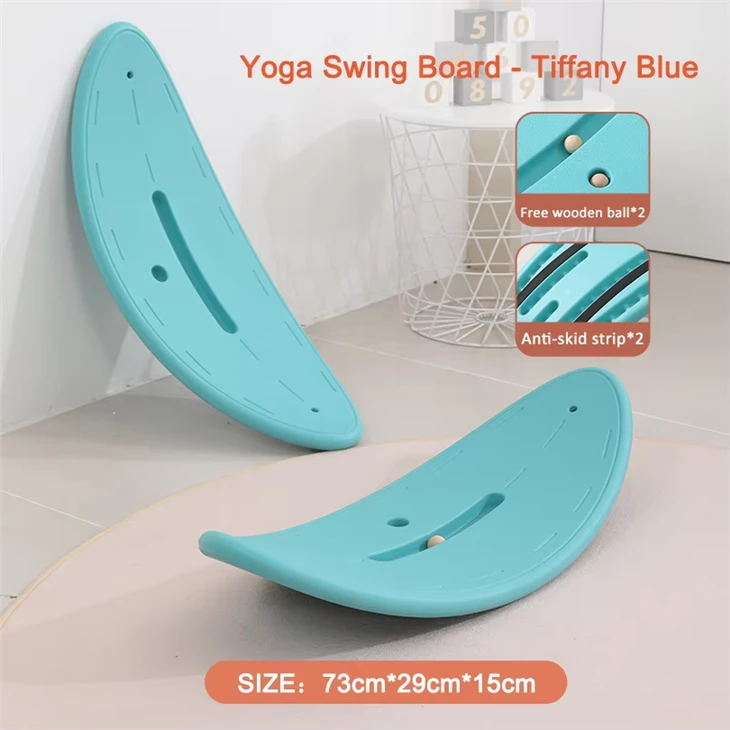
- Rocker Boards: These are shaped like a half - circle and rock back and forth. They're great for basic balance training and are suitable for beginners of all ages.
- Wobble Boards: These have a flat surface on top and a rounded or irregular bottom. They make you shift your weight in all directions, providing a more challenging balance workout.
- Surf - Style Balance Boards: These mimic the movement of surfing. They're longer and more narrow, and they require you to shift your weight from side to side, just like you would on a surfboard.
When choosing a balance board, consider the age and skill level of the user. For toddlers, a simple wobble board with a low - profile and soft edges is ideal. For older kids and adults, you can go for more advanced rocker or surf - style boards. Also, think about the space you have available. If you have a small room, a compact balance board might be a better choice.
Setting Up Your Balance Board
Once you've got your balance board, it's time to set it up. Here's a step - by - step guide:
Step 1: Find a Suitable Location
Pick a flat, stable, and open area. You don't want to set up your balance board on a soft carpet or an uneven floor. A hardwood floor or a smooth tile surface is perfect. Make sure there's enough space around the board so you can move freely without hitting anything. Clear away any obstacles like furniture, toys, or cords.
Step 2: Check the Board
Before you start using it, give your balance board a quick once - over. Look for any signs of damage, like cracks or loose parts. If you find any issues, contact your supplier right away. Also, make sure the board is clean. Wipe it down with a damp cloth if needed.
Step 3: Adjust the Board (if necessary)
Some balance boards come with adjustable features. For example, some wobble boards have different levels of instability that you can adjust. If your board has this feature, set it to the appropriate level for your skill level. If you're a beginner, start with the least unstable setting and gradually increase the difficulty as you get better.
Step 4: Get Comfortable
Stand on the balance board with your feet shoulder - width apart. Keep your knees slightly bent and your back straight. Try to relax your body and focus on your center of gravity. It might feel a bit wobbly at first, but that's normal. Take your time to get used to the feeling of standing on the board.
Using Your Balance Board Safely
Safety is super important when using a balance board. Here are some safety tips:
- Wear the Right Shoes: Wear shoes with good traction. Slippery shoes can increase your risk of falling. Avoid wearing sandals or shoes with high heels.
- Start Slowly: Don't try any crazy moves right away. Begin with simple standing exercises and gradually work your way up to more complex movements.
- Use a Spotter: If you're new to using a balance board, it's a good idea to have someone nearby to spot you. They can help catch you if you start to fall.
- Listen to Your Body: If you feel any pain or discomfort while using the balance board, stop immediately. Don't push yourself too hard.
Tips for Getting the Most Out of Your Balance Board
- Make it a Regular Routine: Incorporate balance board exercises into your daily routine. Even just a few minutes a day can make a big difference in your balance and coordination.
- Mix it Up: Try different exercises on your balance board. You can do simple standing, walking in place, or even try some yoga poses. This will keep your workouts interesting and challenge your body in different ways.
- Track Your Progress: Keep a record of how long you can stay balanced on the board or how many exercises you can do. This will help you see how much you're improving over time.
Maintenance of Your Balance Board
To keep your balance board in good condition, you need to take care of it.
- Clean it Regularly: Wipe down the board with a mild soap and water solution after each use. This will prevent dirt and sweat from building up.
- Store it Properly: When you're not using the balance board, store it in a dry, cool place. Don't leave it in direct sunlight or in a humid environment, as this can damage the board.
- Inspect it Regularly: Check the board for any signs of wear and tear. Replace any parts that are damaged or worn out.
Connect with Us
If you're interested in purchasing a balance board or have any questions about setting up or using one, we'd love to hear from you. We're a balance board supplier with a wide range of high - quality balance boards to suit all needs and budgets. Whether you're a parent looking for a toy for your kids, a fitness enthusiast, or an educator, we've got the perfect balance board for you. Reach out to us to start a conversation about your balance board needs and let's work together to find the best solution for you.
References
- American Academy of Pediatrics. (2023). Physical Activity Guidelines for Children and Adolescents.
- National Strength and Conditioning Association. (2022). Balance Training for Adults.