

Hey there! As a storage cabinet supplier, I've seen firsthand the importance of securing these cabinets to prevent them from tipping over. It's not just about protecting your belongings; it's about ensuring the safety of everyone in your home, especially kids. In this blog, I'll share some practical tips on how to secure a storage cabinet and keep your space safe.
Why Securing Storage Cabinets Matters
First off, let's talk about why it's so crucial to secure your storage cabinets. Unsecured cabinets can pose a significant safety risk, especially in homes with children. According to the Consumer Product Safety Commission (CPSC), tip - over incidents involving furniture and appliances cause thousands of injuries and even some fatalities each year. Kids are naturally curious and love to climb, and a tall storage cabinet can be an inviting challenge. If a cabinet tips over on them, the consequences can be devastating.
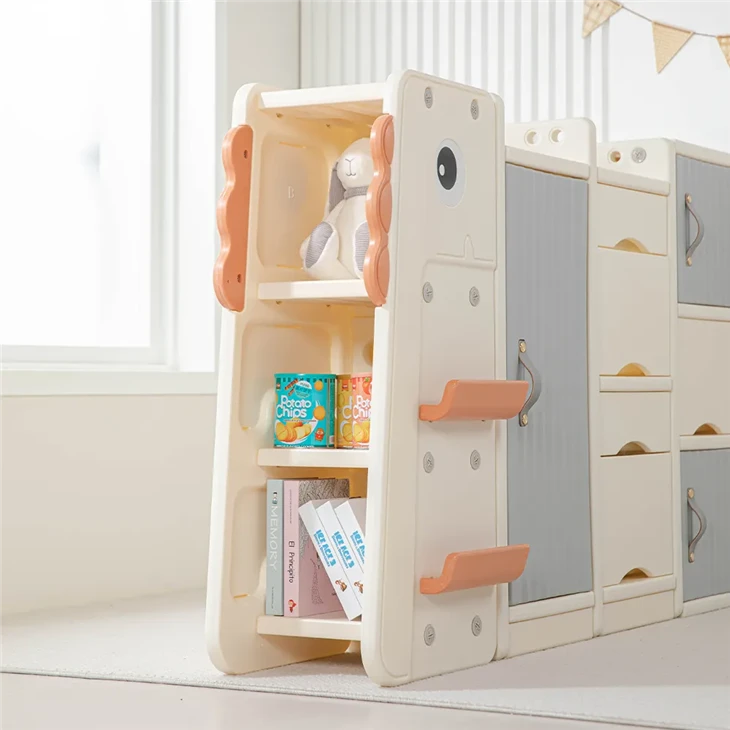
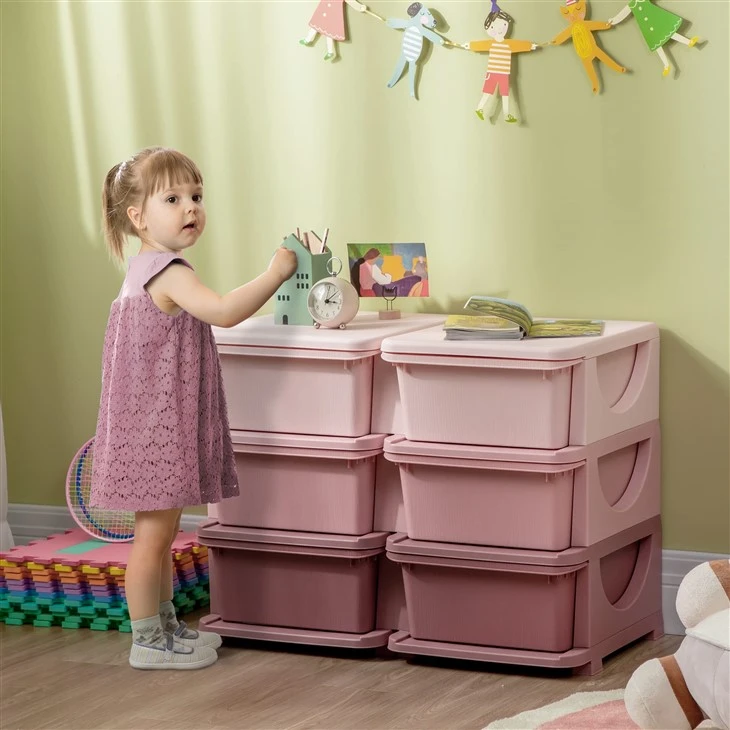
Even in adult - only spaces, unsecured cabinets can be a problem. Earthquakes, accidental bumps, or even the normal wear and tear of opening and closing drawers can cause a cabinet to become unstable and tip. So, whether you have a Plastic Storage Cabinets for Kids, a Kids Storage Cabinet with Drawers, or a Baby Clothes Storage Cabinet, securing it is a must.
Types of Storage Cabinet Tipping Hazards
Before we get into the solutions, it's important to understand the different types of tipping hazards.
Overloading
One of the most common causes of cabinet tipping is overloading. If you stuff too many heavy items into the top drawers or shelves of a cabinet, it can throw off the center of gravity. For example, if you're using a storage cabinet to store books and you stack all the heavy hardcover books on the top shelf, the cabinet becomes top - heavy and more likely to tip.
Improper Installation
If a cabinet isn't installed correctly, it won't be stable. This could mean that it wasn't leveled properly when it was put in place, or that the mounting hardware wasn't used correctly. Wall - mounted cabinets are particularly vulnerable if they're not securely attached to the wall.
Location
Where you place your cabinet also matters. If it's in a high - traffic area where it's likely to get bumped into, or if it's on an uneven surface, the risk of tipping increases.
How to Secure a Storage Cabinet
Now, let's get into the nitty - gritty of how to secure your storage cabinet.
Wall - Mounting
Wall - mounting is one of the most effective ways to secure a storage cabinet. Most cabinets come with pre - drilled holes for wall - mounting hardware. If your cabinet doesn't, you can use a drill to create the necessary holes.
First, find the wall studs. You can use a stud finder to locate them. Once you've found the studs, mark the spots on the wall where you'll attach the cabinet. Then, attach the mounting brackets to the cabinet and align them with the marks on the wall. Use screws to secure the brackets to the wall studs. Make sure the screws are long enough and thick enough to hold the weight of the cabinet.
Anti - Tip Straps
Anti - tip straps are another great option, especially for cabinets that can't be wall - mounted or for those that you want to add an extra layer of security. These straps are usually made of strong nylon or metal and are designed to connect the cabinet to the wall.
To install an anti - tip strap, first, attach one end of the strap to the back of the cabinet. Then, use a drill to create a small hole in the wall at the appropriate height. Insert a wall anchor into the hole, and then attach the other end of the strap to the wall anchor. Make sure the strap is tight so that it can effectively prevent the cabinet from tipping.
Leveling
As I mentioned earlier, an uneven cabinet is more likely to tip. Use a level to check if your cabinet is sitting flat on the floor. If it's not, you can use adjustable feet or shims to level it. Adjustable feet are usually found on the bottom of the cabinet and can be turned to raise or lower that corner of the cabinet. Shims are thin pieces of wood or plastic that you can slide under the cabinet to make it level.
Weight Distribution
To prevent overloading and keep the center of gravity low, pay attention to how you distribute the weight inside the cabinet. Place heavy items on the bottom shelves and drawers, and lighter items on the top. For example, if you're storing tools in a cabinet, put the heavy power tools on the bottom and the smaller hand tools on the top.
Additional Safety Tips
Here are some other safety tips to keep in mind when it comes to your storage cabinets.
Educate Kids
If you have kids in the house, teach them about the danger of climbing on cabinets. Explain to them that cabinets are not for climbing and that they could get hurt if the cabinet tips over.
Regular Inspections
Periodically check your cabinets for signs of wear and tear. Look for loose screws, damaged brackets, or any other issues that could affect the stability of the cabinet. If you notice any problems, fix them right away.
Follow Manufacturer's Instructions
Always follow the manufacturer's instructions when it comes to installation, use, and maintenance of your storage cabinet. They know their product best and can provide valuable guidance on how to keep it safe.
Conclusion
Securing your storage cabinet is a simple but essential step in creating a safe home environment. Whether you have a Plastic Storage Cabinets for Kids, a Kids Storage Cabinet with Drawers, or a Baby Clothes Storage Cabinet, taking the time to properly secure it can prevent serious accidents.
If you're in the market for a new storage cabinet or need advice on how to secure your existing one, don't hesitate to reach out. We're here to help you find the perfect storage solution and ensure that it's safe for your home. Contact us to start a procurement discussion and let's work together to make your space safer and more organized.
References
- Consumer Product Safety Commission (CPSC). Furniture, TV, and Appliance Tip - Over Hazards.
- Manufacturer's installation and user manuals for storage cabinets.