

As a supplier of toddler playground equipment, I understand the paramount importance of safety in these vibrant and energetic spaces. Toddler playgrounds are places of joy, exploration, and development, but they also come with inherent risks. In this blog, I'll share some essential tips on how to prevent injuries in a toddler playground, ensuring that every little one can have a safe and memorable play experience.
1. Choose the Right Equipment
The foundation of a safe toddler playground starts with the equipment you select. When I'm helping customers choose playground equipment, I always emphasize the importance of age - appropriate designs. Toddlers have different physical capabilities and safety needs compared to older children.
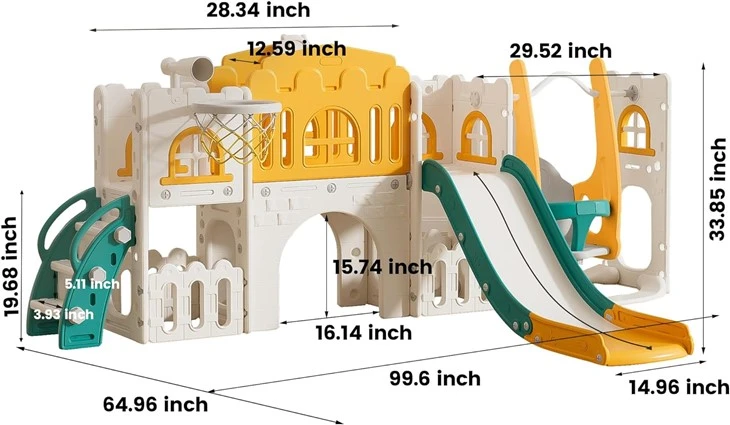
For instance, Indoor Outdoor Slide for Toddlers is a great option. These slides are designed with gentle slopes and low heights, reducing the risk of falls and injuries. They also often have wider steps and handrails to provide better support for little ones as they climb up.
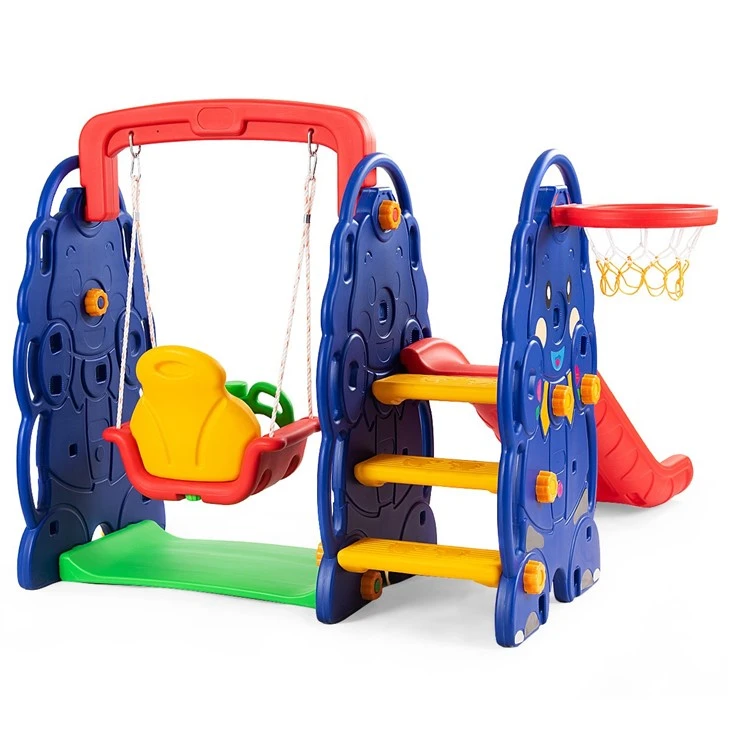
Another popular choice is the Toddler Swing and Slide Set. These sets are specifically crafted for toddlers, with smaller swings that are more stable and a slide that is suitable for their size. The materials used in these sets are also crucial. Look for high - quality, non - toxic plastics and sturdy metal frames that can withstand the active play of toddlers.
The Plastic Swing and Slide is another excellent option. Plastic is a great material for toddler playground equipment as it is lightweight, easy to clean, and less likely to cause splinters or sharp edges. However, make sure the plastic is thick enough and has no weak spots that could break under pressure.
2. Proper Installation
Even the best - designed equipment can pose a risk if it is not installed correctly. When installing playground equipment, it is essential to follow the manufacturer's instructions carefully. I always recommend having a professional installer if you are not experienced in this area.
The ground where the equipment is installed is also a critical factor. For outdoor playgrounds, the surface should be soft and shock - absorbing. Materials like rubber mulch, sand, or artificial turf can help reduce the impact of falls. The surface should be level and free of any rocks, roots, or other hazards.
For indoor playgrounds, a padded floor is necessary. Foam mats or rubber flooring can provide a safe landing surface for toddlers. The equipment should be firmly anchored to the ground or wall to prevent tipping over during play.
3. Regular Maintenance
Regular maintenance is key to keeping a toddler playground safe. Inspect the equipment at least once a week for any signs of wear and tear. Check for loose bolts, cracks in the plastic, or frayed ropes. If you notice any issues, address them immediately.
Clean the equipment regularly to prevent the growth of bacteria and mold. For plastic equipment, a mild soap and water solution can be used. For metal parts, make sure to check for rust and apply a rust - resistant coating if necessary.
The swings should be inspected for proper hanging and the chains or ropes should be in good condition. The slides should be smooth and free of any rough spots or debris that could cause scratches.
4. Supervision
No matter how safe the playground equipment is, adult supervision is essential. Toddlers are still learning about their environment and can make unexpected moves. A responsible adult should always be present to watch over the children.
Adults should also teach toddlers about playground safety rules. For example, teach them to wait their turn on the swings and slides, not to push other children, and to use the equipment as intended. By setting clear rules and enforcing them, you can significantly reduce the risk of injuries.
5. Weather Considerations
Weather can have a significant impact on playground safety. In hot weather, metal and plastic equipment can become very hot and cause burns. Make sure to check the temperature of the equipment before letting toddlers play on it. If it's too hot, wait until it cools down or provide shade over the equipment.
In cold weather, the ground can become slippery, especially if there is ice or snow. Remove any ice or snow from the playground surface and make sure the equipment is dry. Some playground equipment may also become brittle in cold temperatures, so it's important to inspect it more frequently during the winter months.
6. First - Aid Preparedness
Even with all the precautions in place, accidents can still happen. It's important to have a well - stocked first - aid kit on hand at the playground. The first - aid kit should include items such as band - aids, antiseptic wipes, gauze, and pain relievers.
Adults who are supervising the children should also have basic first - aid knowledge. Knowing how to treat minor cuts, scrapes, and bruises can make a big difference in the outcome of an injury.
7. Educate Staff and Parents
If you are running a toddler playground, it's important to educate your staff about playground safety. Staff should be trained on how to inspect the equipment, enforce safety rules, and respond to emergencies.
Parents should also be informed about the safety measures in place at the playground. Provide them with information about the equipment, the safety rules, and what to do in case of an emergency. By working together, we can create a safer environment for toddlers.
Conclusion
Preventing injuries in a toddler playground requires a combination of careful equipment selection, proper installation, regular maintenance, supervision, and preparedness. As a supplier of toddler playground equipment, I am committed to providing high - quality, safe products. If you are interested in purchasing playground equipment for your facility or home, I encourage you to contact us for a consultation. We can help you choose the right equipment based on your specific needs and ensure that it is installed and maintained correctly. Let's work together to create a safe and enjoyable playground for our little ones.
References
- American Academy of Pediatrics. (2017). Playground safety. Pediatrics, 140(6), e20172768.
- Consumer Product Safety Commission. (2020). Playground safety handbook. U.S. Government Publishing Office.
- National Program for Playground Safety. (2019). Best practices for playground safety. Retrieved from the National Program for Playground Safety website.