

Hey there! As a supplier for Toddler Playgrounds, I've seen firsthand how much joy and learning can come from well - organized group activities in these spaces. Toddler playgrounds are more than just a place for kids to have fun; they're a hub for social, physical, and cognitive development. In this blog, I'll share some tips on how to organize group activities in a toddler playground.
Understanding the Toddler Audience
First things first, we need to understand our little participants. Toddlers, typically aged between 1 and 3 years old, have short attention spans. They're also at a stage where they're just starting to understand social cues and interact with their peers. This means our activities need to be short, simple, and engaging.
For example, instead of a long - drawn - out game, a quick round of "Simon Says" can work wonders. You can start with simple actions like "Simon says touch your nose" or "Simon says jump." This not only keeps the kids entertained but also helps them follow instructions and improve their motor skills.
Choosing the Right Equipment
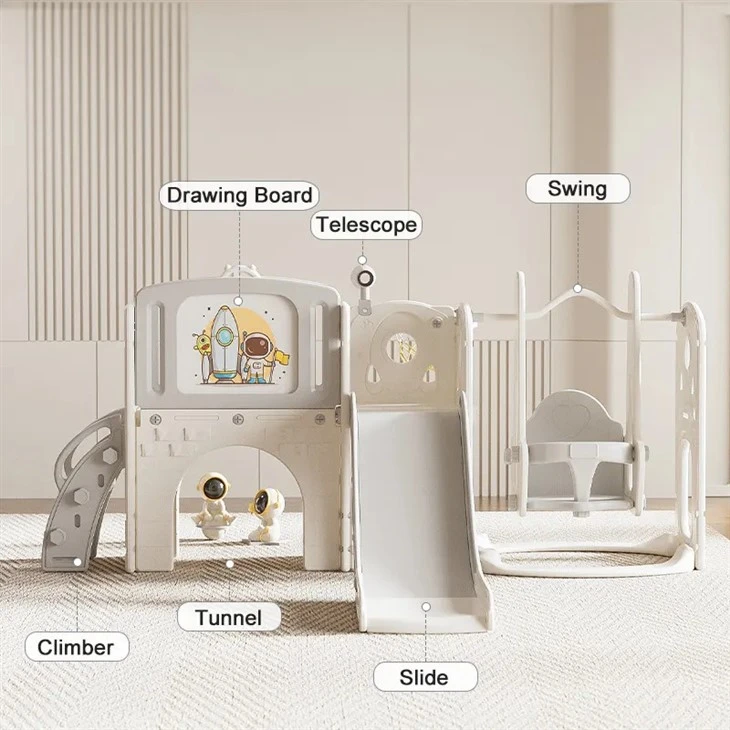
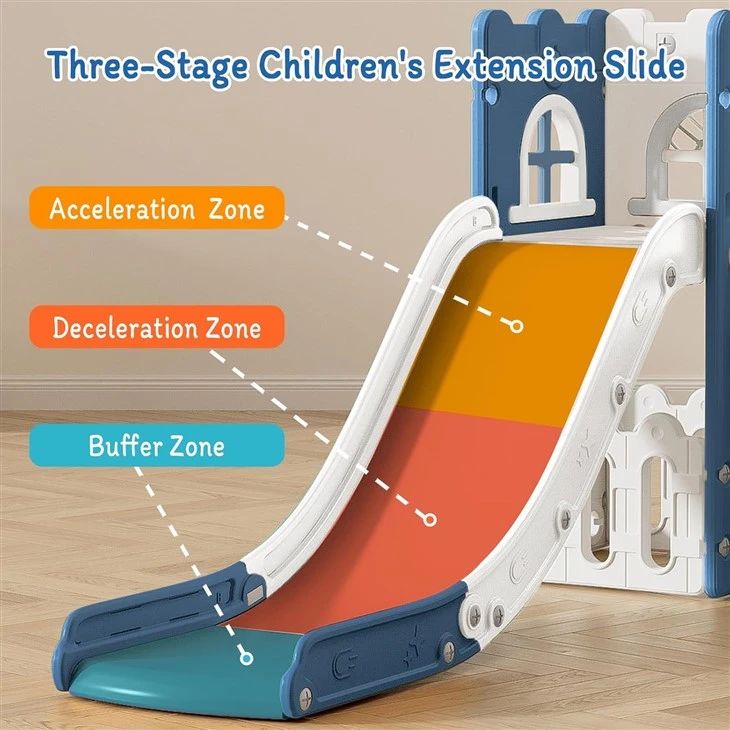
The equipment in your toddler playground plays a crucial role in organizing activities. Our Toddler Slide Set is a great option. It can be used for various group activities. For instance, you can set up a "slide relay." Divide the toddlers into small groups and have them take turns sliding down the slide. This activity encourages turn - taking and a bit of friendly competition.
The Indoor Outdoor Playground is another versatile piece. If it's an indoor playground, you can create an obstacle course using the different structures. Toddlers can crawl through tunnels, climb up small platforms, and then slide down. This helps with their physical development, including balance and coordination.
The Kids Slide Playset is also a hit. You can organize a "slide storytime." Sit at the bottom of the slide and tell a simple story. As the story progresses, have the toddlers take turns sliding down at certain points. This combines the fun of sliding with the educational aspect of listening to a story.
Safety First
Safety is always the top priority when organizing group activities in a toddler playground. Make sure all the equipment is in good condition. Check for any loose parts, sharp edges, or signs of wear and tear regularly.
Before starting an activity, give a brief safety talk to the toddlers in simple terms. For example, say things like "hold the handrail when you climb" or "wait your turn at the slide." You can also have an adult supervisor for each small group to ensure that the kids are following the safety rules.
Incorporating Learning
Toddler playgrounds are a great place to incorporate learning into play. For example, you can use the playground equipment to teach basic colors and shapes. Point to the different parts of the Toddler Slide Set and say, "Look, this part of the slide is red" or "The platform is a square."
You can also introduce simple counting. When setting up the slide relay, count the number of kids in each group or the number of times they slide down. This helps with early math skills development.
Social Skills Development
Group activities in the toddler playground are a fantastic way to develop social skills. Encourage the toddlers to share the equipment. For example, if there's a swing, teach them to take turns and say "please" and "thank you."
You can also organize a "group building" activity. Give the toddlers some soft blocks or small building materials and have them work together to build a tower or a simple structure. This promotes cooperation and communication among the little ones.
Adapting to Different Personalities
Toddlers have different personalities. Some are more outgoing and eager to participate, while others may be a bit shy. As an organizer, it's important to adapt the activities to suit these different personalities.
For the shy toddlers, start with smaller group activities or one - on - one interactions. For example, you can sit with a shy toddler and help them explore the Indoor Outdoor Playground at their own pace. As they become more comfortable, gradually introduce them to larger group activities.
Keeping the Activities Fresh
To keep the toddlers engaged, it's important to keep the activities fresh. Don't do the same thing every time. You can change the theme of the activities based on the season or a special occasion.
For example, around Halloween, you can organize a "spooky playground scavenger hunt." Hide small Halloween - themed items around the playground and have the toddlers search for them. This adds an element of excitement and novelty to the activities.
Staff Training
If you're running a toddler playground and organizing these group activities, it's essential to train your staff. They should know how to handle different situations, from a minor scrape to a tantrum.
Staff should also be well - versed in the activities you plan to organize. They can help facilitate the games, ensure safety, and encourage the toddlers to participate. Regular training sessions can keep the staff updated on the latest best practices for toddler care and activity organization.
Conclusion
Organizing group activities in a toddler playground is a rewarding experience. It not only provides a fun time for the toddlers but also contributes to their overall development. By understanding the needs of toddlers, choosing the right equipment, prioritizing safety, incorporating learning, and promoting social skills, you can create a vibrant and engaging environment.
If you're interested in our playground equipment or have any questions about organizing activities, feel free to reach out to us. We're here to help you create the best toddler playground experience possible.
References
- Berk, L. E. (2018). Infants, Children, and Adolescents. Pearson.
- Frost, J. L., & Wortham, S. C. (2017). Play and Child Development. Cengage Learning.