

Hey there! As a storage cabinet supplier, I've seen firsthand how a cluttered cabinet can drive you nuts. Whether it's in your home, office, or even a kids' playroom, optimizing storage space is always a hot topic. So, I'm here to share some tips and tricks on how to make the most out of your cabinet space.
1. Assess Your Needs
Before you start organizing, take a good look at what you need to store. Are you dealing with clothes, tools, or maybe Children Toys Storage Cabinets? Different items require different storage solutions. For instance, if you're storing clothes, you might need hanging rods, shelves, and drawers. On the other hand, if it's tools, you'll probably want pegboards and tool holders.
Make a list of all the items you want to store in the cabinet. This will help you understand the quantity and size of the items, which is crucial for planning the layout.
2. Measure Your Cabinet
Once you know what you're storing, it's time to measure your cabinet. Get the height, width, and depth of the cabinet. These measurements will help you choose the right storage accessories that fit perfectly. You don't want to buy a shelf that's too wide or a drawer that's too deep for your cabinet.
Also, pay attention to any irregularities in the cabinet, like corners, dividers, or built - in features. These can either be obstacles or opportunities for creative storage solutions.
3. Choose the Right Storage Accessories
There are tons of storage accessories out there, and picking the right ones can make a world of difference.
Shelving
Shelves are a classic storage solution. You can install adjustable shelves to customize the height between each level according to your needs. If you're short on space, consider adding floating shelves or pull - out shelves. Floating shelves give the illusion of more space, while pull - out shelves make it easier to access items at the back of the cabinet.
Drawers
Drawers are great for storing smaller items that you want to keep organized. You can use drawer dividers to separate different types of items, like socks and underwear in a dresser or small tools in a workbench cabinet.
Hanging Racks
Hanging racks are ideal for items like coats, ties, or even pots and pans in a kitchen cabinet. You can install them on the inside of cabinet doors or on the walls of the cabinet.
Baskets and Bins
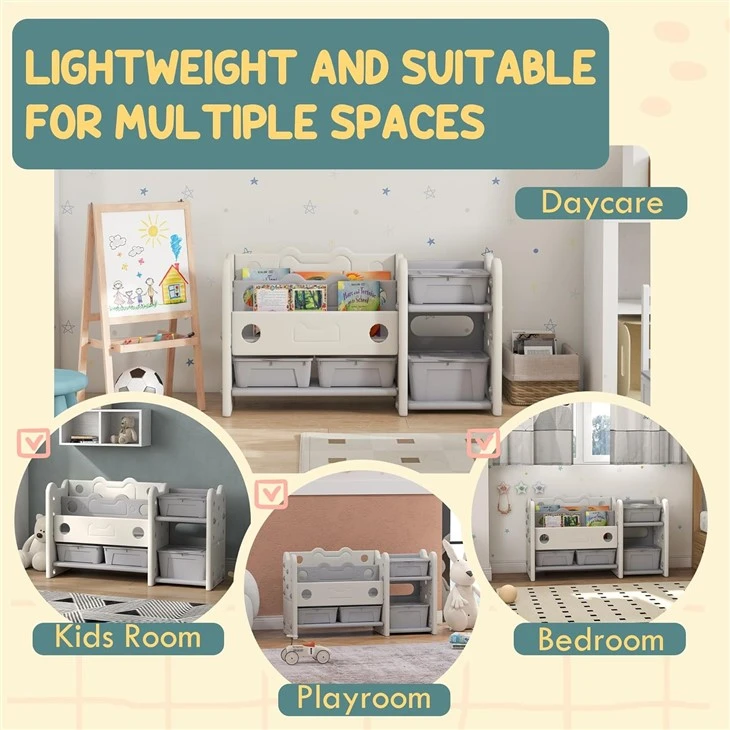
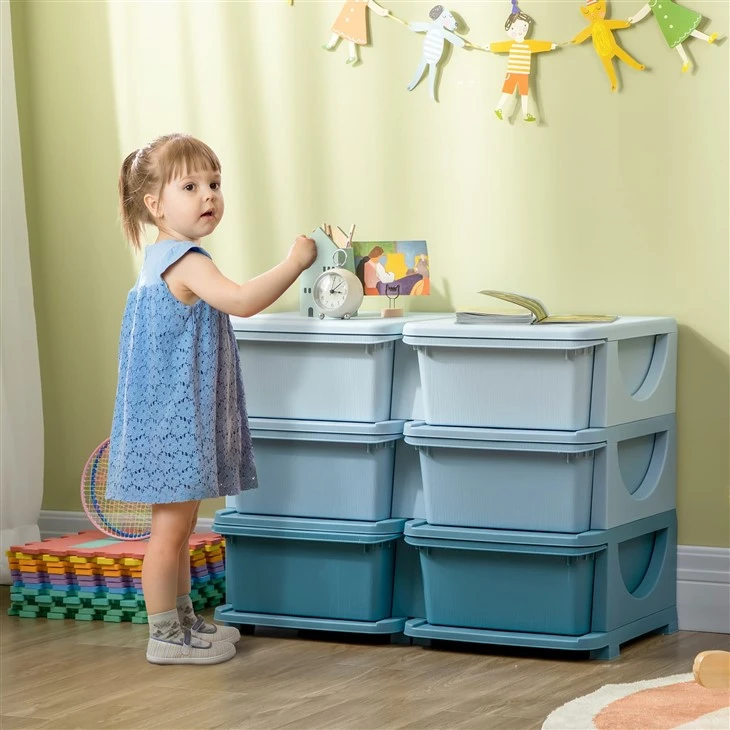
Baskets and bins are perfect for storing loose items. They come in various sizes and materials, such as plastic, wicker, or fabric. Use them to store toys, magazines, or cleaning supplies. For kids, you might want to check out Plastic Children Toy Shelf which often come with built - in bins or baskets.
4. Organize by Category
Group similar items together. For example, in a kitchen cabinet, keep all the baking supplies in one area, spices in another, and canned goods in a third. This makes it easier to find what you're looking for. In a kids' room, you can group toys by type, like stuffed animals, building blocks, and action figures.
Labeling is also a great idea. You can use sticky labels or a label maker to mark the contents of each shelf, drawer, or bin. This is especially helpful if multiple people use the cabinet.
5. Utilize Vertical Space
Don't just focus on the floor space of your cabinet. Use the vertical space as well. Install tall shelves or stack bins on top of each other. You can also use wall - mounted organizers to free up floor space. For example, in a bathroom cabinet, you can hang a toothbrush holder or a soap dispenser on the inside of the door.
6. Consider the Frequency of Use
Arrange items based on how often you use them. Keep the items you use most frequently at eye level or within easy reach. Items that you use less often can be stored on the top or bottom shelves. For instance, in a kitchen, keep your everyday dishes and utensils at an accessible height, while seasonal cookware can be stored on a higher shelf.
7. Keep It Tidy
Regularly declutter your cabinet. Get rid of items that you no longer need or use. This will prevent the cabinet from getting overcrowded again. Set a schedule, like once a month or once a season, to go through the cabinet and remove any unnecessary items.
8. Special Considerations for Different Types of Cabinets
Bedroom Cabinets
In a bedroom, you might have a wardrobe for clothes. Use hanging organizers for belts, ties, and scarves. You can also use under - bed storage containers for items like extra blankets or out - of - season clothes. And if you have a baby, Baby Storage Cabinet can be a great addition to keep all the baby essentials organized.
Kitchen Cabinets
Kitchen cabinets can be a challenge to organize due to the variety of items. Use lazy Susans in corner cabinets to make it easier to access items at the back. You can also install pot and pan organizers to keep your cookware in order.
Office Cabinets
In an office cabinet, use file organizers to keep your documents in order. You can also add cable management solutions to keep cords and wires from getting tangled.
Contact for Purchase and洽谈
If you're interested in optimizing your storage space with high - quality storage cabinets, we're here to help. Our team can provide you with a wide range of storage cabinet options and professional advice on how to make the most of your space. Whether you need a cabinet for your home, office, or kids' room, we've got you covered. Reach out to us, and let's start the conversation about finding the perfect storage solution for you.
References
- "The Complete Guide to Home Organization" by Peter Walsh
- "Organizing for Dummies" by Kathy Peel