

Measuring the height of a jumping board is a crucial task, especially for a supplier like me. The accurate height measurement not only ensures the safety of the users but also affects the performance and functionality of the jumping board. In this blog, I will share some effective methods to measure the height of a jumping board and explain why these measurements matter.
Why Measuring the Height of a Jumping Board is Important
Before diving into the measurement methods, let's understand why measuring the height of a jumping board is so important. For kids using the jumping board for Autisms Kids Sensory Integration Training, the height can significantly impact the sensory experience. A proper height allows kids to have a comfortable and effective jumping motion, which is essential for their sensory development.
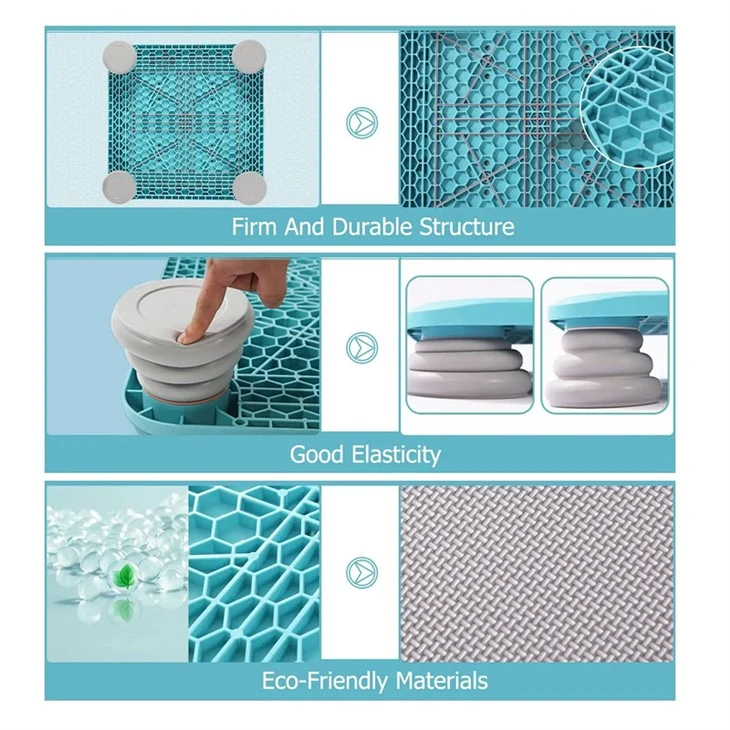
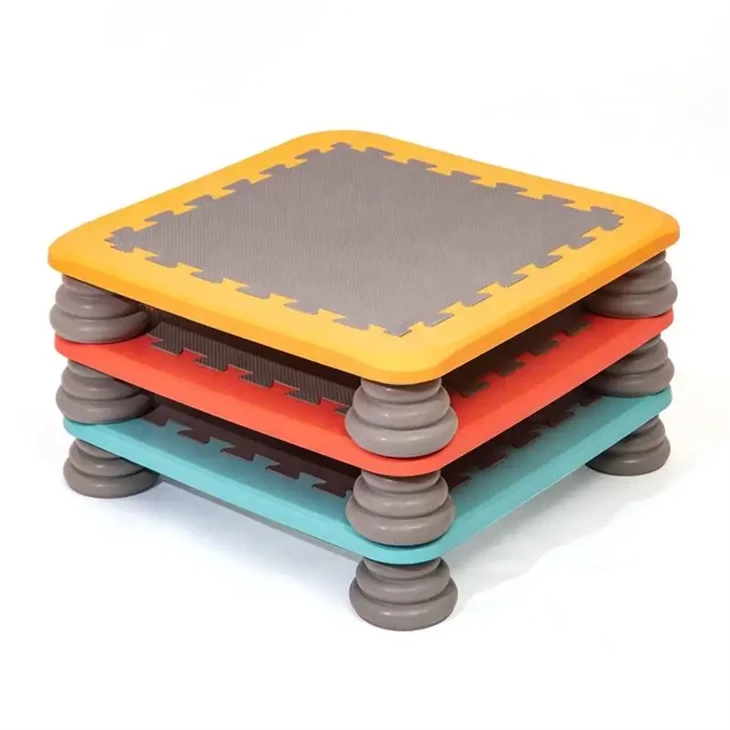
Moreover, different types of jumping boards, such as Jumping Hopping Toys and Toddler Bouncing Board, have specific height requirements. If the height is too high, it may pose a safety risk, especially for toddlers. On the other hand, if the height is too low, the jumping board may not provide enough bounce and excitement, reducing its attractiveness to users.
Methods to Measure the Height of a Jumping Board
Method 1: Using a Measuring Tape
The simplest and most common method to measure the height of a jumping board is by using a measuring tape. Here are the steps:
- Prepare the Measuring Tape: Make sure you have a long enough measuring tape. A tape measure of at least 6 feet is usually sufficient for most jumping boards.
- Position the Jumping Board: Place the jumping board on a flat and level surface. This ensures that the measurement is accurate and not affected by an uneven ground.
- Measure from the Ground to the Top Surface: Start the measuring tape at the ground level and extend it vertically to the top surface of the jumping board. Make sure the tape is straight and not bent or twisted. Read the measurement at the point where the tape meets the top of the jumping board.
This method is straightforward and can provide a relatively accurate measurement. However, it may be a bit challenging to hold the tape perfectly vertical, especially if you are measuring alone.
Method 2: Using a Laser Distance Measurer
If you want a more precise and convenient measurement, you can use a laser distance measurer. Here's how:
- Turn on the Laser Distance Measurer: Follow the instructions of the device to turn it on and set it to the appropriate mode for measuring height.
- Aim at the Top of the Jumping Board: Stand at a suitable distance from the jumping board and aim the laser beam at the top surface of the jumping board. Make sure the laser is hitting the exact point you want to measure.
- Take the Measurement: Press the measurement button on the device, and it will display the distance from the device to the top of the jumping board. This measurement is usually very accurate, with an error margin of only a few millimeters.
Using a laser distance measurer is faster and more accurate than using a measuring tape. It also eliminates the need to hold the tape vertically, making it easier to measure alone. However, laser distance measurers can be more expensive than measuring tapes.
Method 3: Using a Level and a Ruler
Another method to measure the height of a jumping board is by using a level and a ruler. Here are the steps:
- Place the Level on the Jumping Board: Put a spirit level on the top surface of the jumping board to ensure it is horizontal. If the level is not horizontal, adjust the position of the jumping board until it is.
- Measure the Distance from the Ground to the Level: Use a ruler to measure the vertical distance from the ground to the bottom of the level. This measurement represents the height of the jumping board.
This method is useful when you don't have a measuring tape or a laser distance measurer. It also provides a relatively accurate measurement, especially if the jumping board is on a flat surface.
Factors to Consider When Measuring the Height of a Jumping Board
When measuring the height of a jumping board, there are several factors you need to consider to ensure the accuracy of the measurement:
- Surface Flatness: As mentioned earlier, the jumping board should be placed on a flat and level surface. An uneven surface can affect the measurement and make it inaccurate.
- Measurement Point: Make sure you are measuring from the correct point. For most jumping boards, the height is measured from the ground to the top surface of the board. However, some jumping boards may have specific measurement points, such as the center of the board or the highest point of the bounce.
- Bounce and Compression: Some jumping boards may compress or bounce when a person stands on them. To get an accurate measurement, it is recommended to measure the height when the jumping board is in a static state, without any external force applied.
The Importance of Accurate Height Measurement for Our Jumping Boards
As a jumping board supplier, I understand the importance of accurate height measurement. Our jumping boards are designed to meet the specific needs of different users, including kids for sensory integration training and toddlers for bouncing fun. By ensuring the accurate height of our jumping boards, we can provide a safe and enjoyable experience for our customers.
Moreover, accurate height measurement also helps us maintain the quality and consistency of our products. We can use the measurement data to ensure that each jumping board meets our strict quality standards. This not only enhances customer satisfaction but also builds a good reputation for our brand.
Conclusion
Measuring the height of a jumping board is a critical step in ensuring its safety, performance, and functionality. Whether you are a supplier like me or a user, understanding the importance of height measurement and using the right methods can make a big difference.
If you are interested in our high - quality jumping boards, which are carefully designed and measured to meet the highest standards, please feel free to contact us for procurement and further discussions. We are committed to providing the best products and services to our customers.
References
- "Safety Standards for Children's Play Equipment", National Recreation and Park Association
- "Sensory Integration: Theory and Practice", Ayres, A. Jean