

Hey there! As a supplier of kids scooters, I've seen firsthand how much joy these little rides bring to our young ones. But one thing that often concerns parents and kids alike is the stability of the scooter, especially when taking turns. In this blog, I'm gonna share some tips on how to make a kids scooter more stable on turns.
Choose the Right Scooter
First things first, picking the right scooter is crucial. Not all scooters are created equal, and some are better designed for stability than others.
Deck Size and Shape
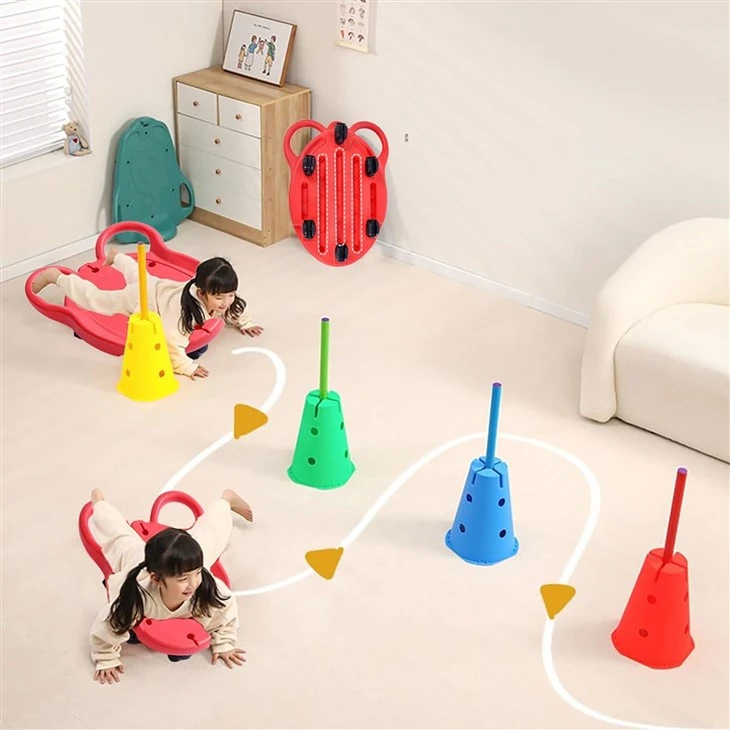
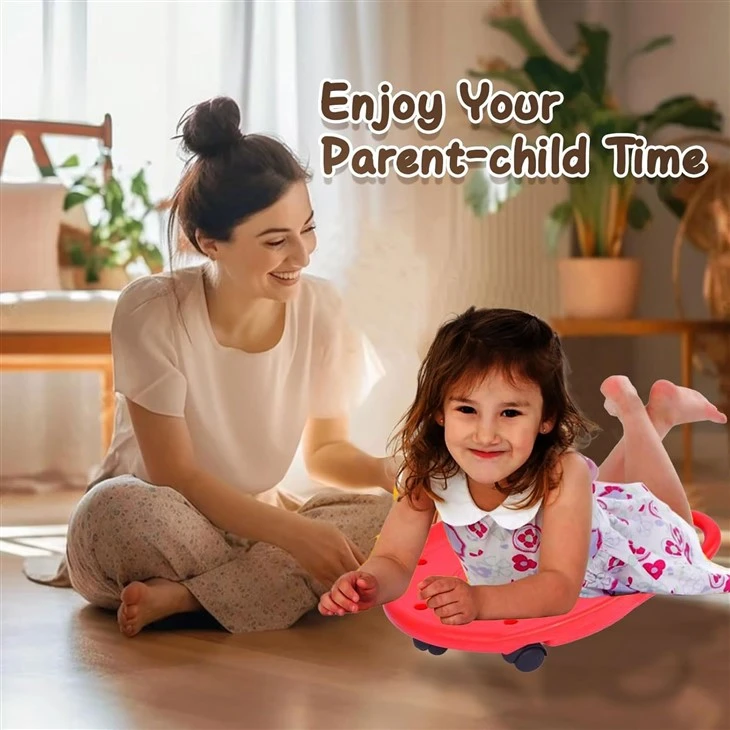
A wider deck generally provides more stability. When a kid stands on a wider deck, they have a larger base of support, which helps them keep their balance during turns. For example, our Plastic Floor Scooter Board has a relatively wide deck that gives kids more room to place their feet securely.
The shape of the deck also matters. A concave deck can help the rider grip the scooter better with their feet. It allows for a more natural and stable stance, making it easier to control the scooter when turning.
Wheel Size and Type
Bigger wheels tend to offer more stability. They roll over bumps more smoothly and provide a more stable ride overall. Larger wheels also have a greater contact area with the ground, which can improve traction during turns.
In terms of wheel type, polyurethane wheels are a popular choice. They offer good grip and durability. Our Kids Sitting Scooter Board comes with high - quality polyurethane wheels that provide excellent traction, helping kids stay stable when making turns.
Adjust the Scooter
Once you've chosen the right scooter, you can make some adjustments to enhance its stability on turns.
Tighten the Trucks
The trucks are the parts of the scooter that connect the wheels to the deck. Loose trucks can make the scooter feel wobbly, especially when turning. You can use a wrench to tighten the trucks slightly. However, don't over - tighten them, as this can make the scooter difficult to turn. A good rule of thumb is to find a balance where the scooter is stable but still allows for easy turning.
Check the Handlebar Height
The handlebar height should be adjusted to fit the child's height. If the handlebars are too low, the child may have to hunch over, which can affect their balance. On the other hand, if the handlebars are too high, it can be difficult for the child to control the scooter. Make sure the handlebars are at a comfortable height so that the child can hold them easily and maintain a stable posture while turning.
Teach Proper Riding Techniques
Even with the most stable scooter, proper riding techniques are essential for safe and stable turns.
Lean into the Turn
When taking a turn, teach the child to lean into the turn. This shifts their weight in the direction of the turn, which helps the scooter stay balanced. For example, if they're turning to the right, they should lean their body slightly to the right. It might take a few tries for them to get the hang of it, but with practice, they'll be able to make smooth and stable turns.
Use the Brakes Wisely
The brakes on a kids scooter are not just for stopping. They can also be used to control the speed during turns. If the child is going too fast into a turn, they can gently apply the brakes to slow down a bit. This reduces the risk of the scooter tipping over during the turn.
Maintenance
Regular maintenance of the scooter is important to keep it in good condition and ensure its stability.
Check the Wheels Regularly
Inspect the wheels for any signs of wear and tear. Worn - out wheels can reduce traction and make the scooter less stable. If the wheels are damaged or have low tread, it's time to replace them.
Keep the Scooter Clean
Dirt and debris can accumulate on the scooter, especially in the moving parts like the trucks and the wheels. Clean the scooter regularly to prevent any build - up that could affect its performance. A clean scooter is more likely to operate smoothly and provide a stable ride.
Accessories for Added Stability
There are also some accessories that can help make the scooter more stable on turns.
Training Wheels
For younger or less experienced riders, training wheels can be a great addition. They provide extra support and stability, especially when the child is learning to make turns. Once the child gains more confidence and skill, the training wheels can be removed.
Anti - Slip Grips
Adding anti - slip grips to the deck can improve the child's grip on the scooter. This is especially useful during turns when the child needs to maintain a stable stance.
In conclusion, making a kids scooter more stable on turns involves a combination of choosing the right scooter, making adjustments, teaching proper riding techniques, regular maintenance, and using accessories. As a kids scooter supplier, I'm always here to help you find the best scooter for your child and provide advice on how to keep it in top condition.
If you're interested in purchasing high - quality kids scooters, whether it's our Plastic Floor Scooter Board, Kids Sitting Scooter Board, or Scooter Board for Kids, feel free to reach out to us for more information and to discuss your purchasing needs. We're looking forward to working with you to make sure your kids have a safe and fun riding experience!
References
- General knowledge from years of experience in the kids scooter industry.
- Observations from customer feedback on scooter performance.