

Hey there! As a supplier of plastic toy shelves, I've seen firsthand how important it is to keep these shelves in tip - top shape. Not only does proper maintenance make the shelves look good, but it also extends their lifespan, ensuring that your little ones can enjoy a tidy and organized toy storage solution for years to come. So, let's dive into how you can maintain a plastic toy shelf.
Regular Cleaning
The first step in maintaining a plastic toy shelf is regular cleaning. Dirt, dust, and grime can build up over time, making the shelf look dull and unappealing. To clean your plastic toy shelf, start by removing all the toys from it. This will give you a clear surface to work on.
You can use a mild soap and warm water solution for cleaning. Dip a soft cloth or sponge into the soapy water and gently wipe down the entire surface of the shelf. Make sure to get into all the nooks and crannies, especially where toys are often placed. Avoid using abrasive cleaners or scrubbers, as they can scratch the plastic surface. Scratches not only make the shelf look bad but can also provide a breeding ground for bacteria.
After wiping the shelf with the soapy water, rinse it thoroughly with clean water. You can use a separate clean cloth to dry the shelf completely. This helps prevent water spots and also stops any potential mold growth. If there are any stubborn stains on the shelf, you can try using a mixture of baking soda and water. Just make a paste, apply it to the stain, and let it sit for a few minutes before wiping it off.
Organizing Toys
Proper organization of toys on the shelf is not only about aesthetics but also plays a role in maintaining the shelf. When toys are haphazardly thrown onto the shelf, it can put uneven pressure on different parts of the shelf, leading to warping or damage over time.
Sort the toys into categories. You can group them by type, like stuffed animals, action figures, or board games. Then, assign specific sections of the shelf to each category. This makes it easier for kids to find their toys and also distributes the weight evenly across the shelf.
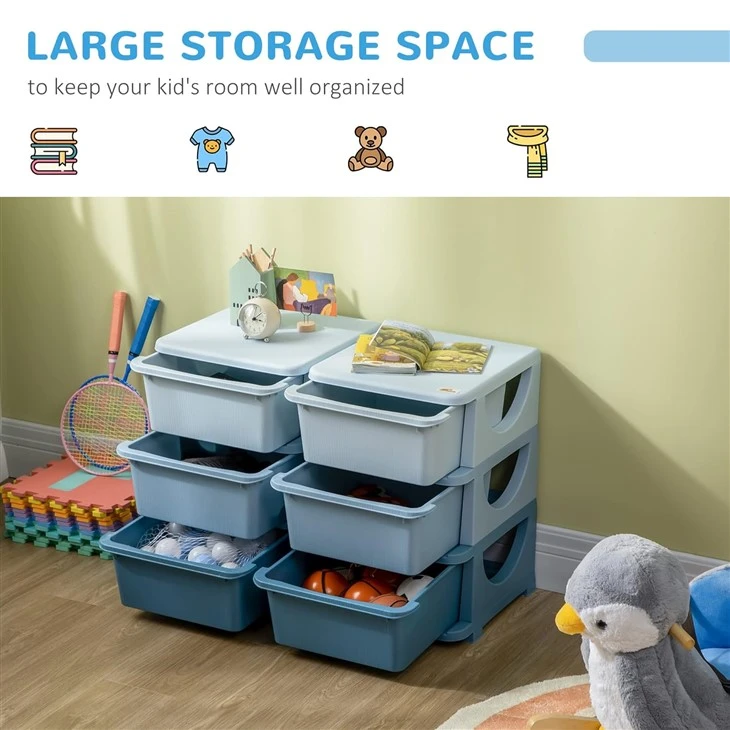
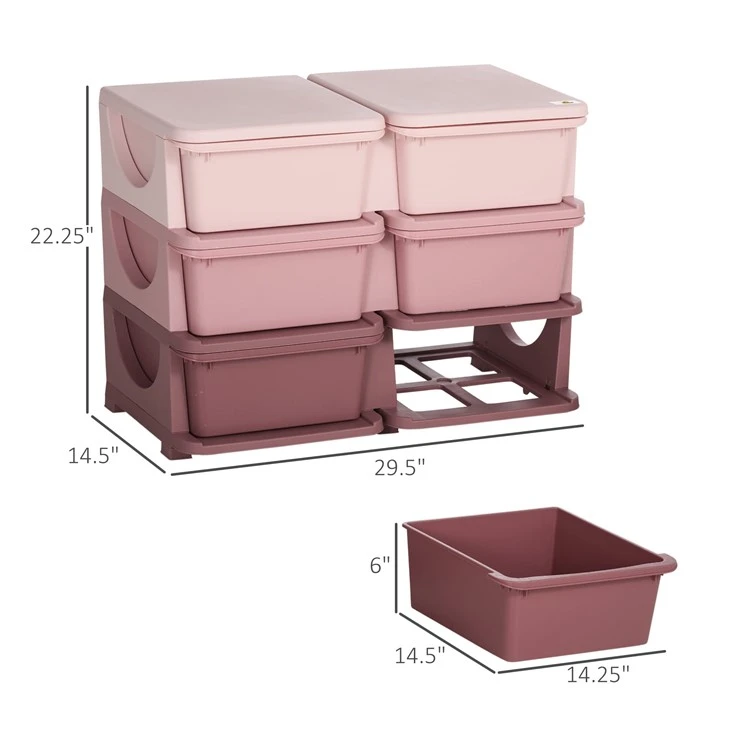
If you have larger toys, place them on the bottom shelves. These shelves are usually sturdier and can handle more weight. Smaller toys can go on the upper shelves. You can also use storage bins or baskets to keep smaller items organized. This not only makes the shelf look neater but also protects the plastic surface from being scratched by small, sharp - edged toys. Check out our Plastic Children Toy Shelf for some great options that are designed for easy organization.
Avoiding Overloading
One of the biggest mistakes people make is overloading the plastic toy shelf. Plastic has its limits, and if you put too many heavy toys on it, the shelf can break or sag. Always check the weight capacity of your plastic toy shelf. This information is usually provided by the manufacturer.
When adding toys to the shelf, be mindful of how much weight you're putting on each shelf. If you notice that a particular shelf is starting to sag, remove some of the heavier items. You might also want to consider upgrading to a sturdier shelf if you have a large collection of heavy toys. Our Children Toys Storage Cabinets offer different weight capacities to suit your needs.
Protecting from Sunlight
Sunlight can be a plastic toy shelf's enemy. Prolonged exposure to direct sunlight can cause the plastic to fade, become brittle, and crack. If possible, place the toy shelf in an area where it won't be exposed to direct sunlight for long periods.
If you don't have much choice in terms of placement, you can use curtains or blinds to block out the sunlight during the brightest parts of the day. Another option is to use a UV - protective spray on the plastic shelf. This can help reduce the damage caused by UV rays.
Checking for Damage
Regularly inspect the plastic toy shelf for any signs of damage. Look for cracks, chips, or loose parts. If you find a small crack, you can try using a plastic adhesive to fix it. Make sure to follow the instructions on the adhesive carefully.
For more significant damage, it might be time to replace the damaged part or the entire shelf. Ignoring damage can lead to further problems, such as the shelf collapsing and potentially harming your child. Our Plastic Storage Cabinets for Kids are made from high - quality plastic, but even the best - made products can sometimes get damaged.
Dealing with Odors
Sometimes, plastic toy shelves can develop unpleasant odors, especially if they're in a damp or poorly ventilated area. To get rid of odors, you can place an open box of baking soda on the shelf. Baking soda is a natural deodorizer and can absorb bad smells.
You can also use a mixture of vinegar and water to wipe down the shelf. Vinegar has antibacterial properties and can help eliminate odors. Just make sure to rinse the shelf thoroughly after using the vinegar solution to avoid leaving a strong vinegar smell.
Lubricating Moving Parts
If your plastic toy shelf has any moving parts, like drawers or doors, it's important to lubricate them regularly. Over time, these parts can become stiff and difficult to open or close. You can use a silicone - based lubricant for this purpose.
Apply a small amount of the lubricant to the hinges, tracks, or other moving parts. Then, open and close the drawers or doors a few times to distribute the lubricant evenly. This will keep the moving parts working smoothly and prevent them from getting damaged.
Storing During Off - Season
If you have a seasonal collection of toys, like Christmas or Halloween toys, you might want to store them during the off - season. When storing toys, make sure to clean them first to prevent dirt and dust from accumulating on the shelf.
You can use storage containers to keep the toys organized. Place the containers on the shelf in an orderly manner. If you're not going to use the shelf for an extended period, you can cover it with a plastic sheet to protect it from dust and damage.
In conclusion, maintaining a plastic toy shelf is not that difficult. By following these simple steps, you can keep your shelf looking great and functioning well for a long time. Whether you're a parent looking to keep your child's toys organized or a retailer interested in stocking high - quality plastic toy shelves, we've got you covered.
If you're interested in purchasing our plastic toy shelves or have any questions about our products, feel free to reach out. We're always happy to discuss your needs and help you find the perfect storage solution for your toys.
References
- General knowledge on plastic product maintenance
- Experience as a plastic toy shelf supplier