

As a supplier of kindergarten tables, I understand the utmost importance of maintaining a hygienic environment for young children. These little ones are just beginning to explore the world around them and are highly susceptible to germs and bacteria. A clean and hygienic table not only helps prevent the spread of illnesses but also provides a safe and comfortable space for learning and play. In this blog post, I will share some valuable insights on how to ensure a kindergarten table is hygienic.
Selecting the Right Materials
The first step in ensuring a hygienic kindergarten table is choosing the right materials. Look for tables made from non - porous materials such as high - pressure laminate or stainless steel. Non - porous surfaces are much easier to clean and disinfect compared to porous materials like wood, which can absorb spills and harbor bacteria.
High - pressure laminate is a popular choice for kindergarten tables. It is durable, resistant to scratches, and can be easily wiped clean with a damp cloth and a mild detergent. Stainless steel is another excellent option. It is not only hygienic but also very sturdy, making it ideal for a busy kindergarten environment.
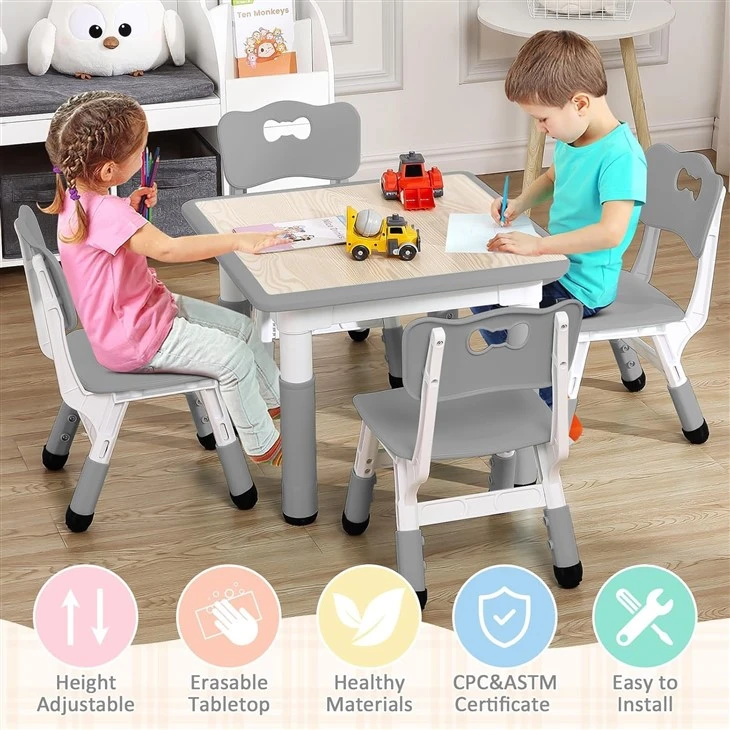
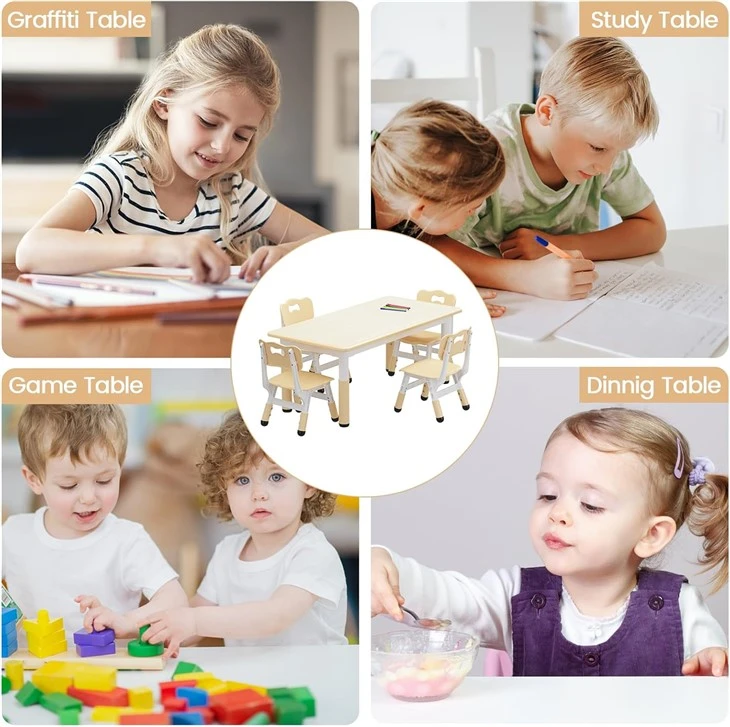
When considering purchasing kindergarten tables, you may be interested in our Kids Table and Chairs Set and Preschool Tables and Chairs for Kids, which are made from high - quality, hygienic materials.
Regular Cleaning Routine
Establishing a regular cleaning routine is essential for maintaining a hygienic kindergarten table. Here is a step - by - step guide on how to clean a kindergarten table effectively:
- Daily Cleaning: At the end of each day, wipe down the table surface with a damp cloth and a mild, non - toxic detergent. This will remove any dirt, food particles, or spills that have accumulated throughout the day. Pay special attention to the edges and corners of the table, as these areas can easily trap debris.
- Deep Cleaning: Once a week, perform a deep clean of the table. Use a disinfectant solution that is approved for use in educational settings. Make sure to follow the manufacturer's instructions on the disinfectant product, including the required contact time. After applying the disinfectant, let it sit on the table surface for the recommended amount of time before wiping it off with a clean, damp cloth.
Dealing with Spills Immediately
Spills are inevitable in a kindergarten environment. Whether it is a glass of milk, a plate of snacks, or paint from an art project, it is crucial to clean up spills immediately. The longer a spill sits on the table, the more likely it is for bacteria to grow.
When a spill occurs, use a clean cloth or paper towel to blot up as much of the liquid as possible. Then, clean the area with a mild detergent and water. If the spill is a sticky substance like glue or syrup, you may need to use a little more elbow grease to remove it completely.
Preventing Cross - Contamination
In a kindergarten, many children use the same tables throughout the day. To prevent cross - contamination, it is important to implement some simple practices:
- Individual Work Areas: If possible, assign each child their own work area on the table. This can help reduce the spread of germs from one child to another. You can use colored tape or placemats to mark off individual spaces.
- Cleaning of Utensils and Supplies: Ensure that all utensils, such as forks, spoons, and cups, are cleaned and sanitized after each use. Also, regularly clean art supplies like paintbrushes, crayons, and scissors that are used on the tables.
Sanitizing Surfaces
Sanitizing is a crucial step in ensuring a hygienic kindergarten table. A sanitizer can reduce the number of bacteria on the surface to a safe level. There are many commercial sanitizers available on the market that are specifically designed for use in educational and child - care settings.
When using a sanitizer, make sure to apply it evenly across the entire table surface. Use a clean cloth or a spray bottle to distribute the sanitizer. After applying the sanitizer, let it air - dry. Do not wipe it off immediately, as this may reduce its effectiveness.
Staff Training
Proper staff training is essential for maintaining a hygienic environment in the kindergarten. Teachers and caregivers should be trained on the correct methods of cleaning and disinfecting the tables. They should also be educated about the importance of preventing cross - contamination and how to handle spills and other hygiene - related issues.
Regular staff training sessions should be conducted to ensure that all employees are up - to - date with the latest hygiene practices and procedures. This will help create a culture of hygiene in the kindergarten and ensure the well - being of the children.
Inspecting the Tables Regularly
Regular inspections of the kindergarten tables are necessary to identify any potential hygiene issues. Check the tables for signs of wear and tear, such as cracks, chips, or loose parts. These areas can collect dirt and bacteria and may need to be repaired or replaced.
Inspect the table legs and supports to ensure they are stable. A wobbly table can pose a safety hazard and may also be more difficult to keep clean. If any problems are identified during the inspection, take immediate action to address them.
Choosing the Right Size and Design
The size and design of the kindergarten table can also impact its hygiene. Choose tables that are the appropriate size for the children. Tables that are too large or too small can make it difficult for children to use them properly and can also make cleaning more challenging.
Opt for tables with smooth edges and minimal crevices or joints. These features make it easier to clean the table thoroughly and prevent the accumulation of dirt and bacteria. Our School Tables and Chairs are designed with these considerations in mind, providing a clean and hygienic solution for your kindergarten.
Conclusion
Ensuring a hygienic kindergarten table is a multi - faceted process that involves selecting the right materials, establishing a regular cleaning routine, preventing cross - contamination, and proper staff training. By following these guidelines, you can create a safe and healthy environment for the children in your kindergarten.
If you are in the market for high - quality, hygienic kindergarten tables, we are here to help. Our range of products is designed to meet the needs of modern kindergartens, providing both functionality and hygiene. Contact us today to discuss your requirements and start a procurement negotiation.
References
- American Academy of Pediatrics. (2018). Caring for Our Children: National Health and Safety Performance Standards; Guidelines for Out - of - Home Child Care Programs.
- Centers for Disease Control and Prevention. (2020). Environmental Cleaning and Disinfection Recommendations for Child Care Programs.