

As a supplier of toddler playground equipment, I've witnessed firsthand the transformative power of well - designed play spaces in fostering social development among toddlers. In this blog, I'll share some effective strategies on how to encourage toddlers to socialize in a playground, drawing on both my industry experience and relevant research.
Create an Inviting Environment
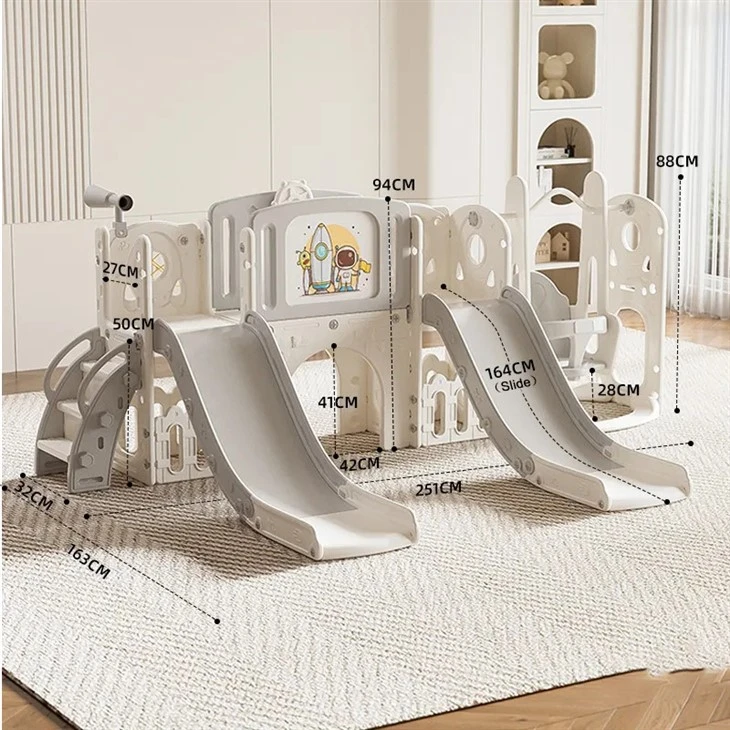
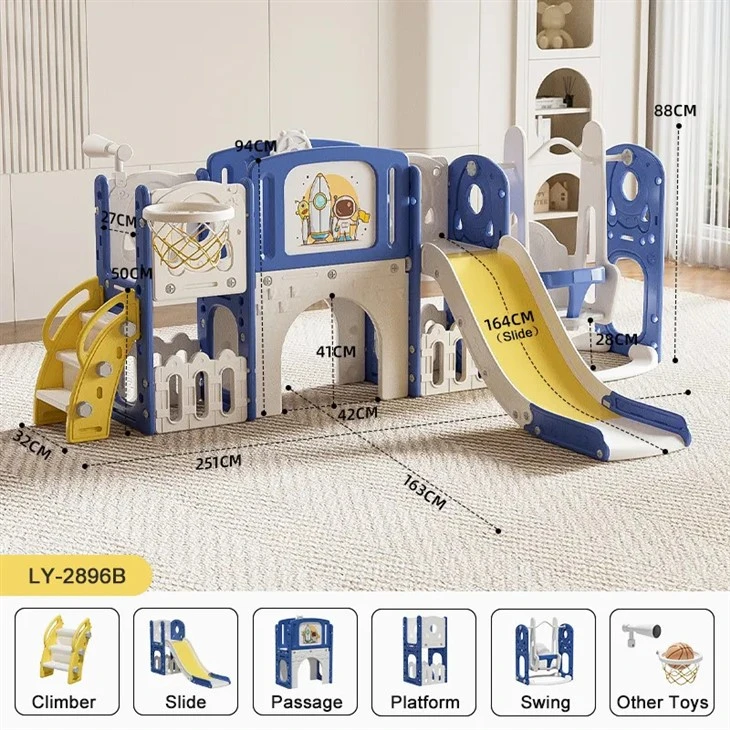
The first step in encouraging social interaction is to provide a playground that is appealing and safe for toddlers. Our Toddler Slide Set and Toddler Swing and Slide Set are designed with bright colors, soft edges, and age - appropriate features. These elements not only attract toddlers but also give them a sense of security, making them more likely to explore and engage with others.
A diverse range of play equipment is also crucial. For example, having both individual play items like small slides and group - oriented equipment such as a multi - user climbing structure can cater to different play styles. Toddlers who are initially shy may start by playing on their own and gradually observe and join other children as they feel more comfortable. Our Indoor Outdoor Playground offers a variety of play options, allowing toddlers to experience different types of social interactions, whether it's sharing a swing or collaborating on a pretend play scenario.
Facilitate Early Interactions
When toddlers first arrive at the playground, it can be helpful to introduce them to other children. As a playground supervisor or a parent, you can start simple conversations. For instance, you might say, "Look, that little boy is playing with the ball. Do you want to go and say hi?" This gentle nudge can break the ice and encourage toddlers to initiate contact.
Organizing simple group activities can also be effective. For example, setting up a short game of "follow the leader" around the playground equipment. This activity not only gets the toddlers moving but also teaches them the concept of taking turns and following rules. It provides a structured way for them to interact with their peers in a fun and non - threatening environment.
Teach Social Skills
Toddlers are at a stage where they are just beginning to understand social norms. It's important to teach them basic social skills such as sharing, taking turns, and using kind words. When you see a toddler having trouble sharing a piece of equipment, you can gently intervene and model the correct behavior. Say something like, "Let's wait for a little bit. When he's done, it will be your turn."
Praise is also a powerful tool. When a toddler shares or helps another child, immediately give positive feedback. For example, "You were so kind to let your friend go first on the slide. That makes everyone happy!" This positive reinforcement encourages them to repeat these social behaviors in the future.
Encourage Pretend Play
Pretend play is a wonderful way for toddlers to socialize. It allows them to step into different roles and create their own stories. You can set up a pretend play area in the playground, such as a small "café" with toy cups and plates. Toddlers can then take on the roles of a waiter, a customer, or a chef.
During pretend play, they learn to communicate, negotiate, and cooperate. For example, they might have to decide who gets to be the chef first or what food to "serve." This type of imaginative play not only enhances their social skills but also stimulates their cognitive and language development.
Be a Positive Role Model
Toddlers learn a great deal by observing the adults around them. As a playground supervisor or a parent, your behavior sets an example for the children. Be friendly, inclusive, and respectful when interacting with other adults and children at the playground.
Show empathy when a toddler gets hurt or is upset. Comfort the child and encourage other toddlers to do the same. For example, you can say, "Look, he fell down and got a little ouch. Let's all give him a hug to make him feel better." This teaches toddlers the importance of caring for others and builds a sense of community in the playground.
Overcome Shyness and Fear
Some toddlers may be naturally shy or have a fear of new environments or other children. In these cases, it's important to be patient and understanding. Don't force the child to interact but instead provide support and encouragement.
You can start by engaging the shy toddler in an activity that they enjoy. For example, if they love looking at flowers in the playground, you can sit with them and talk about the different colors and shapes. As they become more relaxed, they may start to notice other children who are also interested in the same thing and gradually initiate contact.
Monitor and Support
While it's important to give toddlers space to socialize on their own, it's also necessary to monitor their interactions. Keep an eye out for any signs of conflict or bullying. If a disagreement occurs, intervene calmly and help the toddlers resolve the issue.
For example, if two toddlers are arguing over a toy, you can guide them to find a solution. You might suggest, "How about we both play with it together? One of you can hold it first, and then the other one will have a turn." This helps them learn problem - solving skills and how to handle conflicts in a positive way.
Provide a Sense of Community
A playground should feel like a community where everyone is welcome. You can organize regular playground events, such as a monthly "play date" or a seasonal celebration. These events bring families and toddlers together, creating a sense of belonging.
During these events, you can also provide opportunities for parents to interact and share their experiences. This not only benefits the toddlers but also supports the parents in their parenting journey. A strong community around the playground can have a long - lasting positive impact on the social development of the toddlers.
Conclusion
Encouraging toddlers to socialize in a playground is a multi - faceted process that involves creating the right environment, facilitating interactions, teaching social skills, and providing support. As a supplier of toddler playground equipment, I am committed to providing high - quality products that enhance the social and physical development of toddlers.
If you are interested in creating a vibrant and engaging playground for toddlers, whether it's for a daycare center, a school, or a community park, I would love to discuss your specific needs. Our team of experts can help you select the most suitable equipment and design a playground that meets the unique requirements of your space and the children who will use it. Contact us to start the conversation and take the first step towards building a wonderful social play environment for toddlers.
References
- Berk, L. E. (2018). Infants, children, and adolescents. Pearson.
- Singer, D. G., Golinkoff, R. M., & Hirsh - Pasek, K. (2006). Play = learning: How play motivates and enhances children's cognitive and social - emotional growth. Oxford University Press.
- Rubin, K. H., Bukowski, W. M., & Laursen, B. (Eds.). (2015). Handbook of peer interactions, relationships, and groups. Guilford Press.