

Designing a toddler playground for hot climates requires a thoughtful approach that balances safety, fun, and comfort. As a leading Toddler Playground supplier, we understand the unique challenges and opportunities that come with creating a play space in warm weather regions. In this blog post, we'll share some key considerations and design tips to help you build a toddler playground that thrives in hot climates.
Understanding the Challenges of Hot Climates
Hot climates present several challenges when it comes to designing a toddler playground. High temperatures can make surfaces too hot to touch, increasing the risk of burns. Intense sunlight can also cause fading and damage to playground equipment over time. Additionally, dehydration and heatstroke are serious concerns for young children playing in the heat. By addressing these challenges through careful design, you can create a safe and enjoyable play environment for toddlers.

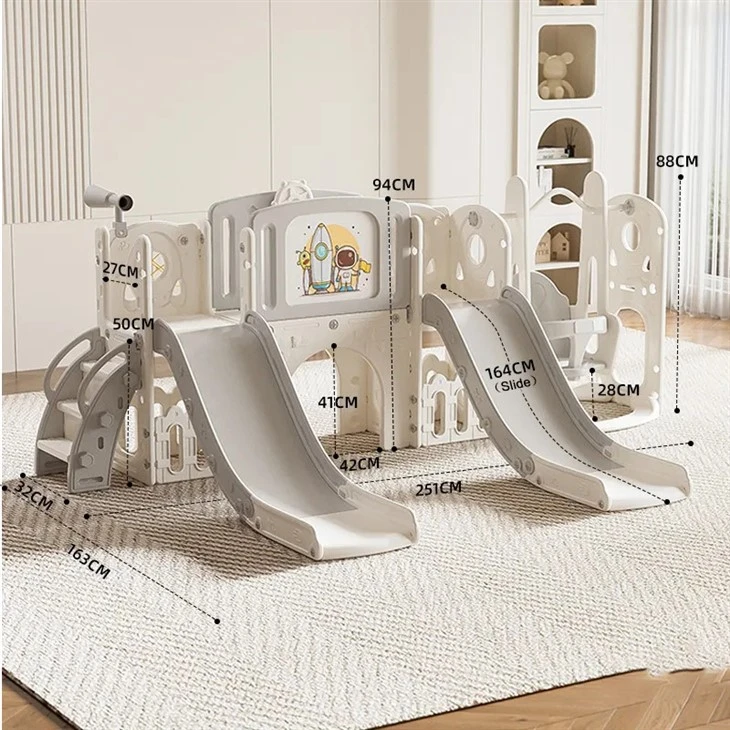
Selecting the Right Location
The first step in designing a toddler playground for hot climates is to choose the right location. Look for a site that offers natural shade, such as under trees or near buildings. If natural shade is limited, consider installing shade structures like umbrellas, canopies, or pergolas. These structures can provide much-needed relief from the sun and help keep the playground cool.
When selecting a location, also consider the orientation of the playground. Position the equipment to minimize direct sunlight during the hottest parts of the day. For example, place swings and slides on the east or west side of the playground, where they will be shaded in the afternoon.
Choosing Heat-Resistant Materials
In hot climates, it's important to choose materials that can withstand high temperatures without becoming too hot to touch. Avoid using materials like metal, which can absorb and retain heat, and opt for heat-resistant plastics, rubber, or wood instead. These materials are less likely to cause burns and are more comfortable for toddlers to play on.
When selecting playground equipment, look for products that are specifically designed for hot climates. Many manufacturers offer heat-resistant coatings and finishes that can help reduce the surface temperature of the equipment. Additionally, consider choosing light-colored materials, which reflect sunlight and stay cooler than dark-colored materials.
Providing Adequate Shade
Shade is essential for protecting toddlers from the sun's harmful rays and keeping the playground cool. In addition to natural shade and shade structures, you can also provide shade by planting trees and shrubs around the playground. Trees not only provide shade but also help improve air quality and create a more natural and inviting play environment.
When designing the shade layout, make sure to provide enough shade for all areas of the playground, including play equipment, seating areas, and walkways. Consider using a combination of fixed and movable shade structures to provide flexibility and adapt to changing sun angles throughout the day.
Incorporating Water Features
Water features are a great way to cool down toddlers and make the playground more fun and engaging. In hot climates, consider incorporating water play areas, such as splash pads, fountains, or water slides. These features not only provide a refreshing way to play but also help reduce the temperature of the playground and create a more comfortable environment for toddlers.
When designing water features, make sure to follow all safety guidelines and regulations. Provide adequate supervision and ensure that the water is clean and safe for toddlers to play in. Additionally, consider using recycled water or water-saving technologies to minimize water consumption.
Ensuring Proper Ventilation
Proper ventilation is important for keeping the playground cool and reducing the risk of heat-related illnesses. When designing the playground, make sure to provide adequate airflow by leaving enough space between play equipment and structures. Avoid overcrowding the playground and ensure that there are clear pathways for air to circulate.
You can also improve ventilation by using open-sided structures, such as pergolas and canopies, and by choosing materials that allow air to pass through, such as mesh or perforated panels. Additionally, consider installing fans or other ventilation systems to help circulate air and keep the playground cool.
Providing Comfortable Seating and Rest Areas
In hot climates, it's important to provide comfortable seating and rest areas where toddlers and their caregivers can take a break from the heat. Consider installing benches, picnic tables, and shaded seating areas throughout the playground. These areas should be located in shaded areas and provide a comfortable place to sit and relax.
When selecting seating and rest area materials, choose materials that are comfortable and breathable, such as wood or plastic. Avoid using materials that absorb heat, such as metal or concrete. Additionally, make sure to provide adequate padding and support to ensure the comfort of toddlers and their caregivers.
Promoting Hydration
Dehydration is a serious concern for toddlers playing in hot climates. To prevent dehydration, make sure to provide plenty of drinking water throughout the playground. Install water fountains or provide water bottles and cups for toddlers and their caregivers. Encourage toddlers to drink water regularly, especially during and after physical activity.
In addition to providing water, you can also promote hydration by offering healthy snacks that are high in water content, such as fruits and vegetables. These snacks not only help keep toddlers hydrated but also provide essential nutrients and energy for play.
Maintaining the Playground
Regular maintenance is essential for ensuring the safety and functionality of the playground. In hot climates, it's important to pay special attention to the condition of the playground equipment and structures, as high temperatures and sunlight can cause damage and wear over time.
Inspect the playground regularly for signs of damage, such as cracks, loose parts, or fading. Repair or replace any damaged equipment or structures immediately to prevent accidents and injuries. Additionally, clean the playground regularly to remove dirt, debris, and bacteria.
Conclusion
Designing a toddler playground for hot climates requires careful planning and consideration. By selecting the right location, choosing heat-resistant materials, providing adequate shade and ventilation, incorporating water features, and promoting hydration, you can create a safe, fun, and comfortable play environment for toddlers. As a Toddler Playground supplier, we have the expertise and experience to help you design and build a playground that meets the needs of your community and thrives in hot climates.
If you're interested in learning more about our Indoor Outdoor Playground or Indoor Outdoor Baby Slide products, or if you have any questions about designing a toddler playground for hot climates, please don't hesitate to contact us. We'd be happy to discuss your project and provide you with a free consultation and quote.
References
- National Recreation and Park Association. (2023). Playground Safety Handbook.
- Centers for Disease Control and Prevention. (2023). Heat-Related Illnesses.
- World Health Organization. (2023). Guidelines on Indoor Air Quality: Dampness and Mould.