

Warehouses are the backbone of many businesses, serving as the central hub for storing and managing goods. A well-organized storage cabinet arrangement in a warehouse can significantly enhance efficiency, reduce costs, and improve overall productivity. As a storage cabinet supplier, I've witnessed firsthand the transformative impact of strategic cabinet placement. In this blog, I'll share some valuable insights on how to arrange storage cabinets in a warehouse effectively.
Understanding Your Warehouse Space
The first step in arranging storage cabinets is to have a clear understanding of your warehouse space. Measure the dimensions of the warehouse, including the length, width, and height. Take note of any structural elements such as columns, beams, and doors that may affect cabinet placement. Additionally, consider the layout of the warehouse, including the location of loading docks, aisles, and storage areas.
By understanding your warehouse space, you can determine the optimal cabinet arrangement that maximizes storage capacity while ensuring easy access to stored items. For example, if your warehouse has limited floor space, you may want to consider using vertical storage solutions such as tall cabinets or shelving units. On the other hand, if your warehouse has a large open area, you may be able to use a more traditional layout with rows of cabinets.
Analyzing Your Storage Needs
Once you have a clear understanding of your warehouse space, the next step is to analyze your storage needs. Consider the types of items you need to store, their size, weight, and quantity. This will help you determine the appropriate size and type of storage cabinets to use.
For example, if you need to store small items such as tools or parts, you may want to use cabinets with multiple drawers or compartments. If you need to store larger items such as furniture or equipment, you may need to use larger cabinets or shelving units. Additionally, consider the frequency of access to the stored items. Items that are accessed frequently should be stored in easily accessible locations, while items that are accessed less frequently can be stored in more remote areas.
Choosing the Right Storage Cabinets
As a storage cabinet supplier, I understand the importance of choosing the right cabinets for your specific needs. There are several factors to consider when selecting storage cabinets, including the material, size, capacity, and features.

- Material: Storage cabinets are available in a variety of materials, including wood, metal, plastic, and glass. Each material has its own advantages and disadvantages, so it's important to choose the one that best suits your needs. For example, wood cabinets are durable and aesthetically pleasing, but they may be more expensive than other materials. Metal cabinets are strong and durable, but they may be prone to rust and corrosion. Plastic cabinets are lightweight and affordable, but they may not be as durable as other materials. Glass cabinets are transparent and allow for easy visibility of stored items, but they may be fragile and prone to breakage.
- Size: The size of the storage cabinets you choose will depend on the size and quantity of the items you need to store. Consider the dimensions of the warehouse space and the available storage area when selecting the size of the cabinets. Additionally, consider the height of the cabinets, as taller cabinets can provide more storage capacity but may be more difficult to access.
- Capacity: The capacity of the storage cabinets refers to the amount of items they can hold. Consider the quantity of items you need to store and choose cabinets with a sufficient capacity. Additionally, consider the weight of the items and choose cabinets that can support the weight.
- Features: Storage cabinets can come with a variety of features, such as locks, drawers, shelves, and compartments. Consider the specific needs of your business and choose cabinets with the features that will best meet those needs. For example, if you need to store valuable items, you may want to choose cabinets with locks to ensure security. If you need to organize your items, you may want to choose cabinets with drawers or compartments.
Here are some of the popular storage cabinets we offer:
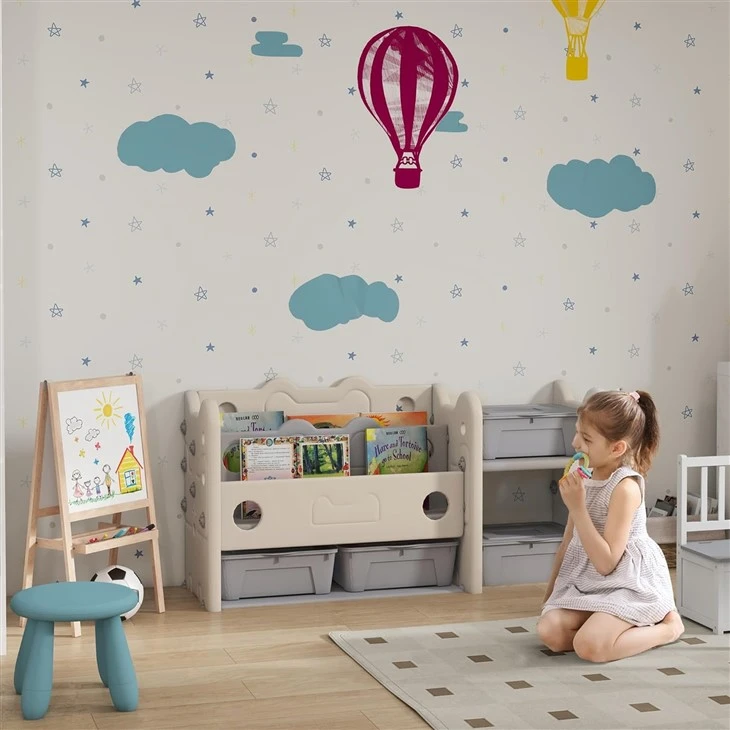
- Plastic Children Toy Shelf: This is a great option for storing children's toys. It's made of durable plastic and has multiple shelves and compartments to keep toys organized.
- Plastic Toy Shelf: Similar to the plastic children toy shelf, this is a versatile option for storing toys of all sizes. It's lightweight and easy to move around, making it ideal for playrooms or bedrooms.
- Baby Clothes Storage Cabinet: This cabinet is specifically designed for storing baby clothes. It has multiple drawers and compartments to keep clothes organized and easily accessible.
Planning the Cabinet Layout
Once you have chosen the right storage cabinets for your needs, the next step is to plan the cabinet layout. This involves determining the placement of the cabinets in the warehouse to ensure optimal use of space and easy access to stored items.
- Aisles: Aisles are essential for providing access to the storage cabinets. When planning the cabinet layout, consider the width of the aisles to ensure that they are wide enough to accommodate the movement of personnel and equipment. Additionally, consider the direction of the aisles to ensure that they are arranged in a logical and efficient manner.
- Grouping Similar Items: Grouping similar items together can make it easier to find and access the stored items. When planning the cabinet layout, consider grouping items by category, size, or frequency of access. For example, you may want to group all the tools together in one area, all the parts together in another area, and all the furniture together in a third area.
- Vertical Storage: Vertical storage can be an effective way to maximize storage capacity in a warehouse with limited floor space. When planning the cabinet layout, consider using tall cabinets or shelving units to take advantage of the vertical space. Additionally, consider using mezzanines or multi-level storage systems to further increase storage capacity.
Implementing the Cabinet Arrangement
Once you have planned the cabinet layout, the next step is to implement the cabinet arrangement. This involves installing the cabinets in the warehouse and organizing the stored items.
- Installation: When installing the storage cabinets, it's important to follow the manufacturer's instructions carefully. This will ensure that the cabinets are installed correctly and securely. Additionally, consider using a professional installer to ensure that the cabinets are installed safely and efficiently.
- Organization: Once the cabinets are installed, the next step is to organize the stored items. This involves placing the items in the appropriate cabinets and arranging them in a logical and efficient manner. Consider using labels or signage to identify the contents of the cabinets and make it easier to find the stored items.
Maintaining the Cabinet Arrangement
Finally, it's important to maintain the cabinet arrangement to ensure that it continues to function effectively. This involves regularly cleaning the cabinets, inspecting them for damage, and making any necessary repairs or adjustments.
- Cleaning: Regular cleaning of the storage cabinets will help to keep them in good condition and prevent the buildup of dirt and debris. Use a mild detergent and a soft cloth to clean the cabinets, and avoid using abrasive cleaners or tools that may damage the surface.
- Inspection: Regular inspection of the storage cabinets will help to identify any damage or wear and tear. Check the cabinets for loose or broken parts, damaged doors or drawers, and signs of rust or corrosion. If any damage is found, make the necessary repairs or replacements as soon as possible.
- Repairs and Adjustments: If any damage or wear and tear is found during the inspection, make the necessary repairs or adjustments as soon as possible. This may involve tightening loose screws or bolts, replacing damaged parts, or adjusting the cabinet doors or drawers.
Conclusion
Arranging storage cabinets in a warehouse is a complex process that requires careful planning and consideration. By understanding your warehouse space, analyzing your storage needs, choosing the right storage cabinets, planning the cabinet layout, implementing the cabinet arrangement, and maintaining the cabinet arrangement, you can create a well-organized and efficient storage system that meets your specific needs.
As a storage cabinet supplier, I'm committed to providing high-quality cabinets and excellent customer service. If you have any questions or need assistance with arranging storage cabinets in your warehouse, please don't hesitate to contact me. I'll be happy to help you find the right solution for your specific needs.
References
- "Warehouse Layout and Design." Material Handling Institute.
- "Storage Cabinet Selection Guide." Grainger.
- "How to Organize a Warehouse." Industrial Supply Magazine.