

Arranging stepping stones in a pattern can transform an ordinary path or garden area into a visually appealing and functional space. As a stepping stones supplier, I've had the privilege of working with a wide range of customers to create unique and beautiful arrangements. In this blog post, I'll share some tips and ideas on how to arrange stepping stones in a pattern that suits your style and needs.
Understanding the Basics of Stepping Stone Arrangement
Before diving into specific patterns, it's important to understand the basic principles of stepping stone arrangement. The first thing to consider is the purpose of the stepping stones. Are they meant to create a functional path for walking, or are they more of a decorative element? This will influence the spacing, size, and shape of the stones you choose.
Another important factor is the location of the stepping stones. Consider the terrain, the amount of foot traffic, and the overall aesthetic of the surrounding area. For example, if you're placing stepping stones in a garden, you'll want to choose stones that complement the plants and flowers. If the area gets a lot of rain, you'll need to ensure that the stones are non - slip to prevent accidents.
Popular Stepping Stone Patterns
Straight Line Pattern
The straight line pattern is one of the simplest and most classic ways to arrange stepping stones. It's ideal for creating a direct path from one point to another, such as from a house to a garden shed. To create a straight line pattern, start by marking the beginning and end points of the path. Then, place the stepping stones in a single row, ensuring that they are evenly spaced. This pattern works well with rectangular or square stepping stones. You can find a variety of options for Kids Stepping Stones that can be arranged in a straight line pattern in a children's play area.
Herringbone Pattern
The herringbone pattern is a more intricate and visually interesting option. It gives the illusion of movement and adds a touch of elegance to any space. To create a herringbone pattern, arrange the stepping stones in a zig - zag pattern, with each stone at a 45 - degree angle to the ones next to it. This pattern works best with rectangular stepping stones. The herringbone pattern can be used in both indoor and outdoor settings, such as in a patio or a hallway.
Random Pattern
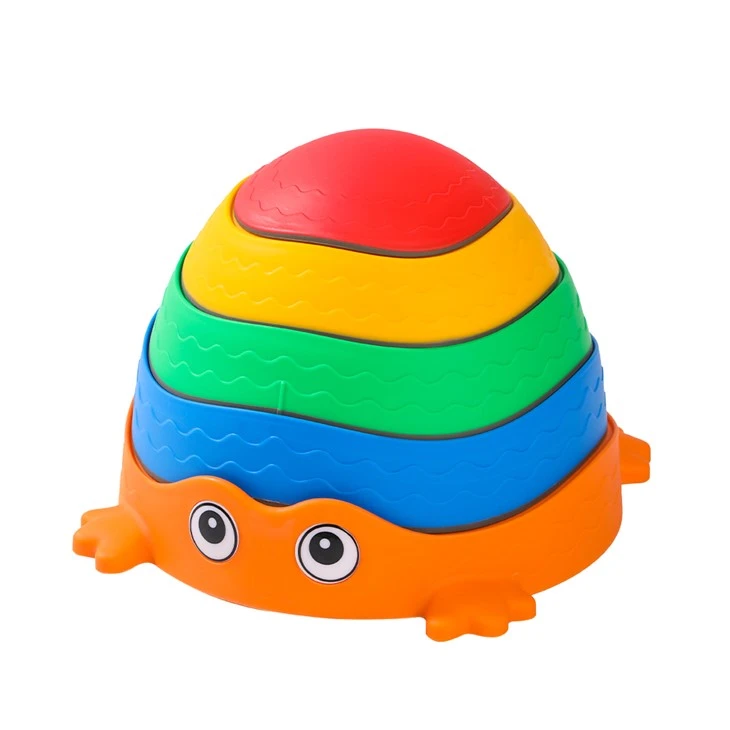
For a more natural and organic look, a random pattern might be the way to go. In a random pattern, the stepping stones are placed at irregular intervals and angles. This pattern mimics the look of stepping on stones in a forest or a riverbed. It's perfect for creating a whimsical garden path or a play area. You can use a mix of different shapes and sizes of stepping stones to add to the randomness. Toddler Stepping Stones can be arranged in a random pattern in a safe and fun toddler play area.
Circular Pattern
A circular pattern can be a focal point in a garden or a patio. To create a circular pattern, start by marking the center of the circle. Then, place the stepping stones in a circular shape around the center point. You can use round or oval stepping stones for a more cohesive look. This pattern is great for creating a seating area or a small gathering space.
Tips for Arranging Stepping Stones
Prepare the Ground
Before placing the stepping stones, it's essential to prepare the ground properly. Remove any grass, weeds, or debris from the area. Then, level the ground using a rake or a shovel. If the ground is soft, you may need to add a layer of gravel or sand to provide a stable base for the stones.
Use a String or a Hose
To ensure that your stepping stones are arranged in a straight line or a specific pattern, use a string or a hose as a guide. For example, if you're creating a straight line pattern, stretch a string between the two end points of the path. Place the stones along the string to keep them in a straight line.
Consider the Spacing
The spacing between the stepping stones is crucial. If the stones are too close together, it may be difficult to walk on them comfortably. If they are too far apart, it may be a challenge to step from one stone to the next. A good rule of thumb is to leave a gap of about 2 - 3 inches between each stone.
Secure the Stones
Once you've arranged the stepping stones in the desired pattern, it's important to secure them in place. You can use a landscape adhesive or a layer of sand to hold the stones in position. This will prevent them from shifting or moving over time.
Using Stepping Stones in Different Settings
Garden Paths
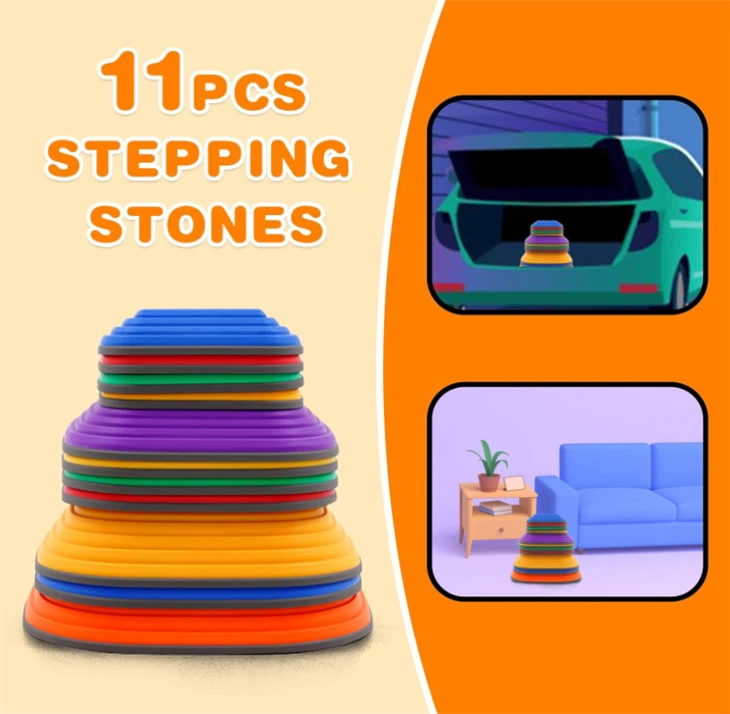
Stepping stones are a great addition to garden paths. They can add a decorative touch while providing a functional way to navigate through the garden. You can choose stones that match the color and texture of the surrounding plants. For example, if you have a lot of greenery, you might opt for natural - looking stones like slate or sandstone. The 5pcs Non - Slip Toddler Stepping Stones can be used to create a safe and fun path in a children's garden.
Patios and Decks
In patios and decks, stepping stones can be used to create a unique and inviting space. You can arrange them in a pattern to define different areas, such as a seating area or a dining area. You can also use stepping stones to create a transition from the patio to the garden.
Indoor Spaces
Stepping stones can even be used indoors. For example, you can create a small stepping stone path in a playroom or a mudroom. This not only adds a fun and decorative element but also helps to keep the area clean by providing a defined path for foot traffic.
Conclusion
Arranging stepping stones in a pattern is a creative and rewarding project that can enhance the beauty and functionality of any space. Whether you choose a simple straight line pattern or a more complex herringbone pattern, the key is to plan carefully and consider the specific needs of your space. As a stepping stones supplier, I'm here to help you find the perfect stepping stones for your project. If you're interested in purchasing stepping stones or have any questions about arranging them, feel free to reach out to start a procurement discussion. We can work together to bring your vision to life.
References
- Smith, J. (2018). "Landscaping with Stepping Stones". Gardening Today Magazine.
- Johnson, A. (2019). "The Art of Stepping Stone Arrangement". Outdoor Living Journal.