

As a supplier of plastic toy shelves, one of the most frequently asked questions I encounter is, "How much weight can a plastic toy shelf hold?" This question is crucial for parents, daycare centers, and toy stores, as it directly relates to the safety and functionality of the storage solution. In this blog post, I will delve into the factors that determine the weight capacity of plastic toy shelves and provide some guidelines to help you make an informed decision.
Understanding the Basics of Weight Capacity
The weight capacity of a plastic toy shelf refers to the maximum amount of weight it can safely support without experiencing structural damage or failure. This capacity is typically measured in pounds (lbs) or kilograms (kg) and is specified by the manufacturer. It is important to note that the weight capacity is not just about the total weight of the toys but also takes into account the distribution of that weight across the shelves.
Factors Affecting Weight Capacity
Several factors influence the weight capacity of a plastic toy shelf. Understanding these factors can help you choose a shelf that meets your specific needs.
1. Material Quality
The quality of the plastic used in the construction of the toy shelf is a significant determinant of its weight capacity. High - quality plastics, such as high - density polyethylene (HDPE) or polypropylene (PP), are more durable and can withstand greater loads compared to lower - quality plastics. These materials are also less likely to crack or break under stress.
2. Design and Structure
The design and structure of the toy shelf play a crucial role in its weight - bearing ability. Shelves with a reinforced frame, thick support beams, and a sturdy base are generally more capable of holding heavy items. Additionally, the number of shelves and their spacing can affect the overall weight distribution. A shelf with evenly spaced shelves and a well - balanced design can distribute the weight more effectively, increasing its capacity.
3. Assembly
Proper assembly is essential for ensuring the full weight capacity of a plastic toy shelf. Incorrectly assembled shelves may not be able to support the intended load and can pose a safety risk. It is important to follow the manufacturer's assembly instructions carefully and use all the provided hardware.
4. Usage Conditions
The environment in which the toy shelf is used can also impact its weight capacity. Shelves placed on uneven surfaces or exposed to extreme temperatures may experience additional stress, which can reduce their ability to hold weight. For example, a shelf placed in a hot attic may become more brittle over time, making it less able to support heavy items.
Typical Weight Capacities of Plastic Toy Shelves
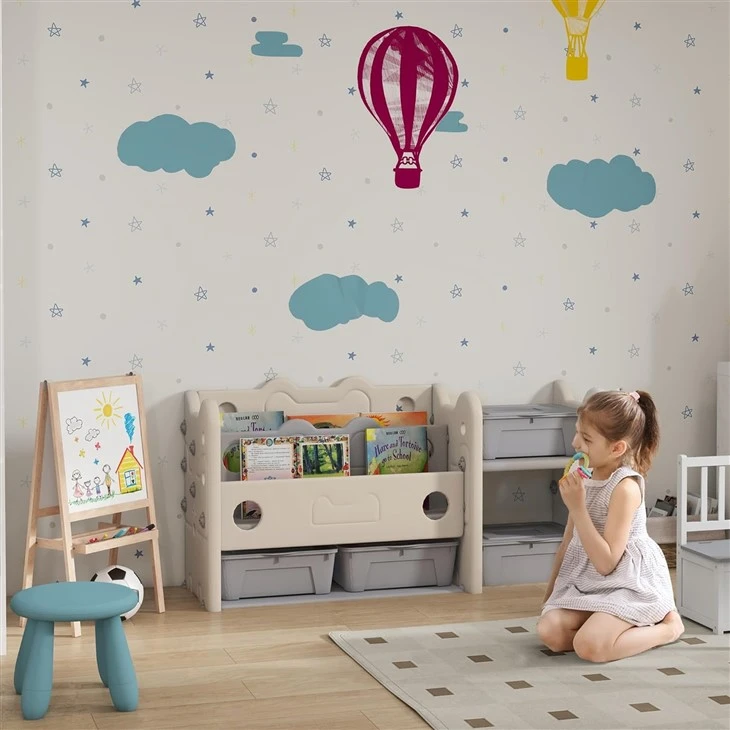
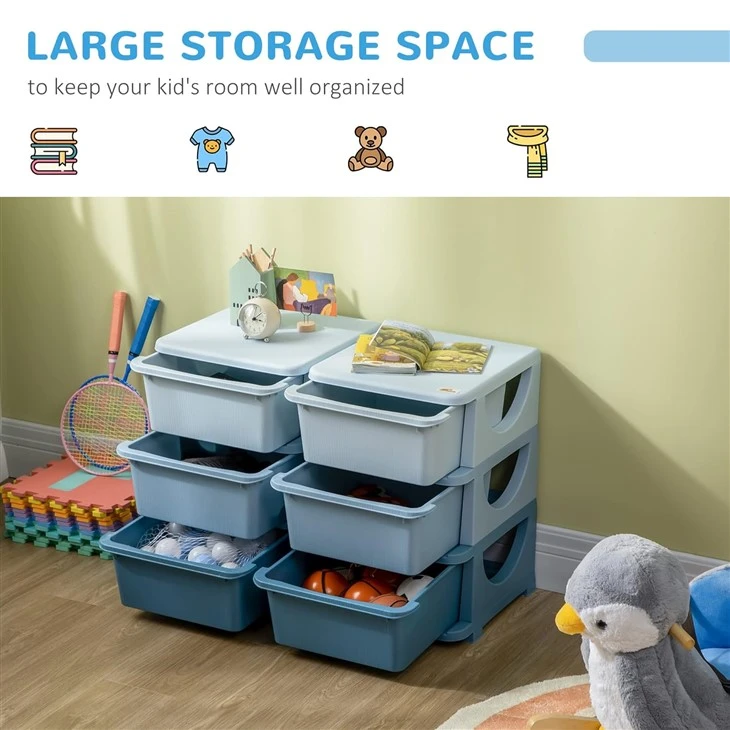
Plastic toy shelves come in a variety of sizes and designs, each with its own weight capacity. Here are some general guidelines based on common types of plastic toy shelves:
Small, Single - Tier Shelves
These are often used for storing small toys, such as action figures or building blocks. They typically have a weight capacity of around 10 - 20 lbs per shelf. These shelves are lightweight and easy to move around, making them suitable for children's rooms or play areas.
Medium - Sized, Multi - Tier Shelves
These shelves are more substantial and can hold a wider variety of toys. A medium - sized, multi - tier plastic toy shelf may have a weight capacity of 20 - 50 lbs per shelf. They are commonly used in daycare centers or playrooms to organize larger toys, such as stuffed animals and board games.
Large, Heavy - Duty Shelves
Designed for commercial use or for storing a large number of heavy toys, large, heavy - duty plastic toy shelves can have a weight capacity of 50 lbs or more per shelf. These shelves are often used in toy stores or large play areas and are built to withstand the rigors of frequent use.
How to Determine the Right Weight Capacity for Your Needs
When choosing a plastic toy shelf, it is important to consider the types of toys you will be storing and their weight. Here are some steps to help you determine the appropriate weight capacity:
1. Make an Inventory of Your Toys
List all the toys you plan to store on the shelf and estimate their weight. Group the toys by size and weight to get a better understanding of the load distribution.
2. Consider Future Growth
If you have young children, their toy collection is likely to grow over time. It is a good idea to choose a shelf with a slightly higher weight capacity than you currently need to accommodate future purchases.
3. Check the Manufacturer's Specifications
Always refer to the manufacturer's weight capacity specifications when selecting a toy shelf. These specifications are based on rigorous testing and provide a reliable indication of the shelf's capabilities.
Importance of Staying Within the Weight Capacity
Exceeding the weight capacity of a plastic toy shelf can have serious consequences. It can cause the shelf to warp, crack, or collapse, which can lead to damage to the toys and pose a safety hazard to children. To ensure the safety and longevity of your toy shelf, it is crucial to stay within the recommended weight limits.
Our Plastic Toy Shelf Offerings
As a supplier, we offer a wide range of Plastic Children Toy Shelf with different weight capacities to meet the diverse needs of our customers. Our shelves are made from high - quality plastics and are designed with durability and functionality in mind. Whether you need a small, single - tier shelf for a child's bedroom or a large, heavy - duty shelf for a commercial play area, we have the perfect solution for you.
In addition to toy shelves, we also provide Children Toys Storage Cabinets and Baby Clothes Storage Cabinet to help you organize your children's belongings effectively.
Conclusion
The weight capacity of a plastic toy shelf is determined by several factors, including material quality, design, assembly, and usage conditions. By understanding these factors and choosing a shelf with an appropriate weight capacity, you can ensure the safety and functionality of your toy storage solution. If you have any questions about our plastic toy shelves or need help selecting the right product for your needs, please do not hesitate to contact us. We are here to assist you in making the best choice for your toy storage requirements.
References
- "Plastic Materials for Consumer Products" by John Doe, published in the Journal of Plastic Science, 2020.
- "Design Considerations for Toy Storage Furniture" by Jane Smith, International Journal of Furniture Design, 2019.
- Manufacturer's guidelines and product specifications for plastic toy shelves.