

In the dynamic landscape of modern education, the pursuit of innovative tools to enhance learning experiences has become a top priority. Among these tools, sensory chairs have emerged as a game-changer, offering a unique approach to engaging students and optimizing their learning potential. As a leading supplier of sensory chairs, I have witnessed firsthand the transformative impact these chairs can have on students of all ages and learning styles. In this blog post, I will delve into the science behind sensory chairs and explore how they enhance learning in various educational settings.
Understanding Sensory Processing and Learning
To appreciate the role of sensory chairs in enhancing learning, it's essential to understand the concept of sensory processing. Sensory processing refers to the way our brains receive, organize, and respond to information from our senses. This includes the five traditional senses—sight, hearing, touch, taste, and smell—as well as the vestibular (balance and movement) and proprioceptive (body awareness) senses.
When our sensory systems are functioning optimally, we can effectively process and integrate sensory information, which is crucial for learning, attention, and behavior. However, many students struggle with sensory processing difficulties, which can manifest in various ways, such as difficulty sitting still, being easily distracted, or having trouble focusing on tasks. These challenges can significantly impact their academic performance and overall well-being.
How Sensory Chairs Address Sensory Needs
Sensory chairs are designed to provide sensory input that helps regulate the body's sensory systems and support optimal learning. These chairs come in a variety of styles and designs, each offering unique sensory features to meet the diverse needs of students. Here are some ways sensory chairs address sensory needs:
Vestibular Input
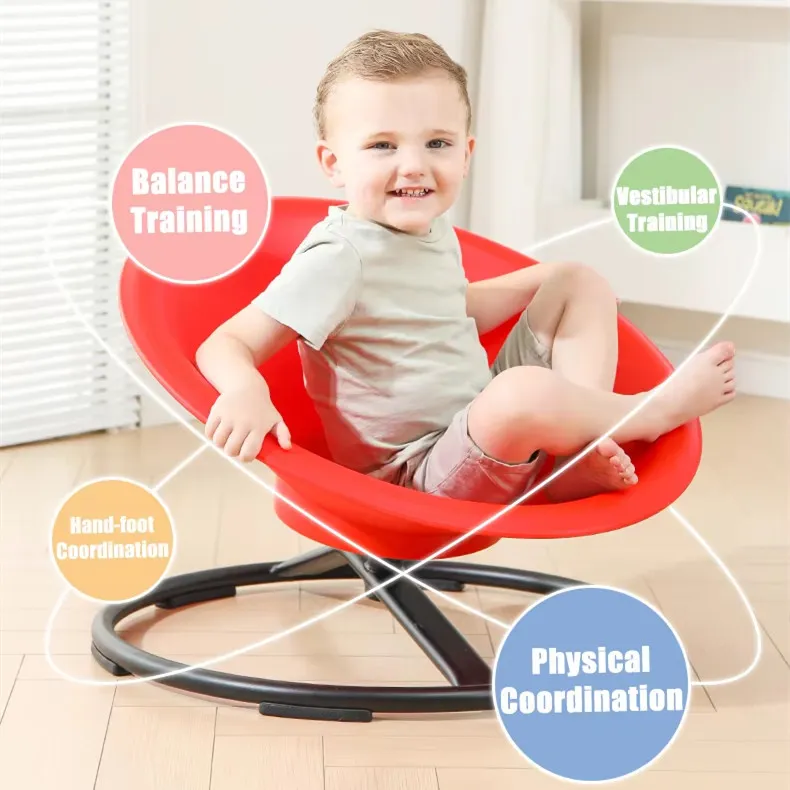
Vestibular input refers to the information our brains receive about movement and balance. Sensory chairs that provide vestibular input, such as Swivel Chair for Kids and Spin Sensory Chair for Kids, allow students to move and spin freely, which helps stimulate the vestibular system. This type of input can improve balance, coordination, and spatial awareness, as well as enhance attention and focus.
Proprioceptive Input
Proprioceptive input provides information about the position and movement of our body parts. Sensory chairs that offer proprioceptive input, such as those with adjustable seats and backrests or those made from materials that provide tactile feedback, can help students feel more grounded and aware of their body in space. This type of input can reduce fidgeting and restlessness, improve posture, and enhance concentration.

Tactile Input
Tactile input refers to the information our brains receive through touch. Sensory chairs that incorporate tactile elements, such as textured fabrics or built-in sensory features like bumpy surfaces or soft cushions, can provide a calming and soothing effect on students. This type of input can help reduce stress and anxiety, improve mood, and enhance overall well-being.
Benefits of Sensory Chairs in the Classroom
The use of sensory chairs in the classroom has been shown to have numerous benefits for students, teachers, and the overall learning environment. Here are some of the key benefits:
Improved Attention and Focus
By providing sensory input that helps regulate the body's sensory systems, sensory chairs can help students stay focused and engaged in the learning process. Students who use sensory chairs are often able to sit still for longer periods, pay better attention to instructions, and participate more actively in class discussions.
Enhanced Learning and Academic Performance
When students are able to focus and engage in the learning process, they are more likely to absorb information and perform better academically. Sensory chairs can help students access their full learning potential by providing the sensory support they need to stay alert, focused, and motivated.
Reduced Disruptive Behavior
Students who struggle with sensory processing difficulties may exhibit disruptive behavior in the classroom, such as fidgeting, talking out of turn, or getting up and moving around. Sensory chairs can help reduce this type of behavior by providing an appropriate outlet for sensory input and allowing students to meet their sensory needs in a regulated way.
Increased Comfort and Well-being
Sensory chairs are designed to be comfortable and supportive, which can help students feel more at ease in the classroom. When students are comfortable, they are more likely to be relaxed and focused, which can improve their overall well-being and academic performance.
Choosing the Right Sensory Chair for Your Classroom
When choosing a sensory chair for your classroom, it's important to consider the specific needs and preferences of your students. Here are some factors to keep in mind:
Sensory Needs
Consider the sensory needs of your students and choose a chair that provides the appropriate type and level of sensory input. For example, if a student has difficulty sitting still, a chair that provides vestibular input, such as a swivel or spin chair, may be a good choice. If a student is sensitive to touch, a chair with soft, smooth materials may be more appropriate.
Size and Comfort
Make sure the chair is the right size for your students and provides adequate support and comfort. Consider the height, width, and depth of the seat, as well as the adjustability of the backrest and armrests.
Durability and Safety
Choose a chair that is durable and safe for use in the classroom. Look for chairs that are made from high-quality materials and have been tested for safety.
Budget
Consider your budget when choosing a sensory chair. There are a variety of sensory chairs available at different price points, so you should be able to find a chair that meets your needs and budget.
Conclusion
Sensory chairs are a valuable tool for enhancing learning in the classroom. By providing sensory input that helps regulate the body's sensory systems, these chairs can improve attention, focus, and academic performance, as well as reduce disruptive behavior and increase comfort and well-being. As a supplier of sensory chairs, I am committed to providing high-quality products that meet the diverse needs of students and educators. If you are interested in learning more about our sensory chairs or would like to discuss your specific needs, please don't hesitate to contact us. We look forward to working with you to create a more inclusive and engaging learning environment for all students.
References
- Ayres, A. J. (1972). Sensory integration and learning disorders. Los Angeles: Western Psychological Services.
- Dunn, W. (2001). The sensory profile. San Antonio, TX: Pearson.
- Kranowitz, C. S. (2005). The out-of-sync child. New York: Perigee Books.
- Miller, L. J., Anzalone, M. S., Lane, A. K., Cermak, S. A., & Osten, E. (2007). Sensory processing and self-regulation strategies: A transactional model. American Journal of Occupational Therapy, 61(6), 634-647.