

Transporting a balance board can be a crucial aspect of ensuring its safe arrival to customers, especially when you're a balance board supplier. In this blog, I'll share some insights and best practices on how to transport balance boards effectively.
Understanding the Balance Board Types
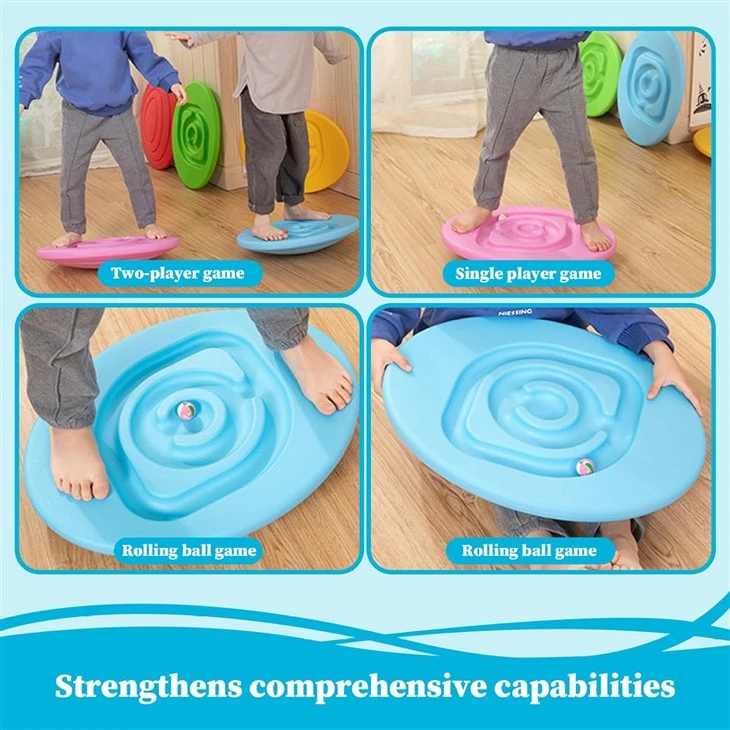
Before diving into the transportation methods, it's essential to know the different types of balance boards we offer. We have a variety of balance boards suitable for different age groups and purposes. For instance, the Kids Balance Board is designed specifically for children, helping them develop balance and coordination skills. It's usually smaller and lighter, making it relatively easier to transport compared to larger boards.
Another popular type is the Curvy Rocker Board for Yoga. This board is often used in yoga practices to enhance stability and core strength. Its unique curvy design may require special handling during transportation to prevent damage.
The Wobble Board for Kids is also a great option for children. It has a wobbly surface that challenges kids' balance and proprioception. Similar to the kids' balance board, it's relatively lightweight but still needs proper packaging to ensure it arrives in good condition.
Packaging for Protection
Proper packaging is the first step in ensuring the safe transportation of balance boards. We use high - quality materials to protect the boards from scratches, dents, and other damages during transit.
For smaller balance boards like the kids' balance boards and wobble boards, we typically use custom - made cardboard boxes. These boxes are designed to fit the boards snugly, reducing the movement inside the box. We also add cushioning materials such as bubble wrap or foam inserts to absorb any shocks during transportation.
For larger and more complex balance boards like the curvy rocker board for yoga, we may use more robust packaging solutions. Sometimes, we use wooden crates for extra protection, especially when shipping overseas. Inside the crate, we line it with soft padding to prevent the board from hitting the hard surfaces of the crate.
Choosing the Right Shipping Method
The choice of shipping method depends on several factors, including the destination, the size and weight of the balance board, and the customer's requirements.
Domestic Shipping
For domestic shipments within the country, we often use courier services. Couriers like FedEx, UPS, and DHL offer reliable and fast delivery options. They have well - established networks and tracking systems, which allow us and our customers to monitor the progress of the shipment.
If the balance board is small and lightweight, we may choose ground shipping. It's a cost - effective option and usually takes a few days to deliver. For urgent orders, we can opt for express shipping, which guarantees faster delivery but at a higher cost.
International Shipping
When shipping balance boards overseas, we need to consider more factors. We work with international freight forwarders who have experience in handling sports equipment. They can help us navigate through customs regulations, which vary from country to country.
Ocean freight is a common option for large - volume shipments. It's relatively inexpensive but has a longer transit time. Air freight, on the other hand, is much faster but more expensive. We usually recommend air freight for customers who need their balance boards quickly or for high - value orders.
Labeling and Documentation
Proper labeling and documentation are essential for a smooth transportation process. We label each package clearly with the product name, destination address, and handling instructions. For example, we may label the package as "Fragile" or "Handle with Care" to ensure that the shipping personnel treat the package appropriately.

In terms of documentation, we provide all the necessary paperwork for both domestic and international shipments. For domestic shipments, we include an invoice with the details of the product and the shipping address. For international shipments, we need to prepare additional documents such as a commercial invoice, a packing list, and a certificate of origin. These documents are required by customs authorities to clear the goods.
Insurance for Peace of Mind
To protect our customers and ourselves from potential losses during transportation, we offer shipping insurance. Shipping insurance covers the value of the balance board in case it gets lost, damaged, or stolen during transit. We recommend that our customers opt for insurance, especially for high - value or fragile balance boards.
Handling Returns and Exchanges
Despite our best efforts, there may be cases where customers need to return or exchange a balance board. In such situations, we have a clear return and exchange policy. We provide prepaid return labels for domestic customers, making it easy for them to send the product back.
When the returned balance board arrives at our facility, we inspect it carefully. If the board is in good condition, we can either process an exchange or issue a refund to the customer. If the board is damaged due to improper handling during return shipping, we may need to deduct the repair or replacement cost from the refund amount.
Conclusion
Transporting balance boards requires careful planning and attention to detail. By using proper packaging, choosing the right shipping method, providing accurate labeling and documentation, and offering insurance, we can ensure that our balance boards reach our customers in perfect condition.
If you're interested in purchasing our balance boards or have any questions about transportation, feel free to contact us for a detailed discussion. We're always happy to work with you to meet your needs.
References
- General knowledge of shipping and packaging industry best practices
- Experience from handling balance board shipments over the years.