

Hey there! As a balance board supplier, I get asked all the time, "How do I know if a balance board is of good quality?" Well, you're in luck because I'm here to share some tips and insights that'll help you make an informed decision.
1. Material Matters
First things first, let's talk about the materials. A high - quality balance board should be made from durable materials. For the board itself, hardwoods like maple or oak are great choices. They're strong, can withstand a fair amount of wear and tear, and have a nice natural look. If you're looking at a plastic balance board, make sure it's made from high - grade, thick plastic. Thin plastics can crack easily, especially if used by kids or if there's a bit of rough play.
When it comes to the base or the part that makes the board wobble, rubber is often a top pick. Good quality rubber provides a stable yet flexible support. It should grip the floor well to prevent the board from sliding around during use. You don't want to be in the middle of a balancing session and have the board suddenly take off!
2. Construction and Design
The way the balance board is put together is crucial. Check for smooth edges. Rough edges can not only be uncomfortable but also pose a safety risk, especially if someone accidentally brushes against them. The joints and connections should be tight. You don't want a board where parts start to come loose after just a few uses.
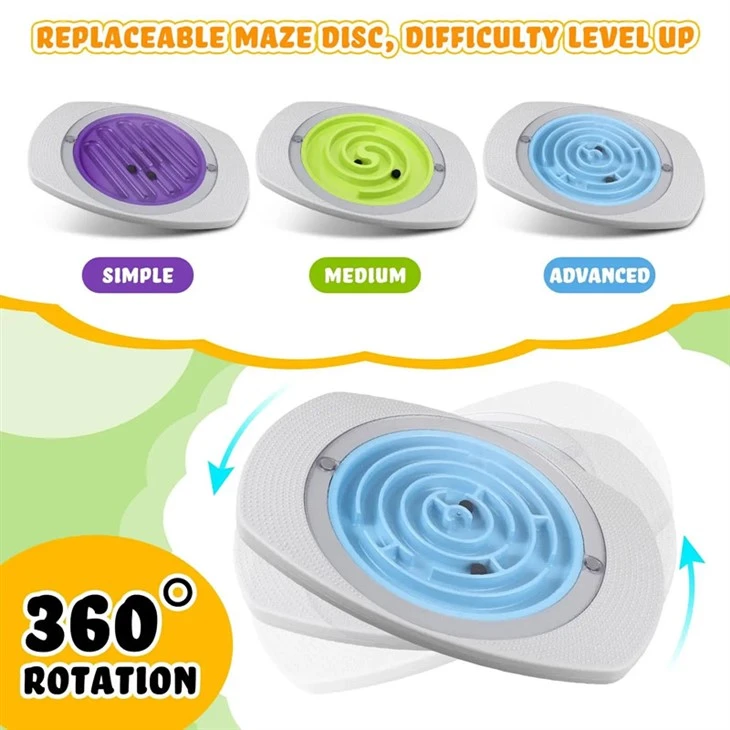
A well - designed balance board also takes into account the user's needs. For example, some balance boards are designed with different levels of difficulty. They might have adjustable bases or different shapes that allow for various types of balancing exercises. If you're a beginner, you might want a board that offers a more stable and gentle rocking motion. As you get more skilled, you can then switch to a more challenging setup.
There are some really cool designs out there. Take a look at our Versatile Rocking Balance Boards. They're designed to be used in multiple ways, which means you can keep things interesting and challenging as you improve your balance.
3. Safety Features
Safety is always a top priority, especially when it comes to balance boards. A good quality board should have non - slip surfaces. This is super important, whether you're using the board barefoot or with shoes on. Non - slip surfaces help prevent slips and falls, reducing the risk of injury.
Another safety feature to look for is a stable base. The base should be wide enough to support the board and the user without tipping over easily. Some balance boards also come with additional safety straps or handles, which can be great for beginners or for those who need a bit of extra support.
4. Weight Capacity
You need to consider the weight capacity of the balance board. If the board is rated for a lower weight than the user, it can break or become unstable during use. Make sure to check the manufacturer's specifications for the weight limit. Our balance boards are designed to accommodate a wide range of weights, so whether you're a kid or an adult, you can find a board that's right for you.
5. Brand Reputation
Do a little research on the brand. A well - established brand with a good reputation is more likely to produce high - quality balance boards. Look for reviews from other customers. What do they say about the durability, performance, and safety of the board? You can also check if the brand offers a warranty. A warranty is a sign that the manufacturer stands behind their product.
We're proud of our reputation as a balance board supplier. Our Montessori Waldorf Toy has received great feedback from parents and educators alike. It's not only a fun way to improve balance but also fits well into educational settings.
6. Price and Value
While price isn't always an indicator of quality, it can give you some clues. If a balance board is extremely cheap, it might be made from low - quality materials or have poor construction. On the other hand, a very expensive board isn't always the best choice either. You need to consider the features, materials, and overall value for money.
Think about what you're getting for your money. Does the board come with any additional accessories or instructions? Is it designed to last? Sometimes, spending a bit more upfront can save you money in the long run, as you won't have to replace the board as often.
7. Ease of Use and Maintenance
A good balance board should be easy to use, even for beginners. It should be intuitive to set up and start using. If the board comes with complicated instructions or requires a lot of assembly, it might not be the best choice for everyone.
Maintenance is also important. Look for a board that's easy to clean. If it gets dirty or sweaty during use, you should be able to wipe it down easily. Some boards might require occasional lubrication of the moving parts, but it shouldn't be a hassle.
8. Compatibility with Different Surfaces
The balance board should work well on different surfaces. Whether you're using it on a hardwood floor, carpet, or a tile surface, it should be stable and function properly. Some boards might have specific surface requirements, so make sure to check the product details.
9. Age Appropriateness
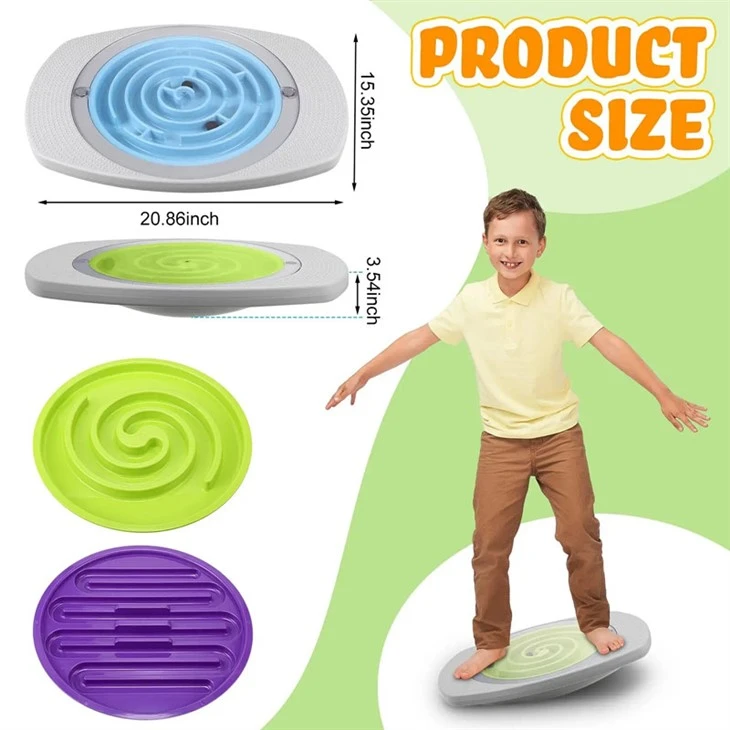
If you're buying a balance board for kids, make sure it's age - appropriate. Our Wobble Board for Kids is designed with kids in mind. It has a lower center of gravity and is made from safe, kid - friendly materials.
For adults, you might want a board that offers more challenging balancing options. Consider the user's age and skill level when choosing a balance board.
Conclusion
So, there you have it! These are some of the key factors to consider when determining if a balance board is of good quality. As a balance board supplier, we're committed to providing high - quality products that meet all these criteria.
If you're interested in purchasing a balance board or have any questions about our products, we'd love to hear from you. Feel free to reach out to us for more information and to start a procurement discussion. We're here to help you find the perfect balance board for your needs.
References
- General knowledge about balance board materials and design
- Customer feedback and reviews on balance board products