

In the realm of childhood development, balance and coordination are fundamental skills that lay the groundwork for a child's physical and cognitive growth. These skills not only enable children to move with confidence and ease but also contribute to their overall well - being and success in various activities. One often overlooked yet highly effective tool for fostering balance and coordination is cloth sensory toys. As a leading supplier of cloth sensory toys, I am excited to delve into how these toys support the development of these crucial skills.
Understanding Balance and Coordination
Before we explore the role of cloth sensory toys, it's essential to understand what balance and coordination entail. Balance refers to the ability to maintain the body's center of gravity over its base of support, whether standing still or in motion. It involves the integration of visual, vestibular, and proprioceptive systems. Coordination, on the other hand, is the harmonious working together of different parts of the body to perform smooth, efficient movements. It requires the brain to send and receive accurate signals between the muscles and the nervous system.
How Cloth Sensory Toys Stimulate the Senses
Cloth sensory toys are designed to engage multiple senses simultaneously, which is key to enhancing balance and coordination. The tactile nature of cloth provides a unique sensory experience. When children touch, squeeze, or manipulate these toys, they activate their sense of touch. This sensory input helps them become more aware of their body's position in space, which is essential for balance. For example, a soft, plush cloth ball allows children to feel its shape, texture, and weight. As they hold and throw the ball, they must adjust their grip and body position, thus improving their hand - eye coordination and balance.
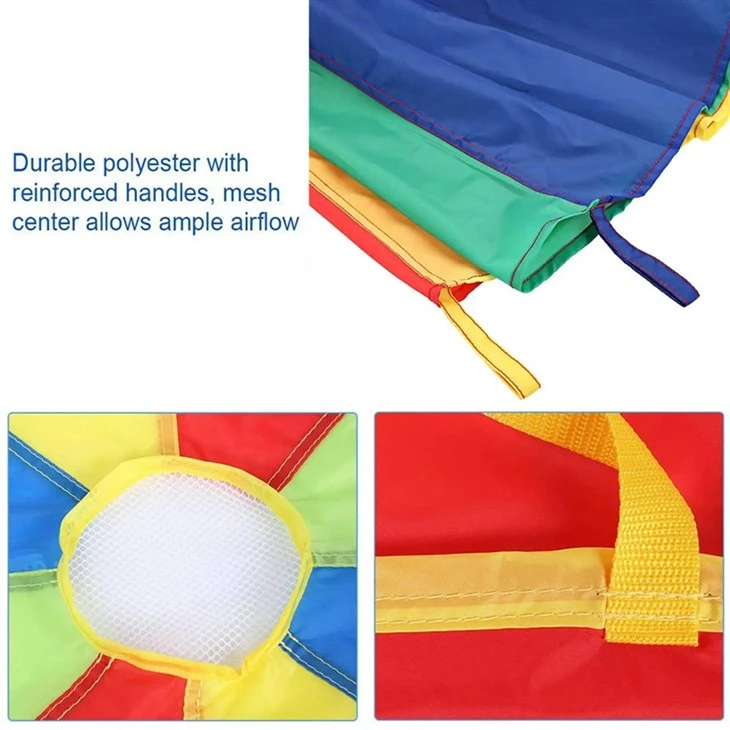
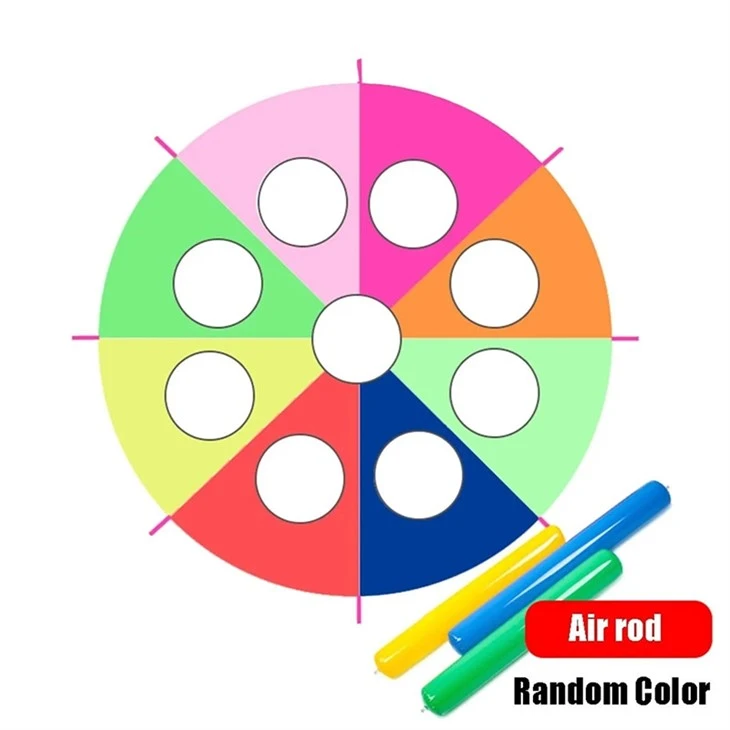
The visual aspect of cloth sensory toys also plays a significant role. Bright colors, interesting patterns, and different shapes catch children's attention and encourage them to explore. Visual stimulation helps children track objects in motion, which is crucial for developing hand - eye and foot - eye coordination. For instance, a Kids Play Parachute with vibrant colors and patterns floating in the air provides an exciting visual experience. Children must watch the parachute carefully as they hold the strings and move their bodies in coordination to keep it aloft, thereby improving their balance and overall coordination.
Specific Cloth Sensory Toys and Their Benefits
Play Tunnel For Toddlers
A Play Tunnel For Toddlers is an excellent example of a cloth sensory toy that supports balance and coordination. When toddlers crawl through the tunnel, they must navigate the confined space, which requires them to adjust their body position and movement. This activity strengthens their core muscles, which are essential for maintaining balance. As they move forward, backward, or turn inside the tunnel, they also improve their spatial awareness and body control. The soft cloth walls of the tunnel provide a gentle sensory experience, further enhancing their tactile awareness.
Kids Play Gymnastics Parachute
The Kids Play Gymnastics Parachute is another fantastic tool for balance and coordination development. When a group of children holds the edges of the parachute and moves it up and down, they must synchronize their movements. This group activity not only improves their individual balance and coordination but also teaches them teamwork and cooperation. The large size of the parachute requires children to use their whole bodies to control its movement, engaging multiple muscle groups and enhancing their overall physical development.
Cognitive Development and Balance
In addition to the physical benefits, cloth sensory toys also support cognitive development, which in turn impacts balance and coordination. When children play with these toys, they are constantly problem - solving. For example, when trying to get a small object out of a cloth pouch, they must figure out the best way to manipulate the pouch and use their hands effectively. This cognitive process helps improve their neural connections, allowing for better communication between the brain and the muscles. As a result, they can perform more complex movements with greater precision and balance.
Social and Emotional Aspects
Balance and coordination are not just about physical skills; they also have social and emotional dimensions. Cloth sensory toys often encourage social interaction. For example, when children play with a large cloth parachute together, they learn to communicate, take turns, and share. These social skills boost their self - confidence, which is essential for trying new physical activities that require balance and coordination. When children feel more confident, they are more likely to take risks and challenge themselves, leading to further development of these skills.
Incorporating Cloth Sensory Toys into Daily Routines
To maximize the benefits of cloth sensory toys for balance and coordination, it's important to incorporate them into children's daily routines. Parents and caregivers can set aside dedicated playtime for these toys. For example, they can have a "parachute time" where children gather around the Kids Play Gymnastics Parachute and play different games. Teachers in schools and daycare centers can also use these toys as part of their physical education or sensory integration programs.
Our Role as a Cloth Sensory Toys Supplier
As a supplier of cloth sensory toys, we are committed to providing high - quality products that meet the needs of children and support their development. Our toys are made from safe, soft, and durable materials, ensuring that children can enjoy them for a long time. We offer a wide range of products, from small plush toys to large play structures like the Play Tunnel For Toddlers and Kids Play Parachute.
We understand that every child is unique, and their development needs may vary. That's why we continuously research and develop new products to offer a diverse selection that caters to different ages, interests, and skill levels. Whether you are a parent looking for a fun and educational toy for your child or an educator in search of tools for your classroom, we have the right cloth sensory toys for you.
Contact Us for Procurement
If you are interested in purchasing our cloth sensory toys for your family, school, or institution, we invite you to contact us for procurement. Our team of experts is ready to assist you in selecting the most suitable products and answering any questions you may have. We offer competitive pricing, reliable shipping, and excellent customer service. Let's work together to provide children with the tools they need to develop strong balance and coordination skills.
References
- Ayres, A. J. (1972). Sensory Integration and Learning Disorders. Western Psychological Services.
- Fisher, K. W., & Bidell, T. R. (2006). Dynamic development of action and thought. Handbook of child psychology, 1, 313 - 399.
- Gallahue, D. L., & Ozmun, J. C. (2005). Understanding motor development: Infants, children, adolescents, adults. McGraw - Hill.