

Correcting mistakes on a balance beam is a crucial skill for gymnasts of all levels. As a balance beam supplier, I've witnessed firsthand the challenges gymnasts face and the strategies that can help them overcome these hurdles. In this blog post, I'll share some effective methods to correct mistakes on a balance beam, drawing on both my experience in the industry and insights from gymnastics experts.
Understanding the Common Mistakes
Before we delve into the correction methods, it's essential to identify the common mistakes gymnasts make on the balance beam. These include:
- Loss of Balance: This is perhaps the most obvious mistake. It can occur due to a variety of reasons, such as improper body alignment, incorrect foot placement, or a lack of core strength.
- Incorrect Footwork: Missteps or improper foot placements can disrupt the flow of a routine and lead to a loss of balance. This can happen when gymnasts rush through their steps or fail to pay attention to their foot positioning.
- Lack of Concentration: The balance beam requires intense focus. Distractions, nerves, or a wandering mind can cause gymnasts to make mistakes.
- Poor Technique: Incorrect form in skills such as jumps, turns, or dismounts can lead to errors. This includes not using the correct body posture, not executing the skill with the right amount of power, or not landing properly.
Correcting Loss of Balance
One of the most effective ways to correct a loss of balance is to improve core strength. A strong core provides a stable foundation for the body, helping gymnasts maintain their equilibrium on the beam. Exercises such as planks, sit-ups, and leg raises can help strengthen the core muscles.

Another important aspect is body alignment. Gymnasts should keep their spine straight, shoulders relaxed, and hips centered over the beam. This helps distribute the body's weight evenly and reduces the risk of tipping over.
Practicing balance drills on a low beam or a balance pad can also be beneficial. These drills can help gymnasts develop their sense of balance and learn how to quickly correct themselves when they start to lose it. For example, they can practice standing on one leg for as long as possible, shifting their weight from one foot to the other, or performing small jumps and landings on the beam.
Improving Footwork
To correct incorrect footwork, gymnasts should slow down and focus on each step. They can practice walking slowly along the beam, paying attention to the placement of their feet. It's important to keep the feet parallel and to land on the balls of the feet, rather than the heels.
Using visual cues can also be helpful. Gymnasts can mark the beam with tape or chalk to indicate where they should place their feet for each skill. This can help them stay on track and avoid making mistakes.
Practicing footwork sequences on the ground before attempting them on the beam can also build confidence and muscle memory. This allows gymnasts to perfect their footwork without the added pressure of being on the beam.
Enhancing Concentration
Concentration is key on the balance beam. To improve concentration, gymnasts can practice mindfulness techniques such as deep breathing and visualization. Before performing on the beam, they can take a few deep breaths to calm their nerves and focus their mind. They can also visualize themselves performing the routine successfully, imagining each skill and the feeling of balance.
Creating a pre - routine ritual can also help gymnasts get into the right mindset. This could include a specific warm - up routine, listening to music, or repeating a positive affirmation.
Minimizing distractions during practice and competition is also important. Gymnasts should find a quiet place to practice and avoid looking at the audience or other gymnasts during their routine.
Refining Technique
To correct poor technique, gymnasts should work closely with a coach. A coach can provide detailed feedback on their form and help them identify areas for improvement. They can break down each skill into smaller components and teach gymnasts the correct way to execute them.
Video analysis can also be a valuable tool. Gymnasts can record themselves performing skills on the beam and then watch the video with their coach. This allows them to see their mistakes clearly and make the necessary adjustments.
Practicing skills slowly and with control can also help improve technique. Gymnasts can focus on the quality of each movement rather than the speed. As they become more comfortable with the skill, they can gradually increase the speed and power.
The Role of Quality Equipment
As a balance beam supplier, I understand the importance of using high - quality equipment. A good balance beam can make a significant difference in a gymnast's performance. For kids, the Kids Balance Beam Gymnastic Toy is a great option. It is designed to be safe and easy to use, with a non - slip surface that provides good traction.
The Kids Balance Beam Stepping Stones can also be a fun and effective way for kids to practice their balance. These stepping stones can be arranged in different patterns to create challenging balance courses.
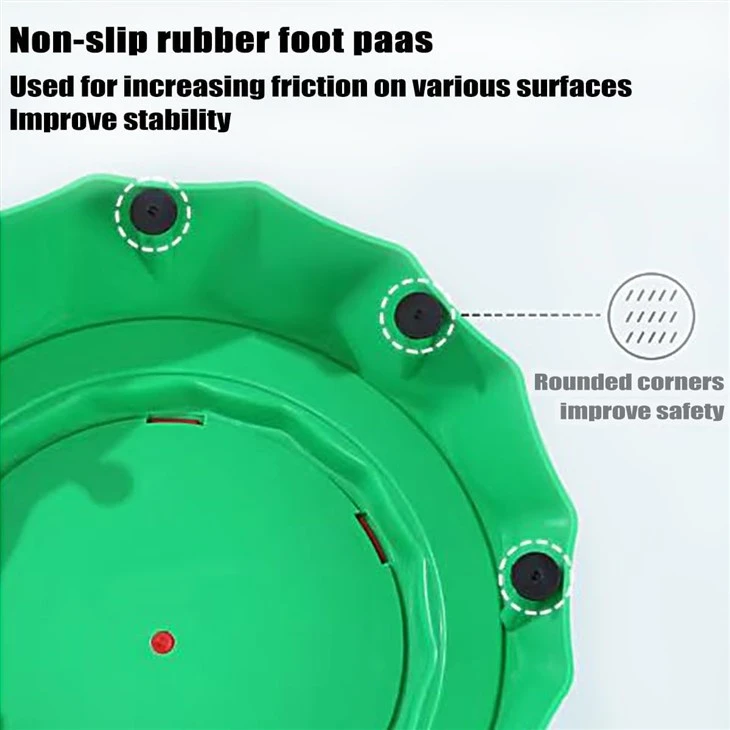
For more advanced gymnasts, the Non - Slip Plastic Balance Beams offer a stable and durable surface. They are designed to withstand the rigors of intense training and competition.
Conclusion
Correcting mistakes on a balance beam requires a combination of physical training, mental focus, and the right equipment. By identifying the common mistakes, implementing the strategies outlined above, and using high - quality balance beams, gymnasts can improve their performance and achieve their goals.
If you're interested in purchasing balance beams for your gym, school, or home, I encourage you to reach out to us for a consultation. We have a wide range of balance beams to suit different needs and budgets, and our team of experts can help you choose the right equipment for your specific requirements.
References
- Smith, J. (2018). The Complete Guide to Gymnastics Training. Fitness Press.
- Johnson, A. (2019). Mental Toughness in Gymnastics. Sports Psychology Publications.
- Brown, C. (2020). Balance Beam Skills and Techniques. Gymnastics World Magazine.