

As a supplier of sensory chairs, I often get asked whether these specialized chairs require any maintenance. In this blog post, I'll delve into the topic, providing you with comprehensive insights into the maintenance needs of sensory chairs.
Understanding Sensory Chairs
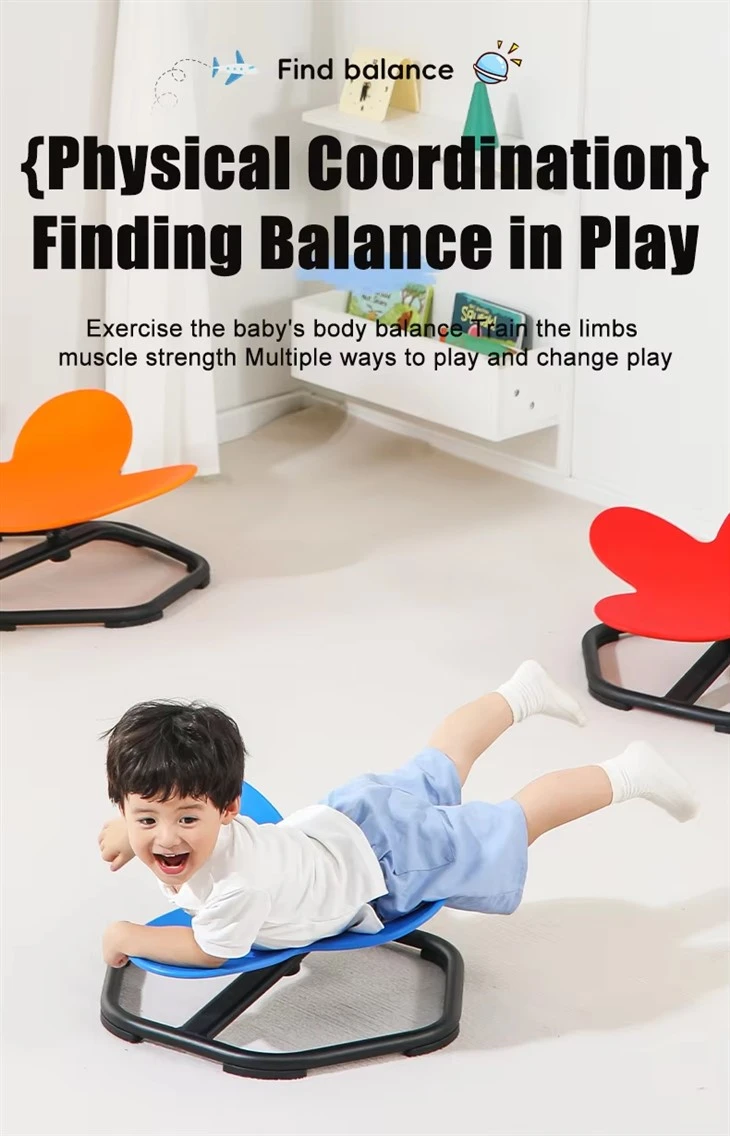
Before we discuss maintenance, it's essential to understand what sensory chairs are and their significance. Sensory chairs are designed to provide therapeutic benefits for individuals, especially children with sensory processing disorders, autism, ADHD, and other related conditions. These chairs come in various types, such as the Spinning Chair for Autistic Kids, Sensory Chair for Autism Kids, and Swivel Chair for Kids with Autism. They offer features like gentle rocking, spinning, and vibration, which help stimulate the senses, improve focus, and reduce anxiety.
General Maintenance Requirements
Like any other piece of furniture, sensory chairs do require some level of maintenance to ensure their longevity and optimal performance. Here are some general maintenance tips that apply to most sensory chairs:
Regular Cleaning
One of the most basic yet crucial maintenance tasks is regular cleaning. Sensory chairs are often used by children, who may spill food, drinks, or other substances on them. Additionally, dust and dirt can accumulate over time, which can affect the chair's appearance and functionality. To clean your sensory chair, start by vacuuming it to remove loose dirt and debris. Then, use a mild detergent and water solution to wipe down the chair's surface. Avoid using harsh chemicals or abrasive cleaners, as they can damage the chair's fabric or finish.
Inspection for Wear and Tear
Periodically inspect your sensory chair for signs of wear and tear. Check the chair's frame, joints, and moving parts for any cracks, loose screws, or other damage. If you notice any issues, address them promptly to prevent further damage and ensure the chair's safety. For example, if a screw is loose, tighten it using a screwdriver. If a part is damaged beyond repair, contact the manufacturer or a professional repair service for assistance.
Lubrication of Moving Parts
If your sensory chair has moving parts, such as a swivel or a rocker, it's important to lubricate them regularly to ensure smooth operation. Use a silicone-based lubricant or a lubricant recommended by the chair's manufacturer. Apply the lubricant to the moving parts according to the manufacturer's instructions, and wipe away any excess lubricant.
Proper Storage
When not in use, store your sensory chair in a dry, clean place. Avoid exposing the chair to direct sunlight, extreme temperatures, or humidity, as these conditions can damage the chair's fabric, finish, or electronics. If possible, cover the chair with a protective cover to prevent dust and dirt from accumulating on it.
Specific Maintenance Requirements for Different Types of Sensory Chairs
In addition to the general maintenance requirements mentioned above, different types of sensory chairs may have specific maintenance needs. Here are some examples:
Spinning Chairs
Spinning chairs, such as the Spinning Chair for Autistic Kids, require special attention to ensure their spinning mechanism functions properly. Regularly check the chair's spinning base for any signs of damage or wear. If the spinning mechanism becomes stiff or difficult to turn, apply a small amount of lubricant to the base's bearings or axles. Additionally, make sure the chair's base is stable and level to prevent it from tipping over during use.
Sensory Chairs with Vibration Function
Sensory chairs with a vibration function, such as the Sensory Chair for Autism Kids, require regular inspection of the vibration motor and its wiring. Check the motor for any signs of overheating, strange noises, or reduced vibration. If you notice any issues, contact the manufacturer or a professional repair service for assistance. Additionally, make sure the chair's power cord is in good condition and not damaged.
Swivel Chairs
Swivel chairs, such as the Swivel Chair for Kids with Autism, need to be checked regularly for smooth swiveling. Inspect the chair's swivel mechanism for any signs of wear or damage. If the swivel becomes stiff or difficult to turn, apply a small amount of lubricant to the swivel's bearings or axles. Also, ensure that the chair's base is stable and level to prevent it from wobbling during use.
Benefits of Regular Maintenance
Investing time and effort in maintaining your sensory chair offers several benefits:
Extended Lifespan
By following a regular maintenance schedule, you can significantly extend the lifespan of your sensory chair. Regular cleaning, inspection, and repair can prevent minor issues from turning into major problems, which can ultimately save you money in the long run.
Optimal Performance
A well-maintained sensory chair will perform better than one that is neglected. Regular cleaning and lubrication of moving parts ensure that the chair functions smoothly and efficiently, providing the intended therapeutic benefits.

Safety
Proper maintenance of your sensory chair is essential for the safety of the user. By regularly inspecting the chair for wear and tear and addressing any issues promptly, you can prevent accidents and injuries.
Conclusion
In conclusion, sensory chairs do require some level of maintenance to ensure their longevity, optimal performance, and safety. By following the general maintenance tips outlined in this blog post and addressing the specific maintenance needs of your sensory chair, you can keep it in good condition for years to come.
If you're interested in purchasing a sensory chair or have any questions about maintenance or our products, we'd love to hear from you. Feel free to reach out to us to start a conversation about your specific needs and how our sensory chairs can provide the therapeutic benefits you're looking for.
References
- Manufacturer's instructions for specific sensory chairs
- General furniture maintenance guidelines