

Can sensory toys be used for group play? That's a question I've been thinking about a lot lately, especially since I'm in the business of supplying sensory toys. I've seen firsthand how these toys can have a profound impact on individuals, but I've also wondered how they might work in a group setting. So, let's dive in and explore this topic together.
First off, what are sensory toys? Well, they're toys designed to stimulate one or more of the senses - touch, sight, hearing, smell, and taste. They come in all shapes and sizes, from fidget spinners and stress balls to Kids Hurdle Sets and Autism Spinning Chair for Kids. These toys can be incredibly beneficial for people of all ages, but they're especially popular among children with sensory processing issues, autism, ADHD, and other developmental disorders.
Now, let's talk about group play. Group play is an essential part of childhood development. It helps kids learn social skills, communication skills, cooperation, and problem-solving. It also provides opportunities for physical activity, creativity, and imagination. So, the question is, can sensory toys enhance group play? The answer is a resounding yes!
One of the great things about sensory toys is that they can be used in a variety of group activities. For example, you could set up a sensory station with a bunch of different toys and let the kids explore and play together. This could include things like sand and water tables, kinetic sand, play dough, and sensory bins filled with different textures and objects. The kids can work together to create, build, and discover, all while engaging their senses.
Another way to use sensory toys in group play is through organized games and activities. For instance, you could play a game of "sensory bingo" where each square on the bingo card has a different sensory experience, like feeling a soft object, listening to a loud sound, or smelling a fragrant flower. The kids can take turns finding and completing the squares, which helps them learn about different sensations and have fun at the same time.
You could also use sensory toys to teach group lessons and concepts. For example, you could use a Curvy Rocker Board for Yoga to teach a yoga class or a balance and coordination lesson. The kids can work together to practice different poses and movements, which helps them improve their physical skills and learn about mindfulness and relaxation.
In addition to these activities, sensory toys can also be used to create a more inclusive and supportive group environment. For kids with sensory processing issues or other disabilities, sensory toys can provide a safe and comfortable space to play and interact with their peers. They can use the toys to self-regulate, calm down, and feel more confident and engaged in the group.
Of course, like any toy or activity, there are some things to keep in mind when using sensory toys for group play. First, it's important to choose toys that are appropriate for the age and developmental level of the kids. You don't want to give them toys that are too difficult or too easy, as this can lead to frustration or boredom.

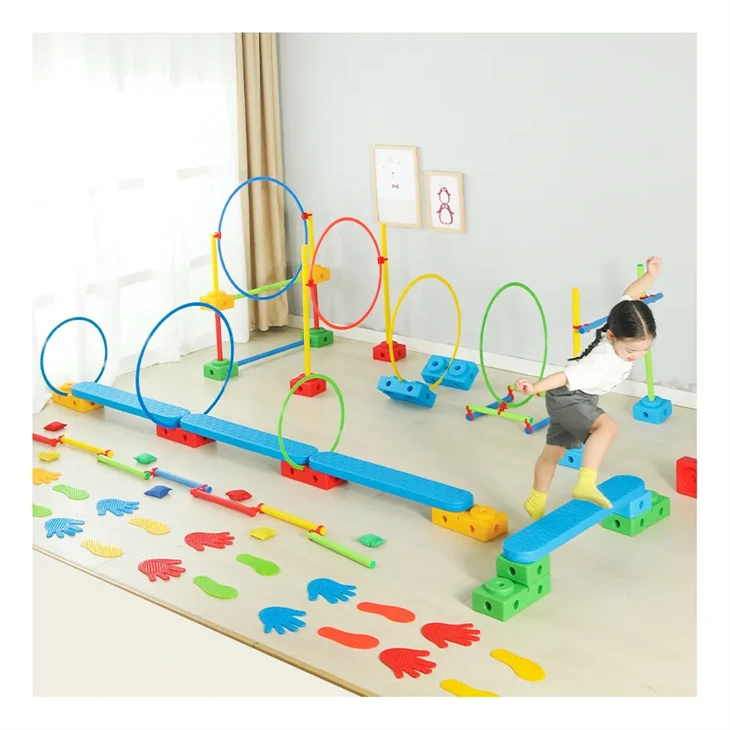
Second, it's important to provide clear instructions and guidelines for using the toys. Make sure the kids know how to use the toys safely and appropriately, and encourage them to share and take turns. You may also want to set some ground rules, such as no hitting, no throwing, and no eating the toys.
Finally, it's important to monitor the group play and intervene if necessary. If you notice that a child is having a hard time or if there's a conflict between the kids, step in and help resolve the issue. You can also use the opportunity to teach the kids about empathy, respect, and problem-solving.
In conclusion, sensory toys can be a great addition to group play. They can enhance social skills, communication skills, cooperation, and problem-solving, all while providing a fun and engaging sensory experience. Whether you're a teacher, a therapist, a parent, or a caregiver, I encourage you to try using sensory toys in your group activities and see the positive impact they can have.
If you're interested in purchasing sensory toys for your group, I'd love to help. As a sensory toy supplier, I offer a wide range of high-quality toys at affordable prices. Whether you're looking for something for a classroom, a therapy center, a daycare, or a home, I've got you covered. Just get in touch with me, and we can discuss your needs and find the perfect toys for your group.
References
- Gray, C. (1994). Social Stories™ and Comic Strip Conversations. Future Horizons.
- Kranowitz, C. S. (2005). The Out-of-Sync Child: Recognizing and Coping with Sensory Integration Dysfunction. Penguin Books.
- Wilbarger, P. J., & Wilbarger, J. L. (1991). The Sensory Diet. Western Psychological Services.