

Hey there! I'm a supplier of sensory chairs, and I've been thinking a lot lately about whether these cool chairs can find a place in zoos. You know, sensory chairs are pretty amazing. They're designed to provide different kinds of sensory input, like gentle movement, vibration, or tactile feedback. And they're usually used in places like schools, therapy centers, and homes for kids with special needs. But what about zoos? Let's dig into this idea.
First off, let's talk about what zoos are all about. Zoos are places where people go to learn about different animals from all over the world. They're full of sights, sounds, and smells that can be really overwhelming, especially for kids. There are the loud roars of lions, the squawking of birds, and the constant movement of people and animals. For some kids, this can be a bit too much, and they might feel stressed or overstimulated.
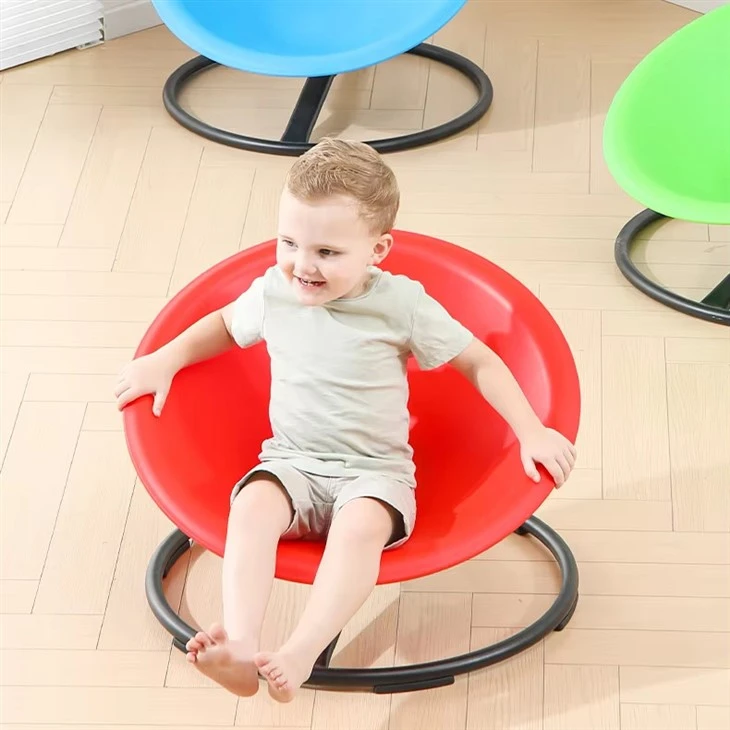
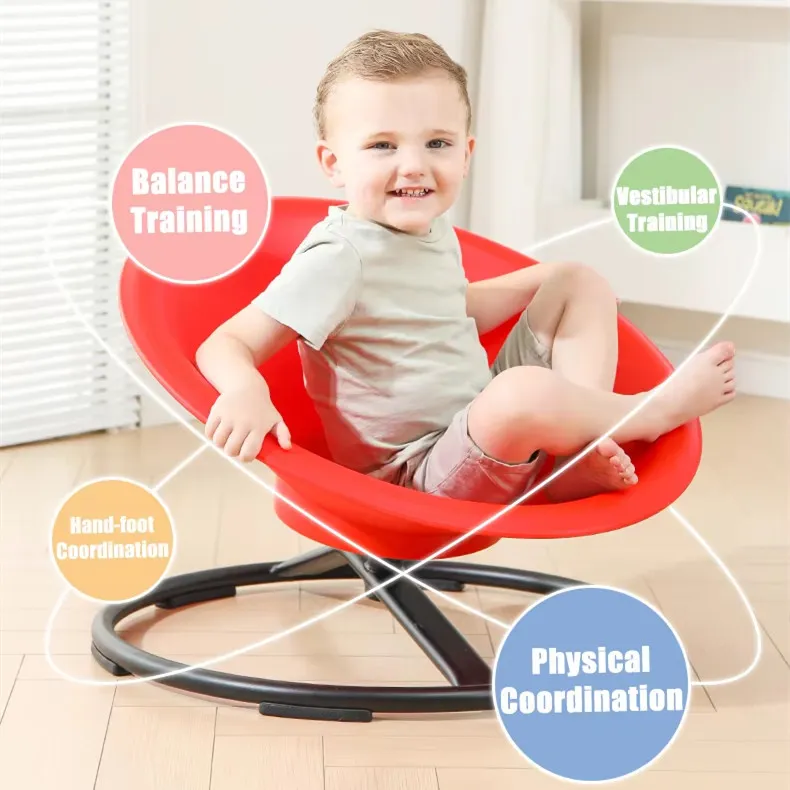
That's where sensory chairs come in. Sensory chairs can offer a calming and regulated environment. For example, the Spin Sensory Chair for Kids allows kids to spin gently, which can be really soothing. It gives them a chance to focus on a single, controlled movement instead of being bombarded by all the chaos around them in the zoo.
Now, let's consider the different types of sensory needs. Some kids, especially those with autism, have unique sensory requirements. The Sensory Chair for Autism Kids is specifically designed to meet these needs. It might have features like soft padding for tactile comfort, and it can provide a safe space for kids to take a break from the over - stimulating zoo environment.
In a zoo, there could be different areas where these sensory chairs could be placed. Near the entrance, for instance, kids could use the chairs before they even start their zoo adventure. This would help them get into a more relaxed state of mind and be better prepared to handle the sensory overload. Also, in areas with particularly noisy or crowded exhibits, like the primate or big cat enclosures, sensory chairs could be set up. Kids could take a quick break there, calm down, and then continue exploring.
Another great thing about using sensory chairs in zoos is that it promotes inclusivity. Zoos are meant to be educational and fun for everyone, regardless of their sensory sensitivities. By providing sensory chairs, zoos can make sure that kids with special needs can fully enjoy the experience. It's like saying, "Hey, we welcome you here, and we've got something to help you have a great time."
Let's also talk about the practical aspects. Sensory chairs are generally easy to move around and set up. They don't take up too much space, so it wouldn't be a hassle for the zoo staff to place them in different locations. And they're built to be durable, which is important considering the high - traffic nature of zoos.
But, of course, there are some potential challenges. One concern could be the cost. Zoos already have a lot of expenses, from animal care to facility maintenance. Adding sensory chairs to the budget might seem like an extra burden. However, I believe that the long - term benefits, such as increased visitor satisfaction and better educational experiences, outweigh the initial cost.
Another challenge could be the maintenance of the chairs. Since they'll be used by a lot of different kids in a public setting, they need to be kept clean and in good working condition. But with proper guidelines and a regular cleaning schedule, this can be easily managed.
Now, let's think about the impact on the zoo's reputation. If a zoo starts offering sensory chairs, it can attract more families with special - needs kids. Word will spread, and it could become known as an inclusive and family - friendly place. This can lead to an increase in visitors, which is great for the zoo's bottom line.
Also, from an educational perspective, the sensory chairs can be used as part of the zoo's educational programs. Teachers or zoo educators could use the chairs to teach kids about sensory processing and how different animals have their own unique sensory systems. It adds an extra layer of learning to the zoo experience.
The Autism Spinning Chair for Kids is another option that could work well in zoos. It offers a different kind of sensory input through spinning, which can be really beneficial for kids who need that kind of movement to self - regulate.
In conclusion, I firmly believe that sensory chairs can definitely be used in zoos. They offer a solution to the sensory challenges that many kids face in these environments. They promote inclusivity, enhance the educational experience, and can even have a positive impact on the zoo's reputation.
If you're a zoo manager, educator, or someone involved in zoo operations, I'd love to talk to you about how our sensory chairs can be a great addition to your zoo. We can have a detailed discussion about the different models, placement options, and cost - effective solutions. Just reach out, and let's start this exciting journey of making zoos more accessible and enjoyable for all kids.
References
- Research on sensory integration and its benefits for children with special needs.
- Studies on the impact of environmental factors on children's behavior in public settings.