

Hey there! As a supplier of sensory chairs, I've been getting a lot of questions lately about whether sensory chairs can be used in auditoriums. Well, let's dive right into this topic and see if these cool chairs have a place in those big, fancy auditoriums.
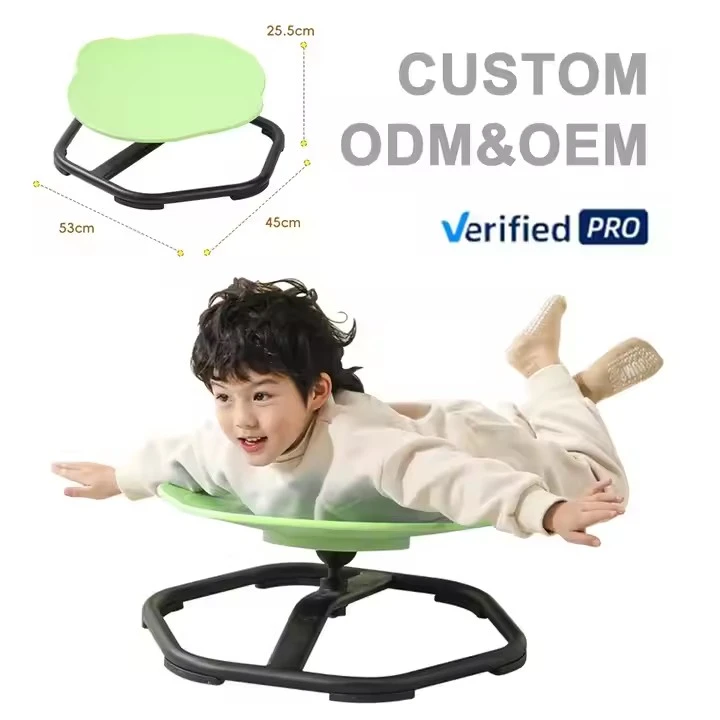
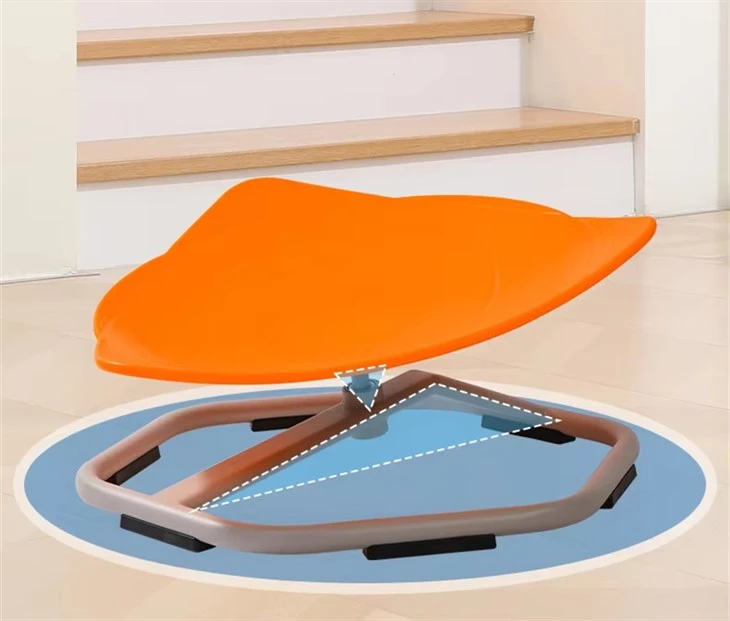
First off, let's talk about what sensory chairs are. Sensory chairs are designed to provide a range of sensory experiences. They can help people, especially kids, with sensory processing issues to focus, relax, and engage better. There are different types of sensory chairs, like the Sensory Spinning Chair for Kids, which gives a fun spinning sensation, and the Kids Sit and Spin Toy, which is a great option for little ones to have some active play while sitting. And for kids with autism, the Autism Spinning Chair for Kids is specially crafted to meet their unique sensory needs.
Now, let's think about auditoriums. Auditoriums are places where people gather for all sorts of events - concerts, plays, lectures, you name it. They usually have rows and rows of seats, and the environment is often pretty formal. So, can sensory chairs fit into this kind of setting?
One of the main advantages of using sensory chairs in auditoriums is the inclusivity factor. There are many people, especially kids with special needs, who might find it difficult to sit still in a regular auditorium seat for a long time. Sensory chairs can provide the extra sensory input they need to stay comfortable and focused during the event. For example, a child with ADHD might have a hard time sitting still in a traditional chair, but a sensory spinning chair can give them that gentle movement they crave, allowing them to better enjoy the performance or presentation.
Another benefit is that sensory chairs can enhance the overall experience for everyone. When people are more comfortable and engaged, they're likely to have a better time at the event. Imagine a concert where some audience members are sitting in sensory chairs, bobbing and swaying gently as the music plays. It could add a whole new level of energy and fun to the atmosphere.
But, of course, there are also some challenges to consider. Auditoriums are designed with a specific layout and capacity in mind. Sensory chairs might take up more space than regular seats, which could be a problem if the auditorium is trying to maximize the number of attendees. Also, the movement and noise associated with some sensory chairs could potentially be a distraction to other audience members. For instance, a spinning chair that makes a lot of noise could disrupt the concentration of people sitting nearby.
So, how can we make sensory chairs work in auditoriums? One solution is to set aside a specific area for sensory chairs. This way, people who want to use them can do so without disturbing others. The auditorium could also provide clear guidelines about the use of sensory chairs, such as asking users to keep the movement and noise to a minimum.
Another option is to choose sensory chairs that are more suitable for the auditorium environment. There are sensory chairs that are designed to be more stationary but still provide sensory input, like chairs with built - in vibration or textured surfaces. These chairs can offer the benefits of sensory stimulation without the risk of causing too much disruption.
In terms of the practical aspects, auditoriums would need to ensure that the sensory chairs are properly maintained and cleaned. Since they might be used by different people, hygiene is an important factor. The auditorium management could also work with the sensory chair supplier (that's me!) to train their staff on how to handle and set up the chairs correctly.
Now, let's talk about the cost. Sensory chairs can be more expensive than regular auditorium seats. However, when you consider the long - term benefits of inclusivity and enhanced audience experience, it could be a worthwhile investment. Auditoriums could look into funding options, such as grants or partnerships with local organizations, to help cover the cost of purchasing sensory chairs.
If you're an auditorium manager or someone involved in event planning, and you're thinking about adding sensory chairs to your venue, I'd love to have a chat with you. I can provide you with more information about the different types of sensory chairs we offer, their features, and how they can fit into your specific auditorium. We can also work together to come up with a plan that meets your needs and budget.
In conclusion, sensory chairs can definitely have a place in auditoriums. With some careful planning and consideration, they can bring a new level of inclusivity and enjoyment to events. Whether it's a child with special needs finally being able to fully participate in a concert or a group of friends having a more engaging experience at a play, sensory chairs have the potential to make a big difference. So, if you're interested in exploring this option for your auditorium, don't hesitate to reach out. Let's work together to create a more inclusive and exciting event space!
References:
- "Sensory Integration and the Child" by A. Jean Ayres
- "The Benefits of Sensory Toys for Children with Special Needs" - various research articles from child development journals
So, what are you waiting for? Let's start this journey of making your auditorium more inclusive and fun with sensory chairs!