

As a supplier of sensory chairs, I've often been asked about the diverse applications of these unique products. One question that frequently comes up is whether sensory chairs can be used in a self - esteem building session. In this blog, I'll explore the scientific basis behind this query and share insights on how sensory chairs can contribute to enhancing self - esteem.
Understanding Sensory Chairs
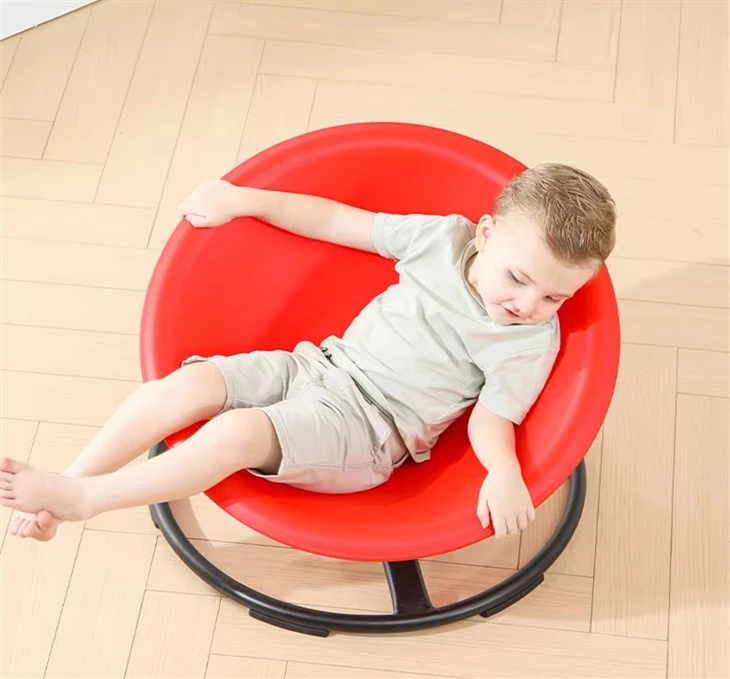
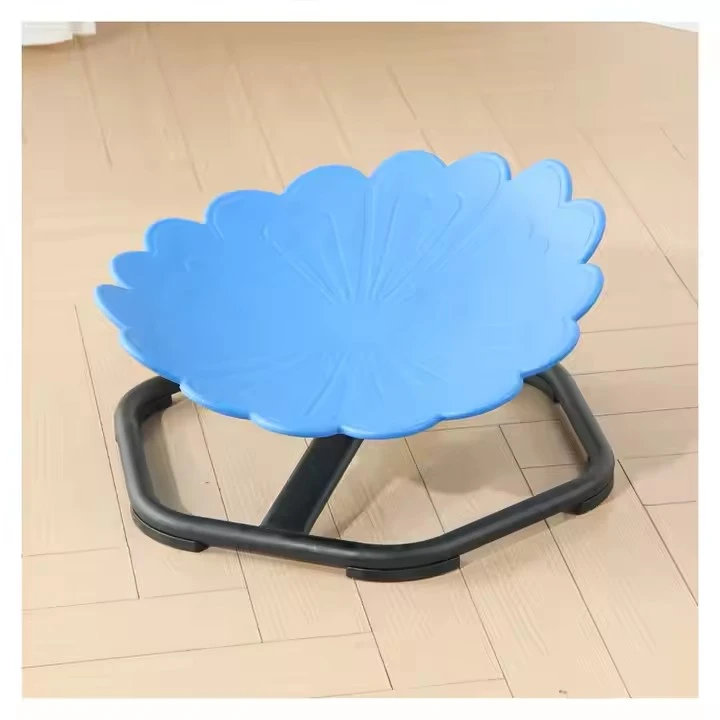
Before delving into their role in self - esteem building, let's first understand what sensory chairs are. Sensory chairs are specially designed seating options that provide various forms of sensory input. They come in different types, such as the Sensory Spinning Chair for Kids, which offers a rotational movement, the Wobble Disc for Kids, which provides an unstable surface for balance and movement, and the Spin Sensory Chair for Kids, which combines spinning and other sensory elements.
These chairs are not just ordinary seats; they are therapeutic tools that engage multiple senses. The movement, texture, and sometimes even auditory or visual elements associated with sensory chairs can have a profound impact on the user's nervous system.
The Science of Self - Esteem and Sensory Input
Self - esteem is a complex psychological construct that refers to an individual's overall sense of self - worth and value. It is influenced by various factors, including personal achievements, social interactions, and internal self - perception. Sensory input plays a crucial role in shaping these aspects.
When a person uses a sensory chair, the body receives a stream of sensory information. This input stimulates the brain and activates the nervous system. For example, the spinning motion of a sensory chair can enhance the vestibular system, which is responsible for balance and spatial awareness. As the vestibular system is stimulated, it sends signals to the brain, promoting better coordination and body control.
Improved coordination and body control can lead to a sense of mastery. When individuals are able to perform tasks more effectively, such as sitting upright on a wobble disc or controlling the spin of a sensory chair, they experience a sense of accomplishment. This sense of accomplishment is a key component in building self - esteem.
Moreover, sensory input can also have a calming effect on the nervous system. Many people, especially those with sensory processing disorders or high levels of stress, may find the rhythmic movement and tactile feedback of a sensory chair soothing. When a person feels calm and relaxed, they are more likely to approach tasks with a positive mindset. This positive mindset can lead to better performance and, in turn, higher self - esteem.
Sensory Chairs in a Self - Esteem Building Session
In a self - esteem building session, sensory chairs can be used in several ways.
1. Skill Development
Sensory chairs can be incorporated into activities that focus on skill development. For example, a therapist or educator can design a session where participants are asked to perform specific tasks while sitting on a sensory chair. This could include balancing a small object on their lap while the chair is spinning or completing a simple puzzle on a wobble disc. As participants successfully complete these tasks, they gain confidence in their abilities, which directly contributes to self - esteem.
2. Group Interaction
Sensory chairs can also be used to facilitate group interaction. In a group setting, participants can take turns using the sensory chairs and share their experiences. For instance, after using a spin sensory chair, a participant can describe how it felt and what they learned from the experience. This sharing not only helps individuals process their own feelings but also allows them to learn from others. Positive social interactions like these can enhance self - esteem by providing a sense of belonging and acceptance.
3. Relaxation and Reflection
A self - esteem building session is not just about physical activities; it also involves emotional and mental reflection. Sensory chairs can be used as a tool for relaxation and reflection. Participants can sit in a sensory chair, close their eyes, and focus on their breathing while the chair provides a gentle, rhythmic movement. This relaxation can help individuals clear their minds and gain a better understanding of their emotions. By being more in tune with their emotions, individuals can work on improving their self - perception, which is essential for building self - esteem.
Case Studies and Real - Life Examples
There are numerous case studies that support the use of sensory chairs in self - esteem building. For example, in a school setting, a group of students with learning difficulties was introduced to sensory chairs. The students were encouraged to use the chairs during breaks and in special therapy sessions. Over time, teachers noticed a significant improvement in the students' self - confidence. The students were more willing to participate in class discussions, take on new challenges, and interact with their peers.
Another example comes from a therapy center that specializes in treating individuals with autism spectrum disorder. Sensory chairs were incorporated into self - esteem building sessions. The clients reported feeling more in control of their bodies and emotions after using the sensory chairs. They also showed an increase in self - reported self - esteem scores, indicating that the use of sensory chairs had a positive impact on their overall sense of self - worth.
Considerations for Using Sensory Chairs in Self - Esteem Building Sessions
While sensory chairs can be powerful tools in a self - esteem building session, there are some considerations to keep in mind.
1. Individual Needs
Not all individuals will respond to sensory chairs in the same way. Some people may be overly sensitive to certain types of sensory input, such as spinning or strong tactile sensations. It is important to assess each individual's sensory preferences and sensitivities before introducing a sensory chair. This can help ensure that the chair is a positive and beneficial tool for each participant.
2. Safety
Safety is always a top priority when using sensory chairs. The chairs should be properly maintained and inspected regularly to ensure that they are in good working condition. In addition, appropriate safety measures should be in place, such as using seat belts or having a supervisor present during use.
Conclusion
In conclusion, sensory chairs can indeed be used effectively in a self - esteem building session. Their ability to provide sensory input, promote skill development, facilitate group interaction, and offer relaxation makes them valuable tools in enhancing self - esteem. As a sensory chair supplier, I am passionate about sharing the benefits of these chairs with others.
If you are interested in incorporating sensory chairs into your self - esteem building programs or therapy sessions, I encourage you to reach out to discuss your specific needs. Whether you are a therapist, educator, or someone looking to support a loved one, we can work together to find the right sensory chairs for your situation.
References
- Ayres, A. J. (1972). Sensory integration and learning disorders. Western Psychological Services.
- Coopersmith, S. (1967). The antecedents of self - esteem. W. H. Freeman and Company.
- Dunn, W. (2001). The sensory profile. Western Psychological Services.