

Hey there! I'm a supplier of sensory chairs, and today I wanna chat about whether sensory chairs can be used in a nutritional therapy session. It's an interesting question that combines two different areas, and I'm excited to dig into it.
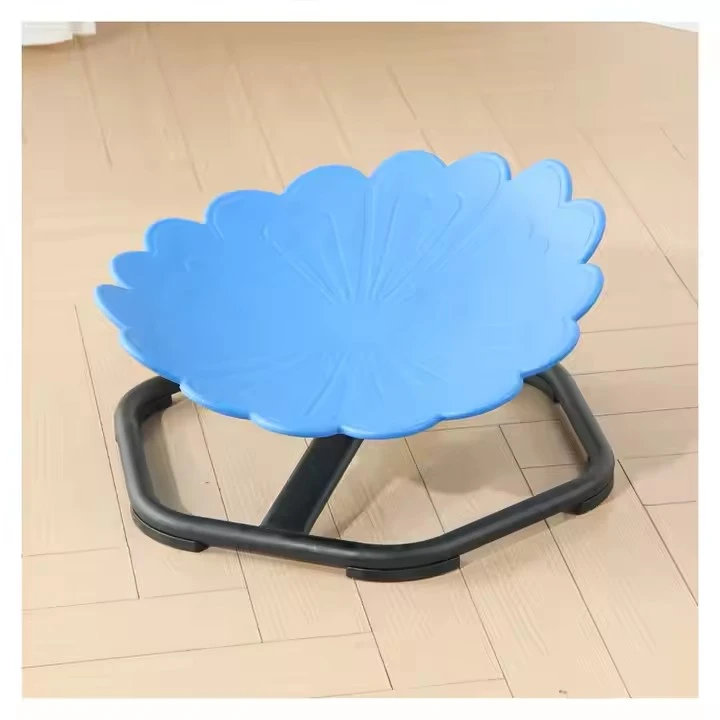
First off, let's talk about what sensory chairs are. Sensory chairs are designed to provide a variety of sensory inputs to the user. They come in different shapes and sizes, and some of the popular ones include the Kids Sensory Swivel Spinning Chair, Swivel Chair for Kids with Autism, and Wobble Disc for Kids. These chairs can offer things like movement, pressure, and tactile feedback, which can be really beneficial for people with sensory processing issues.
Now, let's think about nutritional therapy. Nutritional therapy is all about using food and supplements to improve a person's health. It often involves one - on - one sessions where the therapist and the client discuss diet, eating habits, and any health concerns. During these sessions, the client needs to be relaxed and focused so that they can fully engage in the conversation and understand the advice given.
So, can sensory chairs fit into this picture? Well, I think they definitely can. For starters, many people who might benefit from nutritional therapy also have sensory processing difficulties. For example, children with autism or ADHD may have trouble sitting still during a long therapy session. A sensory chair can provide them with the movement and sensory input they crave, allowing them to stay more focused. When a child is sitting in a Swivel Chair for Kids with Autism, they can gently spin or rock, which can help them self - regulate their sensory system. This means they're less likely to get distracted by their own need for movement and more likely to pay attention to what the nutritional therapist is saying.
Another aspect is stress reduction. Nutritional therapy can sometimes be a bit overwhelming, especially if the client has a lot of health issues to address. Sensory chairs can help reduce stress. The gentle movements and the tactile feedback from the chair can have a calming effect on the body. When a person is less stressed, they're more receptive to new information. For instance, if someone is sitting in a Kids Sensory Swivel Spinning Chair during a nutritional therapy session, the rhythmic spinning can trigger the release of endorphins, which are natural mood - lifters. This can create a more positive and relaxed atmosphere for the therapy session.
Moreover, sensory chairs can also enhance the overall sensory experience during the session. Nutritional therapy is not just about the words exchanged; it's also about the environment. A sensory chair can add an extra layer of comfort and engagement. The different textures of the chair, the way it moves, can make the client feel more involved in the session. It's like creating a multi - sensory learning experience. If a client is using a Wobble Disc for Kids while sitting on a regular chair, the gentle wobbly motion can keep them aware of their body position and add a bit of fun to the session.
Let's look at it from the therapist's perspective too. For a nutritional therapist, having a client who is engaged and focused is crucial. When a client is sitting in a sensory chair, they're more likely to stay in the moment and participate actively in the discussion. This can make the therapy more effective. The therapist can also use the sensory chair as a tool to build rapport with the client. For example, they can ask the client how they like the movement of the chair or if it helps them feel more comfortable. This kind of interaction can strengthen the therapeutic relationship.
However, there are also some things to consider. Not all clients will need or want a sensory chair. Some people may find the movement or the sensory input too distracting. It's important for the nutritional therapist to assess each client's needs and preferences before introducing a sensory chair. Also, the sensory chair should not become the main focus of the session. It's just a tool to enhance the experience, not the core of the nutritional therapy.
In addition, the sensory chair needs to be used appropriately. For example, if a client has a physical condition that makes certain movements uncomfortable or dangerous, the chair should be adjusted or a different type of chair should be chosen. The therapist should also make sure that the chair is clean and well - maintained to ensure the client's safety and hygiene.
In conclusion, sensory chairs can definitely be used in a nutritional therapy session. They offer a range of benefits such as improving focus, reducing stress, and enhancing the overall sensory experience. But like any tool, they need to be used wisely and tailored to the individual client's needs.
If you're a nutritional therapist or someone involved in a related field and you're interested in incorporating sensory chairs into your sessions, I'd love to have a chat with you. We can discuss which type of sensory chair would be the best fit for your clients and your therapy environment. Whether it's the Kids Sensory Swivel Spinning Chair, Swivel Chair for Kids with Autism, or Wobble Disc for Kids, we've got options to suit different needs. Don't hesitate to reach out and start a conversation about how we can work together to make your nutritional therapy sessions even better.

References
American Occupational Therapy Association. (2023). Sensory integration and sensory processing.
Journal of Nutrition and Therapy. (2022). The impact of environment on nutritional therapy outcomes.