

Sensory chairs have gained significant attention in recent years, especially in the context of therapeutic interventions. As a supplier of high - quality sensory chairs, I've often been asked whether these chairs can be used in a massage therapy session. In this blog, I'll explore this question in depth, examining the features of sensory chairs, the nature of massage therapy, and how the two might intersect.
Understanding Sensory Chairs
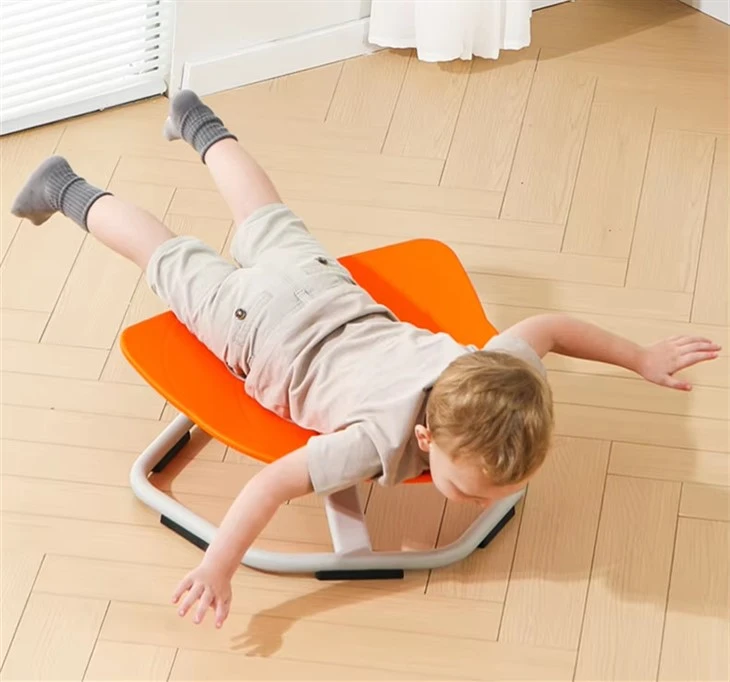
Sensory chairs are designed to provide a variety of sensory inputs to the user. They come in different forms, such as the Swivel Chair for Kids with Autism, Spin Sensory Chair for Kids, and Sensory Spinning Chair for Kids. These chairs typically offer movement, vibration, and sometimes even tactile elements to stimulate the vestibular, proprioceptive, and tactile senses.
The vestibular system, located in the inner ear, is responsible for our sense of balance and spatial orientation. Sensory chairs that provide spinning or rocking movements can stimulate this system, helping to improve balance and coordination. The proprioceptive sense, which gives us information about the position and movement of our body parts, can be activated through the pressure and resistance provided by the chair's design. Tactile stimulation can be achieved through the use of different materials on the chair's surface, such as soft fabrics or textured elements.
The Basics of Massage Therapy
Massage therapy is a hands - on treatment that involves manipulating the soft tissues of the body, including muscles, tendons, ligaments, and fascia. The primary goals of massage therapy can vary widely, from relieving pain and muscle tension to reducing stress and promoting relaxation. Therapists use a variety of techniques, such as kneading, stroking, and applying pressure, to achieve these goals.
During a massage therapy session, the client usually lies on a massage table or sits in a specially designed massage chair. The environment is often set up to be calm and relaxing, with soft lighting and soothing music. The therapist assesses the client's needs and tailors the massage to address specific issues, whether it's a sports injury, chronic pain, or simply the need for stress relief.
Can Sensory Chairs Be Used in a Massage Therapy Session?
The answer is yes, sensory chairs can indeed be used in a massage therapy session, and there are several reasons why they can be beneficial.
Enhanced Relaxation
One of the main goals of massage therapy is to help the client relax. Sensory chairs can contribute to this relaxation process. The gentle movements and vibrations of a sensory chair can have a calming effect on the nervous system, making it easier for the client to let go of stress and tension. For example, a slow - rocking sensory chair can mimic the gentle motion of being cradled, which is a very soothing experience for many people. This pre - relaxation state can enhance the overall effectiveness of the massage, as the muscles are more likely to respond better to the therapist's manipulations.
Improved Body Awareness
Sensory chairs stimulate the proprioceptive and vestibular senses, which can improve the client's body awareness. When a client has a better sense of their body's position and movement, they are more likely to be able to relax into the massage and communicate more effectively with the therapist. For instance, if a client is more aware of the tension in a particular muscle group, they can provide more accurate feedback to the therapist, allowing for a more targeted and effective massage.
Customized Therapy
Sensory chairs come in a variety of styles and configurations, which means they can be customized to meet the specific needs of different clients. For clients with sensory processing disorders or special needs, a sensory chair can provide a familiar and comfortable environment. The therapist can adjust the chair's settings, such as the speed of the movement or the intensity of the vibration, to create a personalized experience. This customization can make the massage therapy session more accessible and beneficial for a wider range of clients.
Considerations When Using Sensory Chairs in Massage Therapy
While there are many potential benefits to using sensory chairs in massage therapy, there are also some important considerations.
Safety
Safety is always the top priority. Before using a sensory chair in a massage therapy session, the therapist should ensure that the chair is in good working condition and that all safety features are functioning properly. The client should also be properly secured in the chair to prevent any falls or injuries during the massage.
Client Comfort
Not all clients will be comfortable using a sensory chair. Some clients may find the movements or vibrations overwhelming, especially if they have a history of sensory sensitivities. The therapist should have a conversation with the client before the session to understand their preferences and concerns. If a client is not comfortable with the sensory chair, the therapist should be prepared to use a traditional massage table or chair instead.
Therapist Training
Therapists who plan to use sensory chairs in their practice should receive proper training. They need to understand how the sensory chair works, how to adjust its settings, and how to integrate it into the massage therapy session effectively. This training can help ensure that the therapist uses the chair in a way that is safe and beneficial for the client.
Case Studies
To illustrate the potential benefits of using sensory chairs in massage therapy, let's look at a few case studies.
Case 1: A Client with Chronic Stress
Mr. Smith, a 45 - year - old office worker, had been experiencing chronic stress and muscle tension in his neck and shoulders. He had tried traditional massage therapy on a massage table, but he found it difficult to fully relax. During his next session, the therapist decided to use a sensory chair with gentle rocking movements. As soon as Mr. Smith sat in the chair, he noticed a sense of calmness wash over him. The rocking motion helped him to let go of the tension in his body, and he was able to relax more deeply during the massage. After the session, Mr. Smith reported feeling less stressed and more refreshed.
Case 2: A Client with a Sensory Processing Disorder
Ms. Johnson, a 20 - year - old with a sensory processing disorder, had always been hesitant to try massage therapy. She was sensitive to touch and movement, and the idea of a traditional massage made her anxious. However, when the therapist introduced her to a sensory chair with adjustable settings, she felt more at ease. The therapist adjusted the chair to provide a slow, gentle vibration and a soft rocking motion. Ms. Johnson was able to tolerate the massage better in the sensory chair, and she reported that it was a more positive experience than she had expected.
How to Incorporate Sensory Chairs into Your Massage Therapy Practice
If you're a massage therapist interested in incorporating sensory chairs into your practice, here are some steps you can take:
Research and Select the Right Chair
There are many different types of sensory chairs on the market, so it's important to do your research and select a chair that meets your needs and the needs of your clients. Consider factors such as the chair's features, durability, and ease of use. Look for chairs that have adjustable settings so that you can customize the experience for each client.
Train Your Staff
As mentioned earlier, proper training is essential. Make sure that all your massage therapists are trained on how to use the sensory chair safely and effectively. They should understand how to adjust the settings, how to secure the client in the chair, and how to integrate the chair into the massage therapy session.
Market the Service
Once you have the sensory chair and your staff is trained, it's time to let your clients know about this new service. You can create marketing materials, such as brochures or social media posts, highlighting the benefits of using a sensory chair in a massage therapy session. You can also offer special promotions or introductory sessions to encourage clients to try it out.
Conclusion
In conclusion, sensory chairs can be a valuable addition to a massage therapy session. They can enhance relaxation, improve body awareness, and provide a customized experience for clients. However, it's important to consider safety, client comfort, and proper training when using these chairs. As a supplier of sensory chairs, I'm excited to see how massage therapists are incorporating these innovative products into their practices to provide better care for their clients.
If you're a massage therapist or a business owner interested in exploring the use of sensory chairs in your practice, I encourage you to reach out to me. I can provide you with more information about our range of sensory chairs and help you find the perfect solution for your needs. Let's work together to enhance the quality of massage therapy sessions and improve the well - being of your clients.

References
- American Massage Therapy Association. (2023). Massage Therapy: What You Need to Know.
- Sensory Processing Disorder Foundation. (2023). Understanding Sensory Processing.
- Vestibular Disorders Association. (2023). The Vestibular System and Your Health.