

Hey there! As a supplier of sensory chairs, I've been getting a lot of questions lately about whether these chairs can be used in a herbal therapy session. It's a super interesting topic, and I'm excited to dive into it with you.
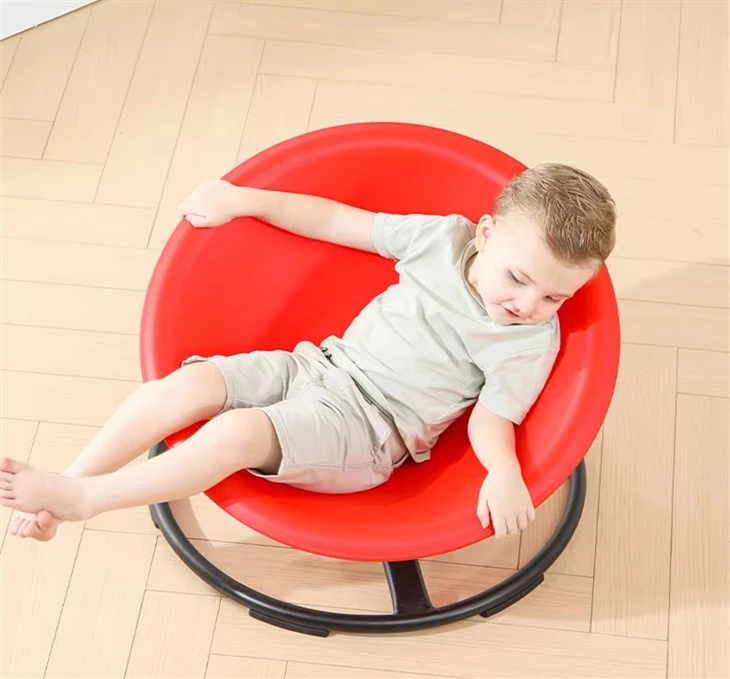
First off, let's talk about what sensory chairs are. These are chairs designed to provide sensory input to the user. They come in all sorts of shapes and sizes, and they can do things like spin, rock, or vibrate. For example, our Spin Sensory Chair for Kids is a great option for kids who love to spin and get that extra vestibular input. It helps them feel more grounded and focused.
Now, herbal therapy is all about using herbs to promote health and well - being. It can involve things like herbal teas, essential oil diffusions, or herbal massages. The idea behind it is that herbs have natural properties that can calm the mind, reduce stress, and even improve physical health.
So, can these two things go together? Well, I think there's definitely potential. Let's break it down a bit.
The Benefits of Combining Sensory Chairs and Herbal Therapy
Relaxation
One of the main goals of both sensory chairs and herbal therapy is relaxation. When you sit in a sensory chair, the gentle movements or vibrations can help your body relax. For instance, our Swivel Chair for Kids allows kids to gently swivel back and forth. This kind of movement can be very soothing, similar to the way a rocking chair can lull you into a state of calm.
On the other hand, herbal therapy uses herbs like lavender, chamomile, and lemon balm, which are known for their relaxing properties. When you combine the physical relaxation from the sensory chair with the aromatic and therapeutic effects of the herbs, you might get an even more powerful relaxation experience. Imagine sitting in a sensory chair, gently swaying, while the air is filled with the calming scent of lavender essential oil. It's like a little oasis of relaxation.
Sensory Integration
Sensory chairs are designed to help with sensory integration, which is the process of organizing and making sense of the information our senses receive. For kids with sensory processing issues, like those on the autism spectrum, sensory chairs can be incredibly helpful. Our Swivel Chair for Kids with Autism is specifically designed to provide the right amount of sensory input to help these kids feel more comfortable and focused.
Herbal therapy can also contribute to sensory integration. The smell of herbs is a powerful sensory input. Different herbs can stimulate different parts of the brain, and this can enhance the overall sensory experience. For example, the smell of peppermint can be invigorating, while the smell of rose can be calming. By using herbs in a sensory chair session, you can add another layer of sensory input, which might help with better sensory integration.

Stress Reduction
Stress is a big problem for many people these days. Both sensory chairs and herbal therapy can play a role in reducing stress. The repetitive movements in a sensory chair can have a meditative effect, helping to clear the mind and reduce anxiety. Herbal therapy, with its natural herbs, can also lower stress levels. For example, ashwagandha is an herb that has been shown to reduce cortisol, the stress hormone.
When you combine the stress - reducing effects of a sensory chair with the herbal therapy, you can create a more effective stress - management strategy. It's like having a one - two punch against stress.
How to Incorporate Sensory Chairs into Herbal Therapy Sessions
Setting the Scene
First, you need to create a relaxing environment. Choose a quiet room where the person can sit in the sensory chair without distractions. You can use a diffuser to spread the scent of the herbs throughout the room. For example, if you're using lavender, fill the diffuser with water and a few drops of lavender essential oil. Then, turn on the diffuser and let the soothing scent fill the air.
Choosing the Right Herbs
The choice of herbs depends on the goals of the therapy session. If the goal is relaxation, herbs like lavender, chamomile, and valerian root are great choices. If you're looking for something to boost energy, you might consider herbs like ginseng or green tea. You can use the herbs in different forms, such as essential oils, herbal teas, or herbal sachets.
Guided Sessions
During the session, you can guide the person in the sensory chair. Encourage them to focus on their breathing and the sensations they're feeling. For example, you can say something like, "As you sit in the chair and feel it gently move, take a deep breath in and smell the wonderful scent of the herbs. Let the stress melt away."
Potential Challenges
Of course, there are some potential challenges when combining sensory chairs and herbal therapy. One challenge is that some people might be allergic to certain herbs. It's important to do a patch test before using any new herbs, especially essential oils. Another challenge is that not everyone will respond to the sensory input from the chair in the same way. Some people might find the movements too stimulating, while others might not get enough input.
Conclusion
In conclusion, I think sensory chairs can definitely be used in a herbal therapy session. The combination of the physical benefits of the sensory chair and the therapeutic effects of the herbs can create a powerful and relaxing experience. Whether you're looking to help kids with sensory issues, reduce stress, or just promote overall well - being, this combination has a lot of potential.
If you're interested in exploring this further or are thinking about purchasing sensory chairs for your herbal therapy practice, I'd love to talk to you. We have a wide range of sensory chairs to suit different needs and budgets. Just reach out, and we can start a conversation about how we can work together.
References
- "The Complete Book of Essential Oils and Aromatherapy" by Valerie Ann Worwood
- "Sensory Integration and the Child" by A. Jean Ayres
- "Herbal Medicine: Biomolecular and Clinical Aspects" by Ivan R. Farnsworth