

Hey there! As a supplier of sensory chairs, I've been getting a lot of questions lately about whether these chairs can be used in a focus training session. Well, I'm here to share my thoughts and some insights on this topic.
First off, let's talk about what sensory chairs are. Sensory chairs are specially designed chairs that provide various forms of sensory input, such as movement, vibration, or tactile stimulation. They're often used to help people, especially kids with special needs like autism, regulate their sensory systems and improve their focus and attention.
So, can sensory chairs be used in a focus training session? The short answer is yes! In fact, they can be a game-changer. Here's why.
How Sensory Chairs Aid in Focus Training
1. Sensory Regulation
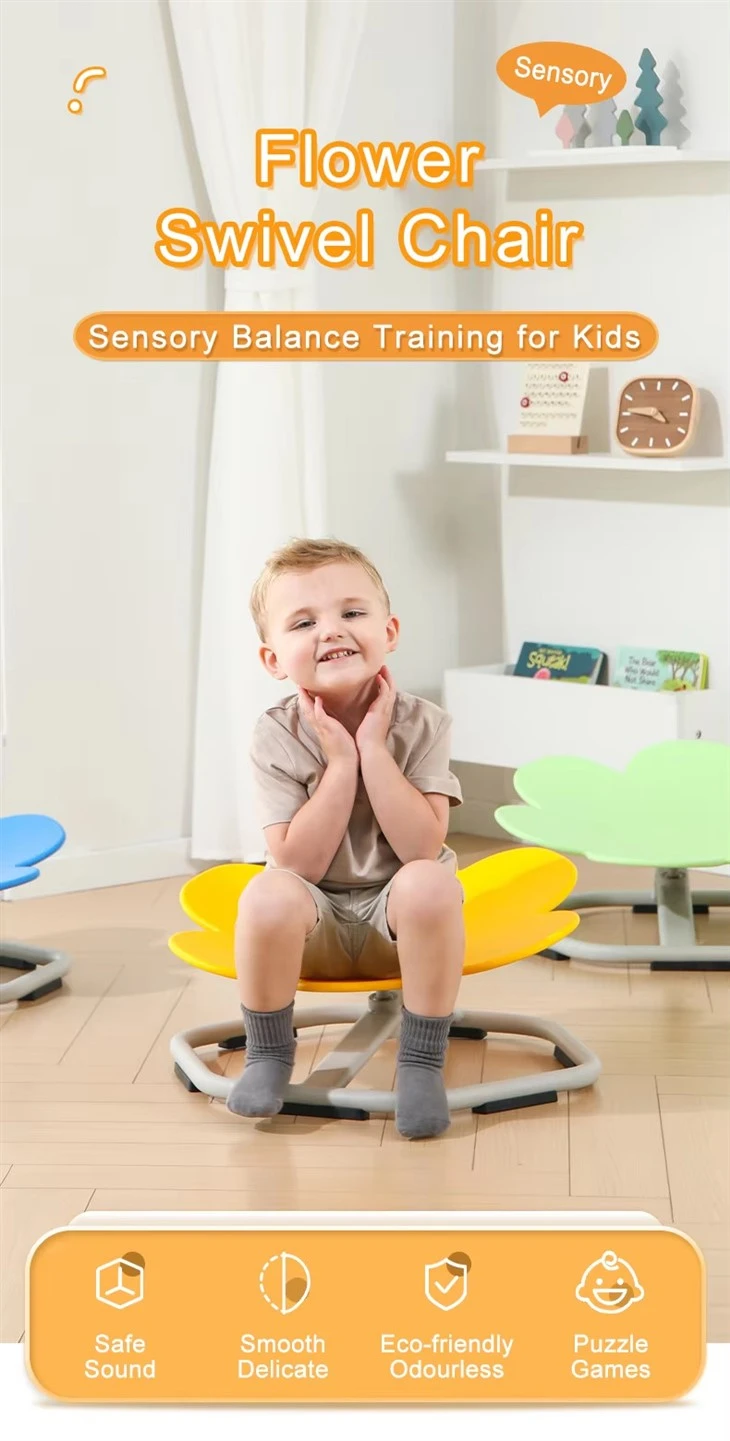
Many people, especially those with sensory processing issues, have a hard time sitting still and concentrating. Sensory chairs can help regulate their sensory systems by providing the right amount of input. For example, a Spinning Chair for Autistic Kids allows kids to spin gently, which can stimulate the vestibular system. This system is responsible for our sense of balance and spatial orientation. When the vestibular system is well - regulated, it can have a positive impact on a person's ability to focus.
2. Increased Comfort
Let's face it, sitting in an uncomfortable chair for a long time can be a major distraction. Sensory chairs are designed with comfort in mind. They often have soft padding, adjustable features, and ergonomic designs. A Kids Sensory Swivel Spinning Chair not only provides sensory input but also allows kids to adjust their position easily, which can reduce discomfort and fidgeting. When a person is comfortable, they're more likely to stay focused on the task at hand.
3. Engagement
Sensory chairs can make the learning environment more engaging. Instead of sitting in a boring, static chair, kids can interact with the chair while they're learning. For instance, a chair with built - in vibration or tactile elements can keep kids interested and involved in the focus training session. This increased engagement can lead to better concentration and improved learning outcomes.
Setting Up a Focus Training Session with Sensory Chairs
1. Choose the Right Chair
There are different types of sensory chairs available, and it's important to choose the one that suits the needs of the participants. If a child has a strong need for movement, a spinning or rocking chair might be a good choice. On the other hand, if a child is more sensitive to touch, a chair with soft, textured materials could be better. We offer a great Sensory Chair for Autism Kids that comes in various styles and features to meet different sensory needs.
2. Create a Suitable Environment
The environment where the focus training session takes place is also crucial. Make sure the room is well - lit, quiet, and free from distractions. Arrange the sensory chairs in a way that allows for easy interaction between the participants and the trainer. You can also add some visual aids or learning materials around the chairs to enhance the learning experience.
3. Incorporate Training Activities
Once the chairs are set up, it's time to plan the focus training activities. These activities can be tailored to the age and skill level of the participants. For example, you can start with simple concentration exercises like listening to a story or following a set of instructions. As the participants get more comfortable with the chairs and the training, you can gradually increase the difficulty of the activities.
Real - Life Examples
I've heard many success stories from schools and therapy centers that have incorporated sensory chairs into their focus training sessions. One school reported that after using our sensory chairs, the students' attention spans increased significantly. The kids were more engaged in the lessons and had fewer behavioral issues. Another therapy center found that the use of sensory chairs helped their clients with autism improve their social skills during group focus training sessions. The chairs provided a safe and comfortable space for the clients to interact with others while working on their focus.
Addressing Concerns
Of course, some people might have concerns about using sensory chairs in a focus training session. One common concern is that the chairs might be too distracting. However, when used correctly, sensory chairs can actually reduce distractions. By providing the right amount of sensory input, they can help participants self - regulate and stay focused.
Another concern is the cost. Sensory chairs can be more expensive than regular chairs, but when you consider the long - term benefits, such as improved focus, better learning outcomes, and reduced behavioral issues, the investment is well worth it.

Conclusion
In conclusion, sensory chairs can definitely be used in a focus training session. They offer a unique way to help people, especially those with special needs, improve their focus and attention. Whether you're a school teacher, a therapist, or a parent looking for ways to help your child, sensory chairs can be a valuable addition to your focus training toolkit.
If you're interested in learning more about our sensory chairs or would like to discuss a potential purchase for your focus training program, feel free to reach out. We're always happy to answer your questions and help you find the right chairs for your needs.
References
- Dunn, W. (2001). The sensory profile. San Antonio, TX: The Psychological Corporation.
- Ayres, A. J. (1972). Sensory integration and learning disorders. Los Angeles: Western Psychological Services.
- Koomar, J., & Bundy, A. C. (2011). Sensory integration: Theory and practice. Philadelphia: F. A. Davis.