

As a supplier of sensory chairs, I've had numerous inquiries about the practicality of using these chairs for reading. Sensory chairs are specialized seating options designed to provide various forms of sensory input, such as movement, vibration, or tactile feedback. They are often used in therapeutic settings, educational institutions, and homes to support individuals with sensory processing disorders, autism, ADHD, and other related conditions. But can they also enhance the reading experience? Let's explore this question in detail.
Understanding Sensory Chairs
Before delving into the potential benefits of using sensory chairs for reading, it's essential to understand what sensory chairs are and how they work. Sensory chairs come in a variety of designs and styles, each offering unique sensory features. Some common types of sensory chairs include:
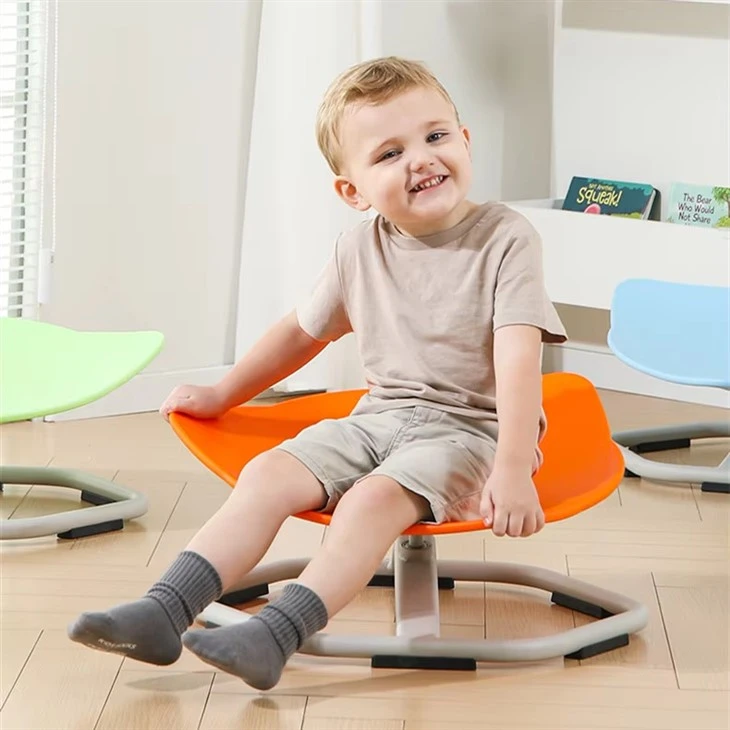
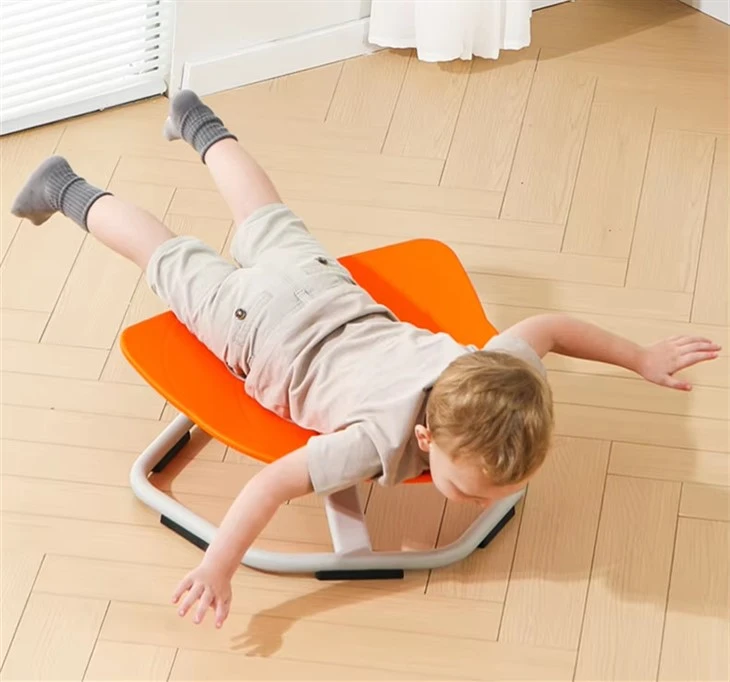
- Spinning Chairs: These chairs allow users to spin freely, providing vestibular input that can help improve balance, coordination, and spatial awareness. Sensory Spinning Chair for Kids is a popular option for children who enjoy movement and need additional sensory stimulation.
- Swivel Chairs: Similar to spinning chairs, swivel chairs allow users to rotate from side to side, providing gentle movement and vestibular input. Autism Kids Swivel Chair and Swivel Chair for Kids with Autism are specifically designed to meet the needs of children with autism and other sensory processing disorders.
- Vibrating Chairs: These chairs feature built-in vibrators that provide tactile feedback and sensory stimulation. Vibrating chairs can be particularly beneficial for individuals who have difficulty sitting still or who need additional sensory input to focus.
- Weighted Chairs: Weighted chairs are designed to provide deep pressure input, which can help calm the nervous system and reduce anxiety. These chairs are often used in therapeutic settings to support individuals with sensory processing disorders, anxiety, and other related conditions.
The Benefits of Using Sensory Chairs for Reading
Now that we have a better understanding of sensory chairs, let's explore the potential benefits of using them for reading. Here are some ways that sensory chairs can enhance the reading experience:
Improved Focus and Concentration
One of the primary benefits of using sensory chairs for reading is improved focus and concentration. Many individuals with sensory processing disorders, autism, ADHD, and other related conditions have difficulty sitting still and maintaining focus for extended periods. Sensory chairs provide continuous sensory input, such as movement or vibration, which can help keep the body and mind engaged and focused. By providing a comfortable and stimulating seating option, sensory chairs can help individuals stay focused on the task at hand and improve their reading comprehension.
Enhanced Comfort and Relaxation
Reading is a relaxing and enjoyable activity, but it can be challenging to stay comfortable for extended periods, especially if you're sitting in an uncomfortable chair. Sensory chairs are designed to provide maximum comfort and support, with features such as adjustable seating positions, padded armrests, and lumbar support. By providing a comfortable and supportive seating option, sensory chairs can help individuals relax and enjoy the reading experience.
Increased Sensory Awareness
Sensory chairs provide a variety of sensory input, such as movement, vibration, and tactile feedback, which can help increase sensory awareness and integration. By engaging multiple senses simultaneously, sensory chairs can help individuals develop a better understanding of their body and the world around them. This increased sensory awareness can also improve reading comprehension by helping individuals better understand the context and meaning of the text.
Improved Reading Skills
In addition to improving focus, concentration, comfort, and sensory awareness, sensory chairs can also help improve reading skills. By providing a comfortable and stimulating seating option, sensory chairs can help individuals stay engaged and motivated during the reading process. This increased engagement and motivation can lead to improved reading fluency, comprehension, and vocabulary development.
Considerations When Using Sensory Chairs for Reading
While sensory chairs can provide numerous benefits for reading, there are some considerations to keep in mind when using them. Here are some tips to help you get the most out of your sensory chair for reading:
Choose the Right Chair
Not all sensory chairs are created equal, and it's essential to choose the right chair for your needs. Consider factors such as the type of sensory input you need, the size and weight of the chair, and the comfort and support it provides. If you're unsure which chair is right for you, consult with a sensory therapist or occupational therapist who can help you make an informed decision.
Adjust the Chair to Your Needs
Once you've chosen the right chair, it's important to adjust it to your needs. Most sensory chairs come with adjustable features, such as seating positions, armrests, and lumbar support. By adjusting the chair to your needs, you can ensure that you're sitting in a comfortable and supportive position that allows you to focus on the task at hand.
Use the Chair in a Quiet and Comfortable Environment
To get the most out of your sensory chair for reading, it's important to use it in a quiet and comfortable environment. Choose a room that is free from distractions and has good lighting. You may also want to consider using a noise-canceling headset or playing soft music to help you relax and focus.
Start Slowly and Gradually Increase Usage
If you're new to using sensory chairs, it's important to start slowly and gradually increase your usage. Begin by using the chair for short periods of time, such as 10-15 minutes, and gradually increase the duration as you become more comfortable. This will help your body and mind adjust to the sensory input and prevent overstimulation.
Conclusion
In conclusion, sensory chairs can be a valuable tool for enhancing the reading experience. By providing continuous sensory input, improving focus and concentration, enhancing comfort and relaxation, increasing sensory awareness, and improving reading skills, sensory chairs can help individuals of all ages and abilities enjoy the benefits of reading. If you're interested in learning more about sensory chairs or would like to explore our range of products, please don't hesitate to contact us. We'd be happy to help you find the perfect sensory chair for your needs.
References
- Dunn, W. (2001). The sensory profile. San Antonio, TX: Pearson.
- Kranowitz, C. S. (2005). The out-of-sync child. New York, NY: Perigee Books.
- Miller, L. J., Anzalone, M. S., Lane, S. J., Cermak, S. A., & Osten, E. (2007). Sensory processing and self-regulation checklist. San Antonio, TX: Pearson.
- Schaaf, R. C., & Miller, L. J. (2005). Sensory integration and the child: Understanding hidden sensory challenges. New York, NY: Prentice Hall.