

Can sensory chairs be used for gaming?
In recent years, the concept of sensory chairs has gained significant attention, primarily in therapeutic and educational settings. These chairs are designed to provide sensory input, which can help individuals with various sensory processing needs, such as those with autism spectrum disorder, ADHD, or other sensory - related challenges. But a question that has emerged is whether sensory chairs can be used for gaming. As a sensory chair supplier, I'd like to delve into this topic and explore the potential of sensory chairs in the gaming world.
Understanding Sensory Chairs
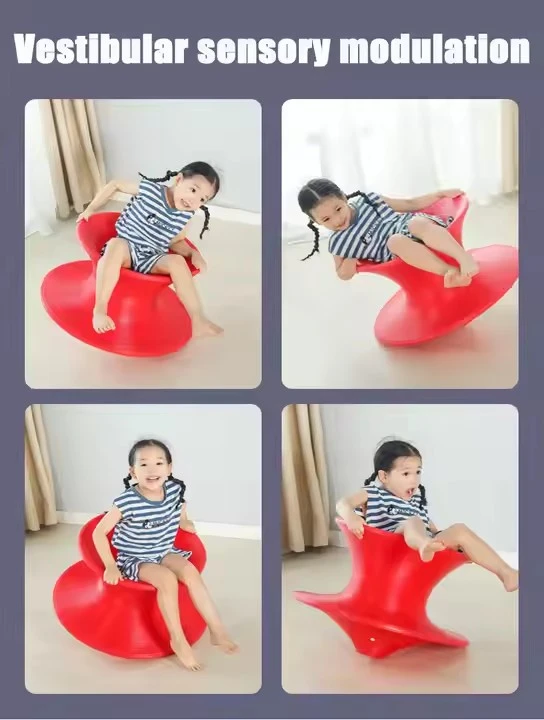
Sensory chairs come in a variety of forms and designs, each offering different types of sensory stimulation. For example, there are Swivel Chair for Kids with Autism that allow users to spin around, providing vestibular input. This type of movement can help regulate the sensory system and improve focus. The spinning motion can also mimic the feeling of being in a dynamic environment, which might be appealing in a gaming context.
Another type is the Kids Sit and Spin Toy, which combines sitting and spinning. It offers a more interactive way of receiving sensory input, as the user can control the speed and direction of the spin. This element of control can be empowering and engaging, similar to the control gamers have over their in - game characters.
The Wobble Disc for Kids is also a popular sensory tool. When placed on a regular chair, it adds an element of instability, forcing the user to engage their core muscles to maintain balance. This proprioceptive input can enhance body awareness and coordination, which are valuable skills in gaming.
Benefits of Using Sensory Chairs for Gaming
Enhanced Focus and Concentration
Gaming often requires a high level of focus and concentration. Sensory chairs can help in this regard by providing the right amount of sensory input to keep the user's mind engaged and alert. For example, the gentle movement of a swivel chair or the need to balance on a wobble disc can prevent the mind from wandering. Instead of getting distracted by internal thoughts or external stimuli, the gamer can channel their energy into the game.
Improved Physical Comfort
Long gaming sessions can be physically taxing, leading to discomfort and even pain in the back, neck, and shoulders. Sensory chairs are designed with ergonomics in mind. They can provide proper support to the body, reducing the strain on muscles and joints. For instance, a well - designed swivel chair can allow the gamer to adjust their sitting position easily, preventing stiffness and promoting blood circulation.
Enhanced Immersion
Sensory chairs can add an extra layer of immersion to the gaming experience. When a gamer is sitting on a chair that moves in sync with the game action, it can create a more realistic and engaging environment. For example, if a game involves a lot of turns and twists, a swivel chair can mimic those movements, making the gamer feel more a part of the virtual world.
Development of Motor Skills
Many games require quick reflexes and precise motor skills. The proprioceptive and vestibular input provided by sensory chairs can help improve these skills. The constant movement and balance - maintaining activities on a sensory chair can enhance hand - eye coordination, reaction time, and overall motor control. This can translate into better performance in games that demand physical dexterity.
Challenges of Using Sensory Chairs for Gaming
Compatibility with Gaming Equipment
One of the main challenges is ensuring that the sensory chair is compatible with gaming equipment. For example, some chairs may not have the right space or attachment points for gaming controllers, headsets, or other peripherals. This can make it difficult for the gamer to use their preferred setup, potentially affecting the overall gaming experience.
Noise and Disturbance
Some sensory chairs, especially those with moving parts, can produce noise. This can be a problem, especially in a shared living space or during online gaming sessions where clear communication is essential. The noise from the chair's movement may interfere with the gamer's ability to hear in - game audio or communicate with other players.
Limited Availability of Gaming - Specific Sensory Chairs
Currently, there is a limited selection of sensory chairs specifically designed for gaming. Most sensory chairs are developed for therapeutic or educational purposes, and adapting them for gaming may not always be straightforward. This lack of dedicated gaming sensory chairs means that gamers may have to compromise on certain features or functionality.
Overcoming the Challenges
Customization
To address the compatibility issue, many sensory chair suppliers, including ourselves, offer customization options. We can work with gamers to modify the chair to accommodate their specific gaming equipment. This may involve adding attachment points for controllers, creating compartments for storing accessories, or integrating audio systems directly into the chair.

Noise - Reduction Technologies
To minimize noise, we are constantly researching and implementing noise - reduction technologies. For example, we use high - quality bearings and lubricants in our swivel chairs to ensure smooth and quiet movement. Additionally, we are exploring the use of sound - absorbing materials in the construction of the chairs to further reduce any potential noise.
Collaboration with Game Developers
To increase the availability of gaming - specific sensory chairs, we believe in collaborating with game developers. By working together, we can design chairs that are fully integrated with popular games. For example, the chair's movement can be programmed to correspond with specific in - game actions, creating a seamless and immersive gaming experience.
Conclusion
In conclusion, sensory chairs have great potential for use in gaming. They offer numerous benefits, including enhanced focus, physical comfort, immersion, and the development of motor skills. While there are challenges to overcome, such as compatibility issues and noise concerns, these can be addressed through customization, the use of advanced technologies, and collaboration with game developers.
As a sensory chair supplier, we are committed to exploring the possibilities of sensory chairs in the gaming industry. We believe that by providing high - quality, innovative sensory chairs, we can enhance the gaming experience for players of all ages and skill levels.
If you are interested in learning more about our sensory chairs for gaming or would like to discuss a potential purchase, please feel free to reach out. We are eager to engage in procurement discussions and find the perfect sensory chair solution for your gaming needs.
References
- Ayres, A. J. (1972). Sensory integration and learning disorders. Western Psychological Services.
- Dunn, W. (1997). The sensory profile. American Occupational Therapy Association.
- Kientz, J. A., & Stern, H. J. (2004). Exploring the role of haptic feedback in gaming. Proceedings of the 2004 conference on Designing interactive systems: processes, practices, methods, and techniques.