

As a supplier of cloth sensory toys, I've often been asked whether these delightful playthings can be used during bath time for sensory exploration. It's a question that combines the joy of play with the practicality of bath time, and I'm excited to delve into the topic.
The Concept of Sensory Exploration
Sensory exploration is a fundamental aspect of a child's development. It involves using the senses - touch, sight, hearing, smell, and taste - to learn about the world around them. Through sensory play, children can develop fine and gross motor skills, improve cognitive function, and enhance their emotional well - being. Bath time is an ideal opportunity for sensory exploration as it engages multiple senses simultaneously. The warm water provides a tactile experience, the splashing sounds are auditory stimulation, and the visual elements of colorful bath toys add to the sensory mix.
Cloth Sensory Toys: An Overview
Cloth sensory toys are designed to provide a variety of tactile experiences. They come in different textures, such as soft velvets, rough knits, and smooth cottons. Some have attached elements like buttons, zippers, or ribbons that add to the sensory complexity. These toys are not only great for play on land but also have the potential to be used in the bath.
Advantages of Using Cloth Sensory Toys in the Bath
- Tactile Variety in Water
When cloth sensory toys get wet, their textures change. A dry, fluffy piece of fabric might become heavier and more malleable in water. This change in texture provides a new tactile experience for the child. For example, a soft, plush cloth animal can feel completely different when it's soaked, giving the child a chance to explore how materials interact with water. - Squeezing and Pouring Fun
Many cloth sensory toys can be squeezed and wrung out in the bath. This action is not only fun but also helps develop fine motor skills. Children can learn to control their hand strength as they squeeze the water out of the toys, and they can also experiment with pouring water from one toy to another. - Visual Stimulation
The colors of cloth sensory toys can be even more vibrant when wet. This visual change can be captivating for children. For instance, a brightly colored cloth tunnel like the Kids Play Tunnel Tent for Toddlers or the Colorful Pop Up Crawl Tunnel Toy can look even more appealing under the water, attracting the child's attention and encouraging exploration.
Considerations When Using Cloth Sensory Toys in the Bath
- Material Safety
It's crucial to ensure that the materials used in the cloth sensory toys are safe for use in water. The fabric should be non - toxic and able to withstand repeated exposure to water without deteriorating. Look for toys made from high - quality, washable materials that won't release harmful chemicals into the bathwater. - Drying and Hygiene
After bath time, cloth sensory toys need to be thoroughly dried to prevent the growth of mold and mildew. Hang them in a well - ventilated area or use a dryer on a low - heat setting if the toy's instructions allow. Regular washing is also necessary to keep the toys clean and hygienic. - Toy Integrity
Some cloth sensory toys may have small parts or attachments. Make sure these parts are securely fastened so that they don't come loose in the bath and pose a choking hazard. Check the toys regularly for any signs of wear and tear.
Examples of Cloth Sensory Toys for Bath Time
- Cloth Rattles
Cloth rattles are not only great for shaking and making noise on land but can also be used in the bath. The water inside the rattle can create a different sound, adding an auditory element to the bath time experience. The soft cloth exterior provides a gentle tactile sensation for the child's hands. - Cloth Animals
Soft cloth animals are a classic choice. They can float in the water, and their different body parts offer various textures to explore. A child can hug the wet animal, feel its fur, and even pretend to give it a bath. - Cloth Tunnels
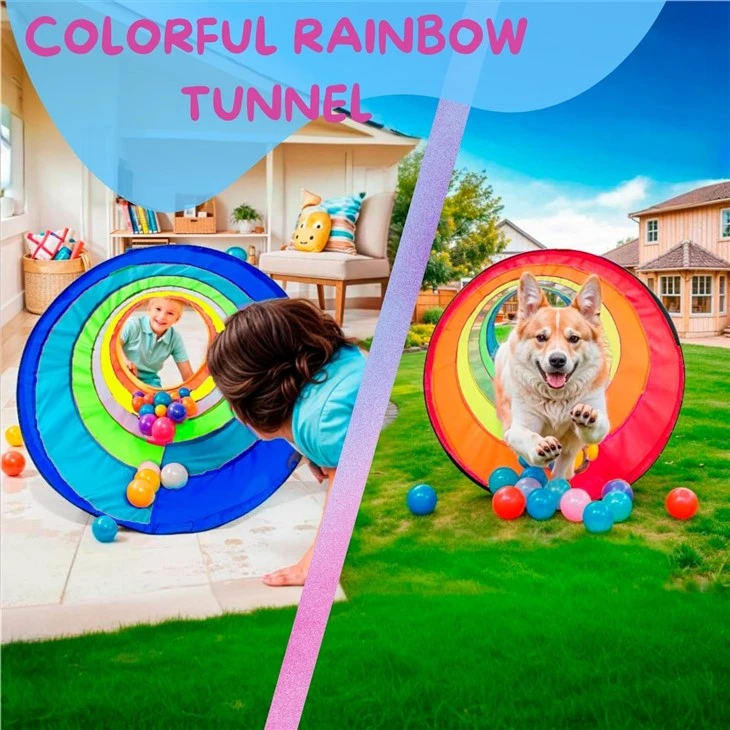
The Play Tunnel For Toddlers can be a unique addition to bath time. Although it might be a bit large for a regular bathtub, it can still provide a fun sensory experience. The child can feel the wet fabric as they "crawl" through it in the water, and the enclosed space can create a sense of adventure.
Encouraging Sensory Exploration with Cloth Sensory Toys in the Bath
- Storytelling
Create a story around the cloth sensory toys in the bath. For example, if you have a cloth pirate ship, you can tell a story about a pirate adventure on the high seas (the bathtub). This not only adds an imaginative element to the bath time but also encourages the child to interact with the toys in a more meaningful way. - Sensory Challenges
Set up sensory challenges for the child. For instance, ask them to find the softest part of the wet cloth toy or to describe how the toy feels different when it's wet. This helps the child focus on the sensory details and enhances their observation skills. - Group Play
If there are multiple children in the bath, encourage them to share and play with the cloth sensory toys together. They can compare how the toys feel to each other and learn from each other's experiences.
Conclusion
In conclusion, cloth sensory toys can indeed be used for sensory exploration in the bath. They offer a unique combination of tactile, visual, and auditory experiences that can enhance a child's bath time. However, it's important to take proper precautions regarding material safety, drying, and toy integrity. As a supplier of cloth sensory toys, I'm committed to providing high - quality products that are suitable for both land and water play.

If you're interested in incorporating these wonderful cloth sensory toys into your child's bath time or are a retailer looking to stock our products, I invite you to reach out for procurement and negotiation. We can discuss the best options for your needs and ensure that you get the most out of our cloth sensory toy range.
References
- Berk, L. E. (2018). Infants, Children, and Adolescents. Pearson.
- Fisher, K. W., & Bidell, T. R. (2006). Dynamic development of action, thought, and emotion. In W. Damon & R. M. Lerner (Eds.), Handbook of Child Psychology: Theoretical Models of Human Development (6th ed., Vol. 1, pp. 313 - 399). Wiley.